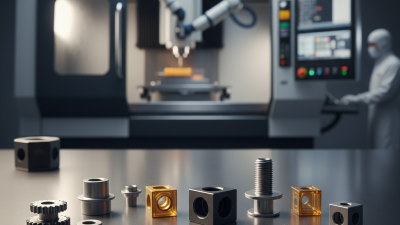
What is a Prototype Machine Shop and How Does It Work?
A prototype machine shop is a specialized facility that transforms ideas into tangible products. It plays a crucial role in product development, enabling engineers and designers to test their concepts. In a prototype machine shop, various tools and technologies work together to create prototypes swiftly and efficiently.
The process often involves skilled technicians who understand materials and manufacturing techniques. They use advanced machinery, such as CNC machines and 3D printers, to produce precise components. However, not all prototypes come out perfect. Sometimes, design flaws or material choices lead to unexpected results. This process of trial and error is essential for refining ideas and improving the final product.
Successful prototype machine shops emphasize collaboration and feedback. They invite input from all stakeholders, ensuring that the prototypes serve their intended purpose. Through iteration and adjustment, these shops transform concepts into reliable products, bridging the gap between imagination and reality.
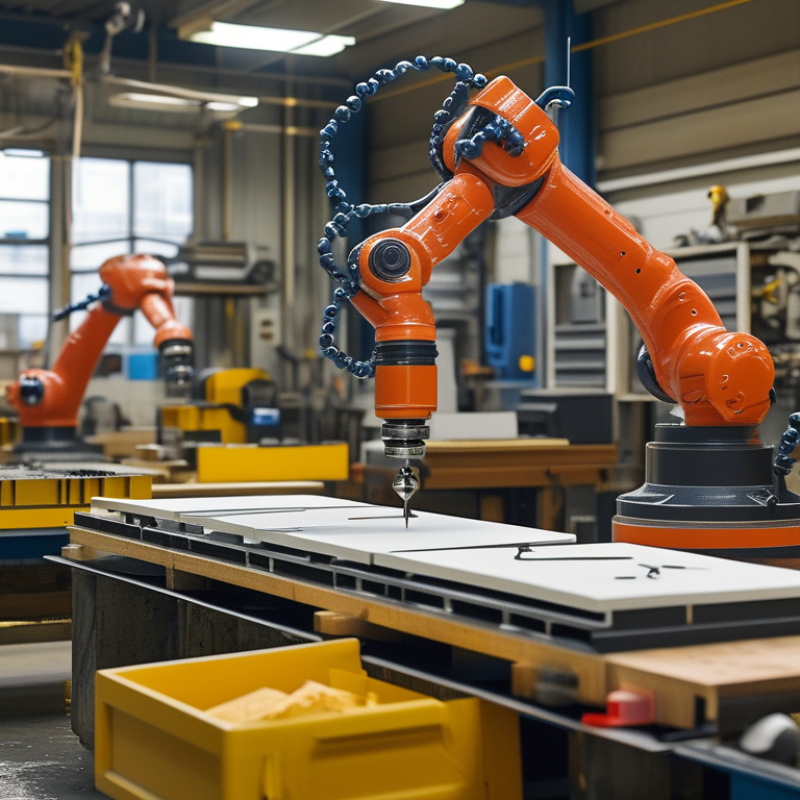
What is a Prototype Machine Shop?
A prototype machine shop is a specialized facility focused on producing prototypes for various products. These shops use advanced machinery and skilled labor to create precise models from materials like metal, plastic, and composites. According to a report by the National Center for Advanced Technologies, prototype development can reduce production costs by an average of 30%. It enables businesses to test concepts, ensuring functionality and design before mass production begins.
The workflow in a prototype machine shop typically involves design, manufacturing, and testing phases. Designers leverage CAD software to create detailed specifications. After that, CNC machines or 3D printers manufacture the prototypes quickly and accurately. Industry surveys have shown that 70% of engineers prefer rapid prototyping methods due to their efficiency. However, not all designs translate perfectly into prototypes. Some misalignments occur, prompting teams to iterate on their designs.
Tips:
- Communicate openly with engineers about your expectations and potential limitations.
- This communication can lead to faster adjustments.
- Regular reviews during the prototyping phase can also identify issues early on, minimizing delays.
It's essential to embrace the learning process inherent in prototyping, as every prototype can unveil new insights.
Key Services Offered by Prototype Machine Shops
Prototype machine shops play a crucial role in product development. They offer various services that enable companies to transform concepts into tangible products. These services include precision machining, rapid prototyping, and custom fabrication. According to industry reports, the global prototyping services market is expected to grow significantly. It projects a growth rate of approximately 20% annually, reflecting the increasing demand for high-quality prototypes.
Precision machining is often at the core of these shops. This process involves cutting, shaping, and finishing materials to create parts that meet exact specifications. Many shops utilize CNC (Computer Numerical Control) machines for this purpose. This technology allows for higher accuracy, reducing human error. The importance of accurate prototypes cannot be overstated, as even minor deviations can affect product performance.
Rapid prototyping is another essential service. It allows companies to create models swiftly using 3D printing or other methods. This can shorten the product development cycle dramatically. According to a report by a leading engineering firm, 75% of companies believe that rapid prototyping significantly enhances their innovation capabilities. However, this process can sometimes yield prototypes that require extensive rework. Each iteration provides a learning experience, emphasizing the need for continuous improvement in design and production methods.
The Process of Creating Prototypes in Machine Shops
Creating prototypes in machine shops involves a meticulous and structured process. Professionals start with detailed designs, often leveraging CAD software. These designs serve as blueprints for the prototype. Accuracy here is crucial; any small error can impact functionality. Skilled machinists use various tools to bring these designs to life, carefully shaping materials to reflect the intended specifications.
Once the initial prototype is crafted, it undergoes rigorous testing. This stage helps identify any flaws or areas for improvement. Feedback is vital. Sometimes, the prototype doesn’t perform as expected. Adjustments are made based on testing results. This iterative process can be frustrating but is essential for refining the final product. Each revision brings the design closer to the desired outcome, highlighting the importance of perseverance in prototyping. In the end, the journey from concept to tangible prototype can reveal unexpected challenges. Each setback offers valuable lessons, ensuring that the final product meets the highest standards.
Tools and Technologies Used in Prototype Machine Shops
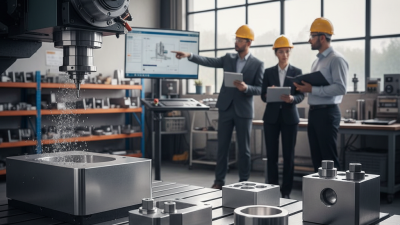
Prototype machine shops play a crucial role in product development. They utilize advanced tools and technologies to create prototype parts quickly. These shops often focus on precision and speed, which are essential for testing concepts before mass production.
Key tools in prototype machine shops include CNC machines, 3D printers, and laser cutters. CNC machines enable precise cutting and shaping of materials. A report from the International Journal of Advanced Manufacturing Technology states that CNC technology can improve production speed by up to 50%. 3D printing allows for rapid prototyping, reducing lead times significantly. This technology supports complex designs that traditional methods cannot easily achieve.
One tip for success in a prototype shop is to invest in versatile equipment. Versatile machines can adapt to multiple projects, saving time and resources. Another important consideration is to maintain a skilled workforce. A report from the National Institute of Standards and Technology highlights that training employees can lead to a 30% increase in productivity. Balancing new technologies and skilled labor is vital for effective prototype development.
In the ever-evolving landscape of prototype manufacturing, staying updated on the latest technologies is essential. Continuous learning can mitigate the risk of outdated practices. As tools advance, regular training sessions for staff ensure that the shop remains competitive and efficient.
Prototype Machine Shop Tools and Technologies Usage
Benefits of Using a Prototype Machine Shop for Product Development
A prototype machine shop plays a crucial role in product development. These specialized facilities offer focused services to create prototypes. According to industry data, nearly 70% of companies that utilize prototype machine shops see faster product development cycles. This accelerated timeline means bringing products to market more efficiently.
Using a prototype machine shop brings several benefits. First, it allows for rapid iteration. Engineers can quickly test and revise designs, which minimizes costly mistakes down the line. A report from the Association for Manufacturing Technology states that companies that embrace rapid prototyping reduce product failures by 30%. This is a significant advantage for businesses in competitive industries.
Tips: When selecting a prototype machine shop, consider their experience and expertise in your field. Communication is essential. Ensure they understand your design goals clearly. Additionally, be prepared to engage in feedback loops. Iterative feedback can lead to better outcomes. Continuous improvement is key in product development, so don’t shy away from revisiting and refining your designs. Embrace the learning curve—it can yield significant insights.
What is a Prototype Machine Shop and How Does It Work? - Benefits of Using a Prototype Machine Shop for Product Development
| Feature |
Description |
Benefits |
Applications |
| Rapid Prototyping |
The quick fabrication of a model using 3D printing and CAD technologies. |
Faster time to market and the ability to test designs quickly. |
Consumer electronics, automotive, and medical devices. |
| CNC Machining |
Computer Numerical Control machining processes that create precise components. |
High accuracy and decreased human error in manufacturing. |
Aerospace, industrial, and custom tooling. |
| Material Selection |
Choice of materials based on strength, weight, and cost for prototypes. |
Optimized performance and cost control. |
Prototyping in various industries from consumer goods to machinery. |
| Design Iteration |
Refining the product design based on testing and feedback. |
Enhanced product quality and reduced risk of failure. |
Any product requiring functional testing before mass production. |
| Cost-effectiveness |
Minimizing costs associated with production while validating concepts. |
Lower initial investments and the potential for higher returns. |
Startups and small businesses innovating market solutions. |