What is Small Part Machining and Why is it Important?
Small part machining is a vital process in modern manufacturing. It involves precision fabrication of small components used in various applications. These parts are essential in industries such as aerospace, automotive, and electronics. Each component often requires intricate designs and high accuracy. As devices become smaller, the importance of small part machining grows.
Precision is not the only factor. Quality control and material selection play significant roles. Not all machining techniques are suitable. Selecting the right method can make or break a project. For example, CNC machining excels in producing high volumes of small parts accurately. However, challenges arise in achieving this level of precision consistently.
The significance of small part machining also extends to innovation. Engineers push boundaries to create complex shapes. This evolution requires constant improvement in techniques and technologies. Mistakes in small part machining can lead to costly repercussions. Companies must invest in training and reliable machinery to enhance their capabilities.
Definition of Small Part Machining and Its Key Characteristics
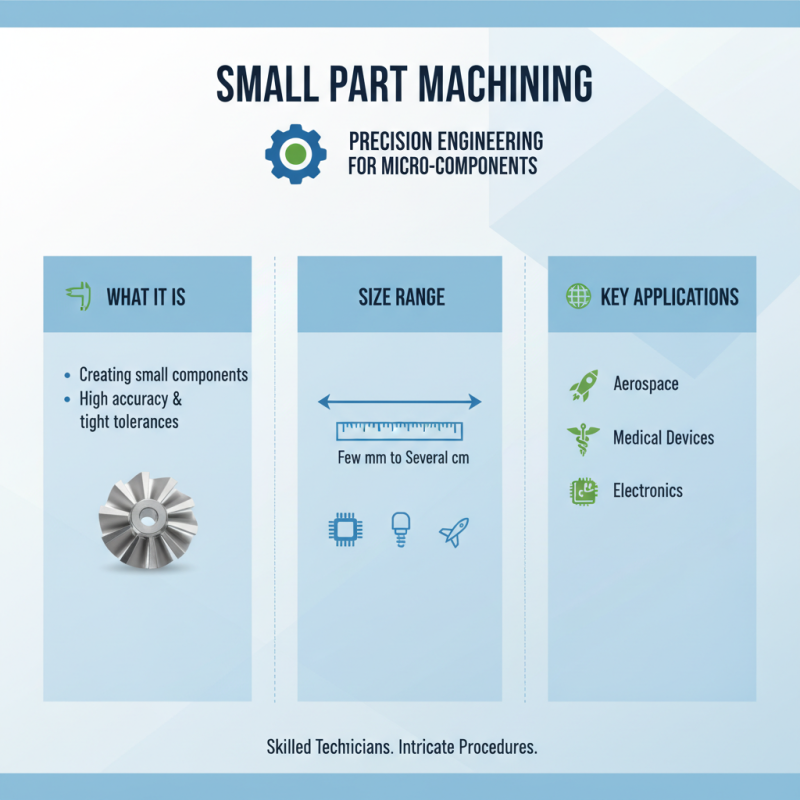
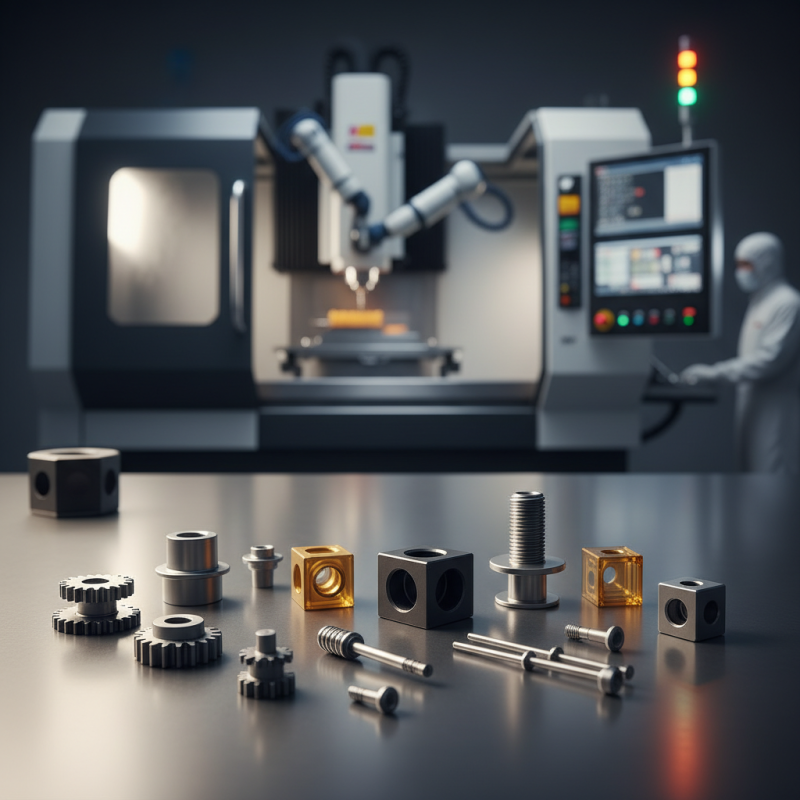
Small part machining refers to the precision process of creating small components used in various industries. These components often require high accuracy and tight tolerances. The size of these parts can range from a few millimeters to several centimeters. Applications include aerospace, medical devices, and electronics. Skilled technicians handle the intricate procedures involved.
Key characteristics of small part machining include the use of advanced tools and techniques. CNC (Computer Numerical Control) machines are commonly employed for consistent results. Operators must be adept at selecting the right materials. Each material reacts differently during machining. Monitoring temperature and pressure during the process is crucial for quality.
Challenges often arise in small part machining. The components can be delicate, making them susceptible to damage. Ensuring precision while avoiding mistakes is essential. Continuous learning and adaptation in techniques help enhance the quality and efficiency of production. It is an evolving field, requiring constant improvement and innovation.
The Process of Small Part Machining: Techniques and Methods
Small part machining involves creating precise components critical for various industries. Techniques in small part machining demand high attention to detail. Methods like CNC machining and laser cutting are frequently employed. These processes ensure accuracy and repeatability.
CNC machining is particularly noteworthy. It utilizes computer-controlled tools to produce small parts with intricate designs. This allows for consistency across production runs. However, one challenge is the potential for machine wear, which can affect precision over time. Regular maintenance is essential to mitigate this issue.
Another common method is wire EDM, or electrical discharge machining. This technique excels in creating complex shapes and tight tolerances. While effective, it can be costly and slow for larger batches. Understanding the strengths and limitations of each method is key to selecting the right one. Proper knowledge can help in minimizing errors and enhancing efficiency in small part manufacturing.
Applications of Small Part Machining Across Various Industries
Small part machining plays a crucial role across various industries. This process involves creating intricate components with high precision. Applications span from aerospace to electronics. In the aerospace sector, components like brackets and fittings must meet strict tolerances. These small parts ensure the safety and functionality of aircraft. Precision is non-negotiable in this field, making small part machining essential.
In the medical industry, small parts are vital. Devices like implants and surgical instruments require exact specifications. A slight deviation could compromise patient safety. The automotive sector also relies on small part machining. Engine components, sensors, and fasteners all benefit from this precise manufacturing method. Each part must fit perfectly to ensure vehicle performance and safety.
The manufacturing of small parts often involves complex designs. Innovations in technology have led to advanced machining techniques. However, challenges remain. Issues such as tool wear and material consistency need attention. Continuous improvement is necessary. By addressing these concerns, industries can enhance reliability. This can further underscore the importance of small part machining in their operations.
Benefits of Small Part Machining for Precision Manufacturing
Small part machining is a vital process in precision manufacturing. This method produces intricate components with tight tolerances. These small parts are used in various industries, such as aerospace, automotive, and medical devices. Their accuracy ensures optimal performance and reliability in critical applications.
One of the key benefits of small part machining is enhanced precision. Using advanced machinery allows for meticulous control over dimensions. This leads to higher quality products with fewer defects. Manufacturers can meet stringent specifications and adapt to complex designs. Yet, achieving this precision is challenging. It requires skilled operators who understand the intricacies of the machining process.
Tips for success in small part machining include regularly calibrating machines and tooling. This helps maintain accuracy over time. Utilizing the right materials also plays a significant role. Specific materials can improve wear resistance and overall performance. Another suggestion is to conduct thorough inspections during production. This proactive approach identifies issues early, reducing waste and time.
Ultimately, small part machining represents innovation. It embraces precision and efficiency while posing unique challenges. Manufacturers must continue to refine their techniques. Adapting to new technologies can lead to improved outcomes. Investing in training for staff can also make a significant difference.
Future Trends and Innovations in Small Part Machining Technology
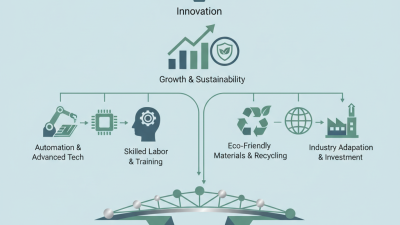
Small part machining is evolving rapidly. The future will see advancements in precision, speed, and efficiency. Innovative technologies are now emerging to meet the growing demands of industries like aerospace and medical devices. Automation and AI are key players in this transformation. They help optimize processes and reduce human error.
New materials are also being explored. Lightweight composites and advanced alloys can enhance product performance. Techniques like additive manufacturing are gaining ground. They allow for complex geometries that traditional methods struggle to achieve. However, challenges remain. Integrating these technologies requires skilled labor and training. Furthermore, the cost of innovation can be prohibitive for some smaller firms.
Sustainability is becoming a priority. Companies are looking for ways to minimize waste and energy consumption. Recycling metal parts is one approach. The adaptation of green practices is essential to meet future regulatory standards. As the industry shifts towards these trends, collaboration among engineers, designers, and manufacturers is crucial. Sharing knowledge can foster innovation and improve outcomes in small part machining.
Importance and Trends in Small Part Machining Technology