Top 10 Tips for Sourcing CNC Machining Parts Efficiently?
Sourcing CNC machining parts can be a complex process. Efficiency is key to optimizing production while reducing costs. Many manufacturers strive for this balance. They may overlook essential factors that impact quality and delivery time.
Understanding the intricacies of CNC machining is vital. This ensures that you select the right materials and techniques. Poor choices can lead to delays and increased expenses. Collaborating with experienced suppliers can alleviate many challenges. Their knowledge can guide you through potential pitfalls.
Effective sourcing is not only about finding the lowest price. It requires a comprehensive view of capabilities and reliability. Developing strong relationships with vendors often pays off. Trust built over time leads to better cooperation. This is essential for long-term success in obtaining CNC machining parts.
Understanding CNC Machining: Key Processes and Technologies Involved
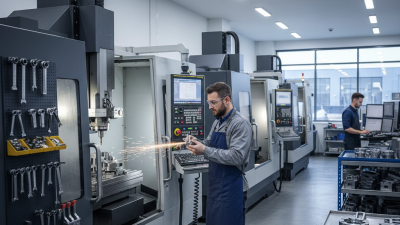
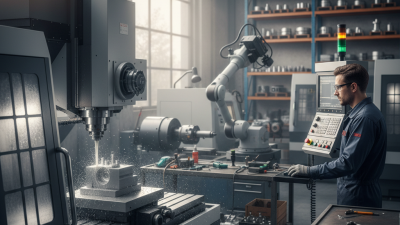
CNC machining is a vital process in manufacturing. It uses computer-controlled machines to produce parts with precision. Key technologies include milling, turning, and electrical discharge machining (EDM). Each method offers unique advantages based on the specific application and material used.
Milling involves removing material from a workpiece using rotating tools. It is versatile and ideal for complex shapes. Turning, on the other hand, is used for parts with rotational symmetry, where the cutting tool moves along the length of the material. EDM is particularly useful for hard materials and intricate geometries, providing a high level of detail.
While CNC machining is efficient, challenges can arise. Setting up the machine can be time-consuming. Mistakes during programming may lead to waste. Additionally, the choice of material affects the outcome. Understanding these processes and their limitations is crucial for successful sourcing of CNC machined parts. Engaging with experts in this field can help navigate these complexities effectively.
Evaluating Material Selection: Cost, Durability, and Availability Factors
When evaluating material selection for CNC machining parts, consider three core factors: cost, durability, and availability. A report from the National Institute of Standards and Technology highlights that material costs can vary significantly between metals, plastics, and composites. For instance, aluminum tends to be less expensive than titanium, which affects overall manufacturing budgets.
Durability is crucial. Materials like carbon steel offer high strength and resistance to wear. However, they may corrode over time. In contrast, stainless steel provides excellent corrosion resistance but can be pricier. According to industry data, about 40% of production delays result from material shortages. Sourcing locally can mitigate this issue. Some materials still face scarcity, especially during supply chain disruptions.
Availability also influences project timelines. A study showed that 25% of manufacturers faced long lead times due to limited stock. Using alternative materials can reduce downtime. Some engineers prefer to balance performance with cost. Yet, it's vital to assess the trade-offs. Making informed decisions requires understanding the implications of each material choice.
Optimizing Supplier Relationships: Essential Metrics for Performance Evaluation
Building strong supplier relationships in CNC machining requires careful monitoring of essential performance metrics. Start by evaluating lead times. Consistent delays can disrupt production schedules and increase costs. Communicate openly about expectations. Doing so can help identify issues early, ensuring smoother operations.
Next, focus on quality metrics. Track defect rates and conduct regular assessments. Poor quality can result in rework and wasted materials. Encourage suppliers to adopt quality improvement practices. This proactive approach fosters a culture of excellence, benefiting both parties.
Pricing is important but should not be the sole metric. Analyze cost trends alongside other factors. Sometimes, lower prices correlate with higher risks, such as quality issues. Develop a comprehensive scorecard to capture these metrics. Adjust and refine it based on feedback. Remember, relationships need regular nurturing; without attention, they can weaken over time.
Implementing Quality Control Measures: Standards and Certifications Explained
Quality control is vital in CNC machining parts sourcing. Certifications like ISO 9001 demonstrate a company’s commitment to quality. According to the International Organization for Standardization, ISO 9001 is recognized in over 160 countries. This global standard ensures consistent quality management practices. Companies with this certification often report 20% fewer defects.
Implementing quality control measures can be challenging. For instance, not all suppliers meet stringent ISO requirements. A 2021 report indicated that 30% of manufacturers faced issues with non-compliant suppliers. Regular audits and inspections are necessary. These processes ensure suppliers maintain the required standards.
Furthermore, using metrics like KPIs can aid in monitoring quality. Key Performance Indicators allow for objective assessments of supplier performance. A study found that establishing clear KPIs resulted in a 25% increase in product quality. In the fast-paced CNC industry, any lapse in these measures can lead to significant delays and increased costs.
Leveraging Technology: Software Tools for Streamlined Sourcing and Production
In the world of CNC machining, leveraging technology is key. Advanced software tools can streamline sourcing and production processes. For instance, modern CAD applications allow designers to create precise parts quickly. This reduces the time spent on revisions and adjustments. Efficient software can also manage material inventory. By minimizing waste, companies save money and resources.
However, this technology isn't flawless. Some tools require extensive training, potentially slowing initial productivity. Not all platforms integrate seamlessly, leading to communication gaps. Companies might find it challenging to choose the right software due to overwhelming options. It's crucial to evaluate tools based on the specific needs of the machining project.
Real-time tracking and data analysis provided by these tools can enhance decision-making. Understanding which materials perform best under certain conditions is vital. Nevertheless, reliance on software without human oversight can lead to errors. Balancing technology with experienced oversight ensures quality and efficiency in CNC machining.
Top 10 Tips for Sourcing CNC Machining Parts Efficiently
| Tip Number |
Tip Description |
Technology Used |
Benefits |
| 1 |
Utilize CAD Software for Design |
Computer-Aided Design (CAD) |
Improves design accuracy and efficiency |
| 2 |
Implement ERP Systems for Integration |
Enterprise Resource Planning (ERP) |
Streamlines operations and enhances productivity |
| 3 |
Use Online Sourcing Platforms |
B2B Marketplaces |
Access to a wider range of suppliers |
| 4 |
Leverage 3D Printing for Prototypes |
Additive Manufacturing |
Reduces time and costs for small batch production |
| 5 |
Automate Inventory Management |
Inventory Software |
Enhances stock control and minimizes waste |
| 6 |
Adopt Real-time Communication Tools |
Collaboration Software |
Improves team collaboration and decision-making |
| 7 |
Use Quality Management Systems |
Quality Assurance Software |
Ensures product quality and compliance |
| 8 |
Implement Machine Learning for Analytics |
Predictive Analytics Tools |
Enhances forecasting and resource allocation |
| 9 |
Engage in Supplier Performance Metrics |
Supplier Relationship Management Software |
Improves supplier quality and reliability |
| 10 |
Embrace Cloud Solutions for Scalability |
Cloud Computing Services |
Enhances flexibility and access to resources |