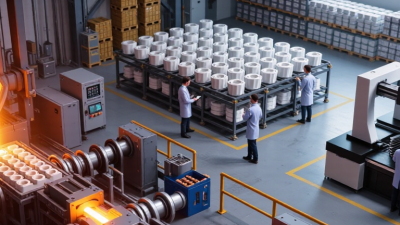
Stainless steel appears in settings where durability and cleanliness matter, from food-processing lines to building façades. Behind these products are stainless steel fabricators that turn coils, plates, and tubes into precise components. Their work may involve laser cutting, bending, welding, polishing, and careful finishing. A small flaw can matter. A rough seam may trap residue, while uneven panels can complicate installation.
So, who are the top stainless steel fabricators worldwide? There is no single answer for every buyer. A company suited to producing large storage tanks may not be the right partner for custom architectural panels or high-volume machinery parts. This guide considers practical measures, including engineering experience, material traceability, quality systems, production capacity, finishing options, and delivery support. Certifications can provide useful evidence, but they do not tell the whole story. Ask how a supplier handles drawings, samples, inspection records, and changes during production. Details count.
Company size and reputation also deserve a closer look. A polished website is not proof of consistent workmanship, and rankings can change with project needs, location, and available capacity. Buyers should compare documented capabilities with their own specifications, then request relevant project examples. Even then, some uncertainty remains. The best choice is usually the fabricator that can explain its process clearly, show how it checks critical dimensions, and raise practical concerns before production begins.
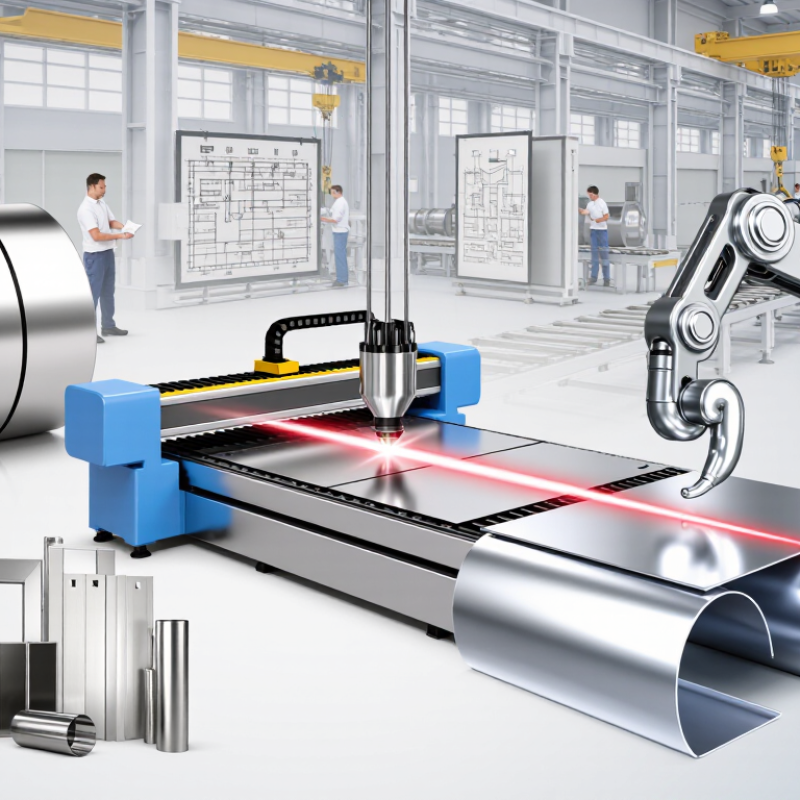
Stainless steel fabrication turns flat sheets, plates, or sections into parts used in kitchens, buildings, medical settings, and industrial equipment. The work may include measuring, cutting, bending, welding, grinding, and finishing. Each step affects fit and durability. A small error near a bend can shift holes or leave an assembly out of alignment. The material resists corrosion, but it is not immune to damage.
Tips: Confirm the steel grade and thickness before cutting. Keep stainless tools separate from carbon-steel tools; stray particles can later cause surface rust. Protect finished faces with clean coverings, and check dimensions after forming. Simple checks catch costly rework.
Welding requires control of heat and cleanliness. Excess heat can distort thin panels or discolor the surface, while poor joint preparation may weaken a seam. After fabrication, cleaning and suitable finishing help restore a consistent appearance. Some parts also need passivation, depending on the grade, process, and intended environment. A shiny surface is not proof of sound workmanship. Inspect welds, edges, and critical dimensions, and record results when traceability matters. Even skilled teams can miss a detail, so clear drawings and a final fit check remain essential.
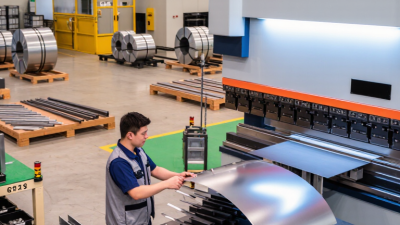
Evaluating a stainless steel fabricator takes more than comparing shop size or quoted price. Buyers should examine welding procedures, inspection records, material traceability, dimensional control, and the team’s experience with similar assemblies. Can the fabricator show how it checks a weld seam or verifies a sheet’s grade? Specific evidence matters more than polished promises.
The International Stainless Steel Forum’s Stainless Steel in Figures 2024 reports global stainless steel melt shop production of 58.4 million tonnes in 2023, up 4.6% from 2022. The World Steel Association reported 1,892.2 million tonnes of crude steel production that year. These figures describe a vast, varied supply chain—not the capability of any individual workshop. That distinction matters.
A useful assessment also compares lead-time reliability, equipment capacity, quality-system documentation, safety practices, and references for projects of similar complexity. Ask how scrap, rework, and deviations are recorded; request sample inspection plans, not just certificates. Not every shop excels. A large production line may struggle with intricate, low-volume work, while a smaller team may lack surge capacity. No single score captures every trade-off, and even a careful shortlist can miss problems that only appear during production.
This is an evaluation framework, not a ranked list of companies. The suggested weights are illustrative and should be adjusted to the project’s industry, location, and technical requirements.
| Evaluation Dimension | Suggested Weight | What to Assess | Evidence to Request |
|---|---|---|---|
| Technical capability and fabrication range | 20% | Ability to perform the required cutting, forming, welding, machining, assembly, and finishing operations for the specified product and tolerances. | Equipment and process lists, technical limits, sample drawings, inspection plans, and examples of comparable work. |
| Quality management and traceability | 18% | Documented quality controls, material identification, inspection procedures, nonconformance handling, and traceability from incoming material to delivery. | Current quality-system certificates where applicable, quality manuals, sample material records, inspection reports, and corrective-action procedures. |
| Welding and process qualifications | 15% | Qualified welding procedures and personnel appropriate to the required stainless-steel grades, thicknesses, joint designs, and applicable codes. | Relevant procedure and welder qualification records, welding process details, and non-destructive testing arrangements when specified. |
| Materials expertise and corrosion control | 12% | Experience selecting and handling stainless-steel grades, preventing cross-contamination, and providing suitable surface finishes and post-fabrication treatments. | Material certificates, grade-control procedures, segregation practices, finish specifications, and pickling or passivation records when required. |
| Regulatory and industry compliance | 10% | Ability to meet the codes, product rules, and regulatory requirements that apply to the particular project and destination market. | Relevant approvals or certifications, code-specific documentation, audit records, and a clear statement of which requirements are within scope. |
| Delivery performance and project management | 10% | Planning, communication, change control, supplier coordination, and ability to manage the required schedule and delivery milestones. | Project plans, schedule reporting methods, delivery-performance data, escalation procedures, and references for comparable projects. |
| Capacity and supply-chain resilience | 7% | Available production capacity, equipment availability, workforce coverage, and ability to manage material sourcing and schedule disruptions. | Capacity information, production planning approach, critical-supplier controls, contingency plans, and relevant lead-time assumptions. |
| Health, safety, and environmental practices | 5% | Management of workplace hazards, training, incident reporting, waste, energy use, and environmental obligations relevant to fabrication operations. | Health-and-safety procedures, training records, incident metrics, environmental controls, and current certifications where applicable. |
| Commercial reliability and service | 3% | Quotation clarity, contract discipline, warranty terms, after-delivery support, and the financial and operational stability needed for the project. | Itemized quotations, warranty and service terms, contract exceptions, customer-support process, and appropriate financial references. |
| Total | 100% | Compare qualified fabricators against the same project-specific requirements and verify claims with documents, audits, or references. | |
Regional expertise often follows local demand. East Asia has a deep stainless steel supply base, serving construction, transport, food processing, and heavy industry. The International Stainless Steel Forum reported 58.4 million tonnes of global stainless steel melt-shop production in 2023. China accounted for about 36.7 million tonnes. These figures describe steel production, not fabrication capacity, so they cannot rank individual workshops. Still, the region’s scale supports extensive cutting, forming, and welding services.
Europe is known for demanding process industries and precision engineering. Fabricators there commonly handle hygienic tanks, architectural panels, and complex pipework.
North American shops often serve energy, water treatment, and food equipment projects, where documentation and traceability matter.
In South Asia and Southeast Asia, infrastructure growth is expanding demand for tanks, vessels, and building components.
Capabilities vary sharply between countries and even between nearby shops. A regional label only tells part of the story.
Tips: Ask for material certificates, welding procedure records, and examples of comparable work. Check how the fabricator controls heat distortion on thin sheet. A polished sample helps, but it does not prove consistent production quality. That detail is easy to miss. ISSF’s regional production data is useful context, not a substitute for auditing a supplier’s equipment, inspection process, and delivery record.
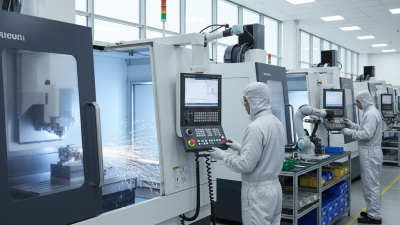
Leading stainless steel fabricators combine skilled workmanship with reliable process control. Their capabilities often include laser cutting, CNC forming, robotic welding, and precision machining. These tools help produce repeatable parts, from thin instrument panels to large process tanks. But equipment alone does not prove quality. Look for documented material traceability, weld inspection, and dimensional checks that match the project’s needs.
Fabrication technologies serve many demanding industries. Food and beverage plants need smooth, cleanable surfaces and carefully finished welds. Pharmaceutical facilities often require tight tolerances and controlled fabrication records. Energy, marine, and architectural projects may prioritize corrosion resistance, strength, or a consistent visible finish. Each application calls for different alloy choices and fabrication methods. Even experienced shops can miss details, so clear drawings and early technical reviews matter.
Tips: Ask how material grades are verified and how welds are inspected. Request a sample inspection report or a relevant project example. Check that finishing requirements are written down, not just discussed. A mirror-like surface is not always better; the right finish depends on use, cleaning, and exposure. No process is perfect. Clear acceptance criteria help catch problems before delivery.
Who Are the Top Stainless Steel Fabricators Worldwide?
How to Compare Fabricators for a Project
A strong comparison starts with the part, not the sales pitch. Share the same drawings, alloy grade, finish requirements, and tolerances with every candidate. Ask how they control heat distortion during welding and protect finished surfaces from scratches. Details matter. A mirror finish can look excellent in a sample, yet show uneven color across a large panel. Request a sample made with the intended process, plus inspection records for similar work. Check whether the fabricator can explain material traceability and document dimensional checks.
Capacity matters, but so does fit. Compare equipment, staffing, production space, and experience with your part’s size and complexity. Ask who reviews drawings, handles changes, and reports schedule risks. Get a written breakdown of tooling, finishing, packaging, and freight; a low quote may leave these costs unclear. Ask for references from projects with comparable requirements, not simply the largest jobs. It is easy to overvalue a polished presentation. I would also notice how carefully a team raises concerns about a drawing: that small friction may prevent a costly mismatch later. A missed detail still happens. Look for evidence of a repeatable quality process, and agree on acceptance criteria before production begins.
You are using an outdated browser. Things may not appear as intended. We recommend updating your browser to the latest version.
Close