Top Trends in Plastic Part Manufacturing for 2026 Insights?
The landscape of plastic part manufacturing is rapidly evolving. As we approach 2026, innovative technologies and sustainable practices are shaping the industry. According to Dr. Emily Chen, a leading expert in the field, “The future of plastic part manufacturing lies in our ability to balance efficiency with sustainability.” This insight highlights the critical challenges manufacturers face today.
In recent years, advancements in automation have transformed plastic part manufacturing. Enhanced machinery reduces production time. Yet, there's a growing need for eco-friendly materials as consumer demand shifts. Many manufacturers are still grappling with the complexity of integrating these innovations while maintaining cost efficiency. The industry must find a path that respects both profitability and environmental responsibility.
Developing smart manufacturing solutions is essential for success. Industry leaders like Dr. Chen advocate for continuous learning and adaptation. However, not all companies are equipped to embrace this change. Issues like skill gaps and outdated practices can hinder progress. As we look ahead, the journey in plastic part manufacturing is filled with both challenges and opportunities for growth and reflection.
Emerging Technologies Shaping Plastic Part Manufacturing in 2026
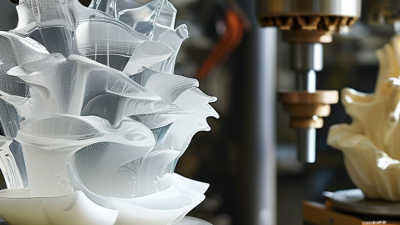
The landscape of plastic part manufacturing is evolving rapidly. By 2026, emerging technologies will significantly impact production processes. According to a report from the Society of Plastics Engineers, additive manufacturing will grow by 30% annually, enhancing customization and reducing waste. This shift allows for intricate designs that were previously unachievable with traditional methods.
In addition, automation and AI integration will streamline operations. A McKinsey study highlights that factories adopting smart technologies can increase productivity by up to 25%. IoT devices will provide real-time monitoring, enabling quicker responses to production issues. However, businesses must invest in training and adapt their workforce to leverage these advancements fully.
Sustainability remains a critical focus. The Plastics Industry Association reports that nearly 50% of companies will prioritize sustainable materials by 2026. While this is a step in the right direction, there are still challenges in sourcing and recycling. Companies must confront these obstacles to meet growing consumer expectations for responsible manufacturing.
Sustainability Practices in Plastic Manufacturing: Trends and Innovations
Sustainability is becoming a crucial focus in plastic part manufacturing. In 2026, innovative practices will dominate the industry. Companies are increasingly adopting bio-based materials. These materials reduce reliance on fossil fuels. They also minimize carbon footprints. However, sourcing these materials can be challenging. Not all suppliers meet rigorous environmental standards.
Recycling is another area of growth. Advanced technologies are enabling better plastic recycling methods. Manufacturers are exploring closed-loop systems. These systems allow plastic waste to be reused effectively. While progress is evident, contamination remains a significant hurdle. Not every plastic type is recyclable, complicating efforts. The industry must address these challenges for true sustainability.
Another trend involves reducing energy consumption during production. Energy-efficient machinery can make a difference. Many manufacturers are investing in greener technologies. But transitioning to these advanced systems can require time and resources. Furthermore, training staff on new procedures is essential. Overcoming these issues will pave the way for a more sustainable future in plastic manufacturing.
The Role of Automation and Robotics in Future Plastic Production
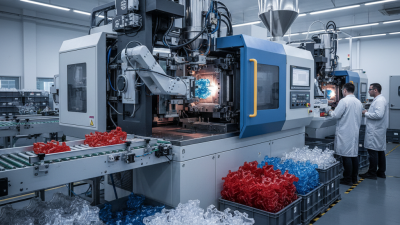
In 2026, automation and robotics are set to reshape plastic part manufacturing significantly. Industry reports indicate that the integration of robotic systems can increase production rates by up to 30%. These advancements help manufacturers meet the rising demand for precision and efficiency. Robotics brings consistency, reducing waste and ensuring quality in every batch.
Automated systems also allow for 24/7 operation. This continuous production capability can address labor shortages faced by the industry. Despite these benefits, implementing such technologies requires a cultural shift within organizations. Workers may feel threatened by automation, raising concerns about job security. Addressing these concerns is crucial for a successful transition.
It’s essential for companies to invest in training. Employees who understand the technology will feel more secure. They can work alongside robotic systems, enhancing productivity. Developing a culture of collaboration between humans and machines will be vital.
The future of plastic production will blend human expertise with robotic precision. Organizations must navigate the challenges while embracing innovation. Balancing technology with a empathetic workforce approach is key for sustainable growth.
Top Trends in Plastic Part Manufacturing for 2026 Insights
| Trend |
Description |
Impact on Manufacturing |
Expected Adoption Rate |
| Increased Automation |
Integration of advanced automation technologies for enhanced efficiency. |
Reduces production time and labor costs. |
80% |
| Robotics Utilization |
Deployment of collaborative robots for precision tasks. |
Enhances product quality and consistency. |
75% |
| Sustainability Focus |
Adoption of biodegradable and recycled materials. |
Meets regulatory demands and consumer preferences. |
70% |
| Advanced Materials |
Utilization of high-performance thermoplastics and composites. |
Improves durability and applications range. |
65% |
| Smart Manufacturing |
Incorporation of IoT for real-time monitoring and data analytics. |
Optimizes operations and predictive maintenance. |
85% |
Market Demand Shifts: Adapting Plastic Manufacturing for New Applications
Shifts in market demand are pushing the plastic manufacturing industry to adapt swiftly. According to a report from MarketsandMarkets, the global plastic market is expected to reach $1 trillion by 2026, driven by increased applications in automotive, healthcare, and electronics. In response, manufacturers are investing in innovative materials like bio-based plastics and recycled content to cater to sustainability preferences.
New applications are emerging across various sectors. For example, lightweight materials are gaining traction in automotive engineering, significantly contributing to fuel efficiency. A recent analysis revealed a 30% weight reduction in vehicles using advanced plastics, aligning with regulatory pressure on emissions. This trend underscores the need for manufacturers to pivot towards specialized production methods that meet these evolving requirements.
Understanding the nuances of material properties becomes crucial. Manufacturers must engage in ongoing education to keep pace with technology advancements. Experimentation with new composites and techniques can yield promising results. As demands change, companies must be ready to reassess their practices frequently. Adopting a flexible supply chain will facilitate quicker responses to market trends. Embracing these strategies is vital for achieving a competitive edge in the evolving landscape of plastic manufacturing.
Regulatory Changes Impacting Plastic Manufacturing Trends for 2026
Regulatory changes are reshaping plastic part manufacturing dramatically. By 2026, it is projected that over 60% of manufacturers will need to comply with stricter environmental standards. The Global Plastic Alliance anticipates that governments will enforce these regulations to mitigate plastic waste. Such changes are pushing companies towards more sustainable practices and materials.
The increase in reusable and biodegradable materials is notable. According to recent industry reports, the market for biodegradable plastics is expected to grow by 15% annually. This shift is driven by consumer demand and regulatory pressures. Manufacturers are investing in research to develop alternatives. However, these innovations sometimes come with challenges. Adopting new materials can lead to increased production costs and technical difficulties.
Additionally, the focus on circular economies is gaining traction. Companies are assessing their end-of-life strategies for plastic products. Many are implementing recycling initiatives to meet growing public concerns. Yet, there remains uncertainty regarding the actual effectiveness of these programs. Industry experts highlight the need for clearer guidelines to ensure better compliance and transparency. Addressing these regulatory hurdles is essential for maintaining competitiveness in the evolving landscape of plastic part manufacturing.