Top China Plastic Molding Suppliers for Your Global Needs?
In the world of manufacturing, plastic molding stands as a critical process. It enables companies to create precise and complex parts for various industries. This technique has elevated efficiency and cost-effectiveness significantly. With climate challenges and sustainability concerns, choosing the right suppliers is crucial.
China has become a major player in plastic molding. Its factories offer advanced technologies and competitive pricing. However, navigating this landscape can be challenging. Quality and reliability vary among suppliers. Therefore, understanding which companies lead the market is essential.
While many suppliers promise high-quality products, not all deliver. Research and clear communication are key. Clients should consider factors such as production capacity, expertise, and customer service. By focusing on these elements, businesses can make informed decisions and find trustworthy partners for their plastic molding needs.
Overview of China's Plastic Molding Industry and Its Global Impact
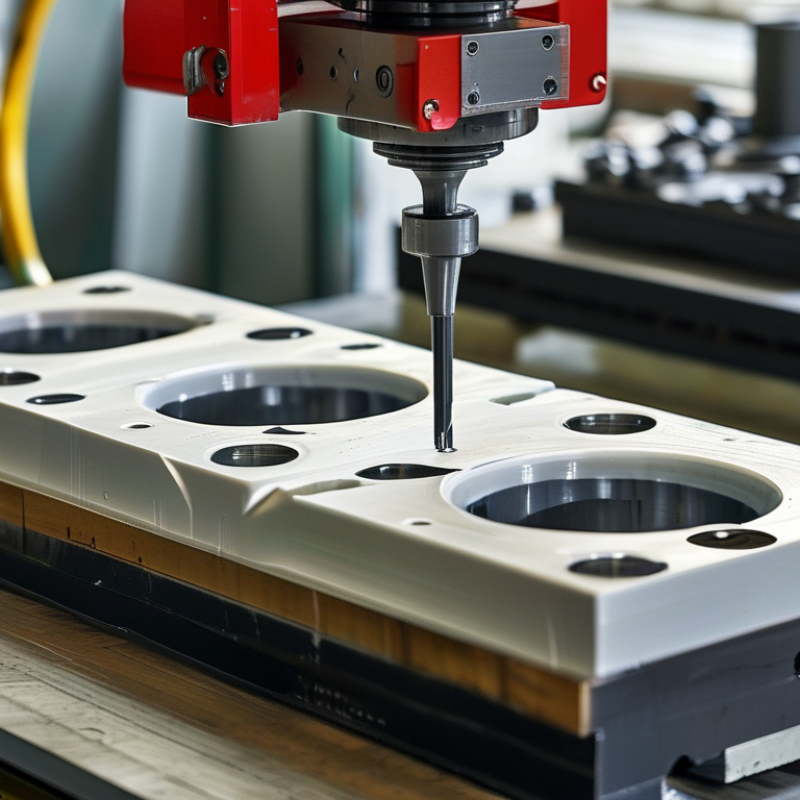
China's plastic molding industry has become a global powerhouse. With cutting-edge technology, it plays a crucial role in various sectors. Industries rely on plastic molds for efficiency and cost-effectiveness. The ability to produce intricate designs has transformed product development. Manufacturing processes in China emphasize precision and speed. This has attracted international clients seeking reliable suppliers.
However, challenges persist. The rapid pace of production can lead to inconsistencies in quality. Companies must find a balance between speed and reliability. Environmental concerns also loom large. The industry faces pressure to adopt greener practices. Innovations in sustainable materials are emerging. Some suppliers are beginning to invest in eco-friendly solutions, but the transition is slow. This highlights the need for ongoing improvement in both practices and products.
The global impact of China’s plastic molding is profound. Many companies turn to Chinese suppliers to reduce costs and enhance capabilities. Yet, dependence on one region raises risks. Diversification is essential for long-term success. Businesses should assess their suppliers regularly. Staying informed about industry trends is vital for making smart decisions. A nuanced approach will lead to better outcomes for all involved.
Key Features to Consider When Selecting Plastic Molding Suppliers
When selecting plastic molding suppliers, several key features should be taken into account. Experience in the industry plays a crucial role. Suppliers with a solid track record often have extensive knowledge of various molding techniques, such as injection molding and blow molding. According to industry reports, companies with over ten years in the business demonstrate higher reliability, producing more consistent products.
Quality assurance is another critical aspect. Certifications like ISO 9001 indicate a supplier's commitment to maintaining high standards. The ability to conduct rigorous testing, including stress tests and material analysis, aligns with industry preferences. Research indicates that 75% of manufacturers prioritize suppliers who can offer comprehensive quality assurance processes. Furthermore, suppliers must be responsive to evolving customer needs. Flexibility in design changes can significantly impact production timelines and overall project success.
Competitiveness on pricing is essential but should not compromise quality. A solid price-performance ratio often signals a reliable supplier. However, be cautious of bids that seem too low, as they might hint at inadequate quality control. A thoughtful evaluation of these features can lead to better supplier relationships, fostering long-term partnerships that benefit both parties.
Top Suppliers in China: Profiles and Capabilities
When exploring suppliers in the Chinese plastic molding industry, evaluating their profiles and capabilities is crucial. Top suppliers typically offer advanced technologies to enhance production efficiency. Many integrate automation and use high-quality materials, ensuring durability and precision in their products. They often have diverse capabilities, including injection molding, blow molding, and custom design services.
However, not all suppliers meet the same standards. It's essential to consider their experience and track record. Some manufacturers may lack the necessary certifications or fail to deliver on time. Potential clients should seek feedback from previous customers. Conducting thorough research can reveal whether a supplier is truly reliable.
Another key aspect is communication. Suppliers with strong language skills and a responsive attitude tend to foster better partnerships. Yet, misunderstandings still occur. Cultural differences can lead to unexpected challenges. Engaging with suppliers who prioritize transparency can mitigate these issues. Finding the right fit requires careful assessment and a willingness to learn from past mistakes.
Evaluating Quality Standards and Certifications in Plastic Molding
When it comes to plastic molding, quality standards and certifications play a crucial role. These ensure that products meet safety and performance expectations. In China, numerous suppliers adhere to various international certifications, including ISO. This shows their commitment to quality management systems. Such certifications are indicative of their operational excellence and reliability.
However, not all suppliers meet the same standards. Some may claim certification without rigorous verification. This discrepancy can lead to significant issues in product quality. Buyers must conduct thorough research before choosing a supplier. Visits to manufacturing facilities can provide insights into their processes. It’s essential to assess not only the certifications but also the experience and expertise of the teams behind them.
Quality control measures should be a priority for any manufacturer. Continuous improvement efforts are vital to maintaining compliance. Suppliers often face challenges in keeping up with evolving standards. A proactive approach in addressing these challenges is necessary for long-term success. Engaging in open communication with suppliers can reveal their commitment to staying current with industry practices.
Top China Plastic Molding Suppliers for Your Global Needs
| Supplier Location |
Quality Certification |
Production Capacity (units/month) |
Lead Time (days) |
Specialization |
| Shenzhen |
ISO 9001 |
100,000 |
15 |
Automotive Parts |
| Dongguan |
ISO 13485 |
80,000 |
20 |
Medical Devices |
| Suqian |
IATF 16949 |
120,000 |
30 |
Consumer Electronics |
| Hangzhou |
ISO 9001, ISO 17025 |
60,000 |
25 |
Home Appliances |
| Ningbo |
ISO 9001 |
150,000 |
10 |
Industrial Parts |
Future Trends in Plastic Molding and Supplier Relationships in China
The landscape of plastic molding in China is changing rapidly. As sustainability becomes paramount, suppliers are adapting their practices. Many are exploring eco-friendly materials and processes. This shift is not just for profit; it reflects growing consumer demand for greener products. Yet, not all suppliers have transitioned smoothly. Some face challenges in balancing cost with environmental responsibility.
Technology plays a crucial role in these changes. Advances in automation and 3D printing are streamlining production. Suppliers can now create more customized solutions. However, implementation can be inconsistent among different manufacturers. This inconsistency can lead to quality control issues. Buyers must stay vigilant when selecting partners.
Building strong relationships with suppliers is essential in this evolving market. Trust and communication foster collaboration on new projects. Yet, the challenge remains. Not every supplier is willing to innovate. Companies need to identify partners who prioritize progress and reliability. This quest for alignment can sometimes feel overwhelming. Nonetheless, it’s a worthwhile investment for long-term success.