Top 10 Precision CNC Machining Suppliers in China 2026?
The landscape of precision CNC machining in China is evolving rapidly. Industry experts, such as Dr. Alex Chen, emphasize the significance of innovation in this field. He asserts, “Precision CNC machining revolutionizes manufacturing efficiency and quality.”
China stands as a global leader in precision CNC machining. With advanced technology and skilled labor, many suppliers excel in this competitive market. Each company has its unique strengths and specialties. However, not all suppliers adhere to the same standards. Some may compromise on quality or reliability, which can lead to serious implications for businesses relying on precision machining.
Navigating this complex industry requires a keen understanding of both market dynamics and supplier capabilities. Buyers must assess various factors, from technological expertise to customer service. Making informed choices is crucial for success in precision CNC machining. The right partner can elevate a project, while the wrong one can hinder progress.
Overview of Precision CNC Machining in China
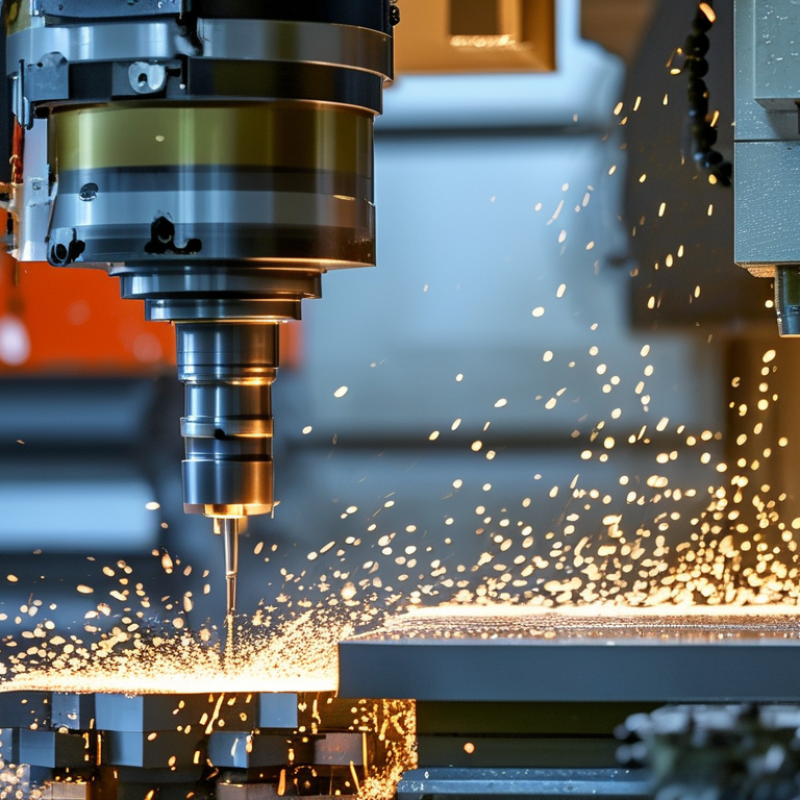
Precision CNC machining in China is a dynamic and rapidly growing industry. As of 2023, it generates approximately $40 billion in revenue. The growth rate is projected at around 7% per year. This surge is driven by increased demand for high-quality components in various sectors, including aerospace, automotive, and medical devices. Despite the growth, challenges remain, such as rising labor costs and supply chain disruptions.
Chinese manufacturers have made significant advancements in technology and expertise. Many firms now employ advanced machining processes and tools. However, quality control often varies among suppliers. Statistics show that approximately 30% of CNC machined parts may not meet strict specifications during initial inspections. This inconsistency could lead to project delays and increased costs for businesses relying on these components.
Investing in training and technology is crucial for maintaining competitiveness in this sector. While some companies have embraced automation, others lag behind. This gap presents an opportunity for improvement. Adopting best practices and industry standards can enhance product reliability. Additionally, suppliers committed to transparency can build stronger relationships with clients. Continuous innovation is the key to thriving in the competitive landscape of precision CNC machining in China.
Top 10 Precision CNC Machining Suppliers in China 2026
| Rank |
Supplier Type |
Main Services |
Industry Focus |
Annual Revenue (Est.) |
Certifications |
| 1 |
Precision Machining |
CNC Milling, Turning |
Aerospace |
$30M |
ISO 9001 |
| 2 |
Contract Manufacturer |
CNC Machining, Assembly |
Electronics |
$25M |
ISO 13485 |
| 3 |
Machinery Supplier |
Custom Parts, Prototyping |
Automotive |
$18M |
TS 16949 |
| 4 |
OEM Supplier |
CNC Turning, Milling |
Medical Devices |
$22M |
FDA Approved |
| 5 |
Prototype Manufacturer |
Rapid Prototyping |
Consumer Products |
$15M |
CE Certified |
| 6 |
Tooling Supplier |
Custom Tooling |
Aerospace, Automotive |
$28M |
ISO 9001, AS9100 |
| 7 |
CNC Workshop |
Plastic Machining |
Electronics, Medical |
$10M |
ISO 9001 |
| 8 |
High-Precision Manufacturer |
Ultra-Precision Machining |
Robotics |
$24M |
ISO 9001, IATF 16949 |
| 9 |
Engineering Services |
Design and Prototyping |
Industrial Equipment |
$12M |
ISO 9001 |
| 10 |
Small Batch Supplier |
Small Part Manufacturing |
Consumer Electronics |
$8M |
CE Certified |
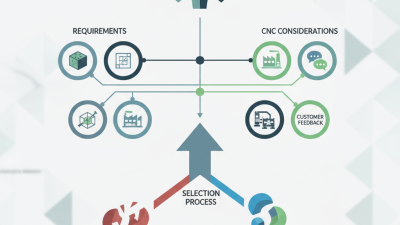
Key Factors for Selecting a CNC Machining Supplier
When selecting a CNC machining supplier, several key factors must be considered. First, a supplier’s experience is vital. Data from the Precision Machined Products Association shows that companies with over ten years in the industry deliver higher-quality components. Their knowledge of materials and processes can mitigate risks during production. Look for suppliers that demonstrate their expertise through case studies and customer testimonials.
Quality assurance practices are equally important. Suppliers should adhere to international standards like ISO 9001. Reports indicate that suppliers with certified quality management systems have a lower defect rate by up to 30%. Additionally, suppliers should utilize advanced technologies such as CNC programming and automated inspection tools. This ensures precise dimensions and reduces waste in production.
Transparency in communication is another critical aspect. Effective suppliers provide clear timelines and are responsive to inquiries. This can highlight their commitment to customer service. Many suppliers fail in this area, leading to project delays and misunderstandings. Good communication fosters trust and long-lasting relationships, essential for intricate machining projects.
Top 10 Precision CNC Machining Suppliers in 2026
In the competitive landscape of precision CNC machining, identifying leading suppliers is crucial for businesses. As we look ahead to 2026, several factors will shape these suppliers' success. Companies are increasingly integrating advanced technologies.
Automation, AI, and real-time data analytics are essential for enhancing efficiency. These innovations can reduce waste and improve precision. Suppliers embracing these tools will likely gain a competitive edge.
However, challenges remain. Not all suppliers can keep pace with the rapid changes in technology. Some may struggle to adapt their operations, leading to inconsistencies in quality. Sourcing high-quality materials is another concern. The supply chain disruptions seen in previous years still linger. These factors may force suppliers to reflect on their strategies, making continuous improvement a necessity.
Transparency and reliability will also play a significant role. Buyers are becoming more discerning. They seek suppliers who demonstrate credibility and a commitment to quality. Long-term partnerships will thrive based on trust. As companies prepare for 2026, staying informed about industry trends and potential obstacles will be key. It’s not just about who supplies the best products; it’s also about building solid relationships and adapting to change.
Innovation and Technological Advances in CNC Machining
Innovation is driving change in the CNC machining industry. Technological advancements are reshaping how components are manufactured. For instance, additive manufacturing, often viewed as a complementary technology, is gaining traction. According to a recent report by Mordor Intelligence, the CNC machining market is anticipated to reach approximately USD 88 billion by 2026. This growth highlights the significance of integrating traditional methods with modern innovations.
New software solutions aimed at enhancing precision and efficiency are emerging. These systems allow for real-time monitoring and adjustments during the machining process. A study by MarketsandMarkets indicated that the adoption of CNC machining, combined with Industry 4.0 technologies, could improve production efficiency by up to 30%. However, challenges exist. Many operators struggle with the steep learning curve associated with these technologies, which can hinder full implementation.
Moreover, sustainable practices are becoming crucial. The push for green machining processes is on the rise. Data from the International Journal of Advanced Manufacturing Technology suggests that incorporating eco-friendly materials can lead to a 25% decrease in waste. Companies must adapt or risk obsolescence. Balancing innovation and practicality is essential for sustainable growth in CNC machining.
Future Trends in China's CNC Machining Industry
The CNC machining industry in China is evolving rapidly. As we approach 2026, several trends are shaping its future. The push for automation is gaining momentum. Manufacturers are adopting smart technologies to improve precision and reduce costs. This shift reflects a broader trend in manufacturing worldwide. However, not all companies can keep pace with these changes.
Sustainability is also becoming crucial. Firms are exploring eco-friendly materials and processes. This shift is driven by both regulatory pressure and market demand. Companies must balance profitability with environmental responsibility. Many organizations are still figuring out how to implement sustainable practices effectively.
Another area of focus is workforce development. Skilled labor shortages present a significant challenge. While technology can boost productivity, human expertise remains essential. Finding the right balance between automation and human skills is vital. Firms must invest in training and development to support their workforce. This is an ongoing struggle that requires long-term commitment. The future of CNC machining in China will depend on how well companies adapt to these changes.