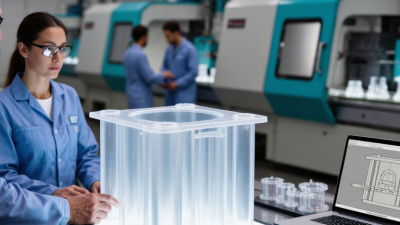
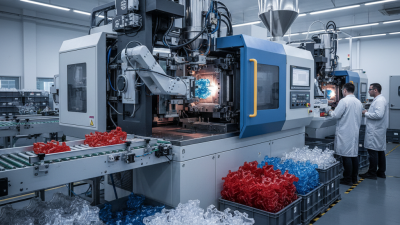
Choosing a reliable plastic molding manufacturer can shape a product’s cost, quality, and launch schedule. For global buyers, the decision involves more than comparing factory prices. It requires checking technical capability, communication, production controls, and evidence of consistent performance. This guide introduces China’s top 10 plastic molding manufacturers through a practical buyer-focused lens.
Each company should be evaluated against clear details. These include injection molding capacity, material experience, tooling support, quality inspection, and delivery coordination. Buyers may also review certifications, sample approval procedures, export experience, and traceability records. A well-organized factory should explain mold ownership, tolerance control, packaging methods, and after-sales responsibilities without vague promises. Details matter. Fit comes first.
The selection process is not perfectly simple. A manufacturer with advanced equipment may not suit a small custom order. Another supplier may offer strong engineering support but require longer production planning. Factory information can also change as equipment, management, and markets develop. No ranking is flawless. Therefore, this article treats the list as a starting point, not a final purchasing decision. Readers should request current quotations, inspect samples, confirm compliance requirements, and discuss realistic timelines before signing an agreement. Practical experience shows that clear drawings, stable communication, and written quality standards prevent many avoidable disputes. A factory visit or independent audit can provide further confidence when project value is high. The best partner is not always the largest one. It is often the manufacturer that understands the product, identifies risks early, and delivers repeatable results.
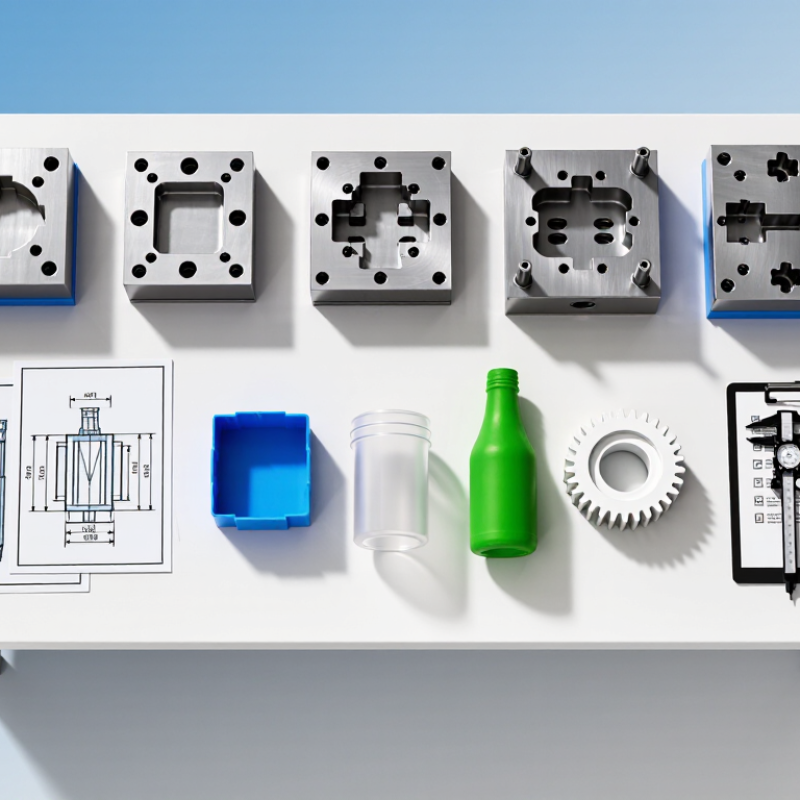
China’s plastic molding industry covers automotive parts, medical housings, electronics enclosures, packaging, and industrial components. Its strength lies in broad production capacity, skilled tooling teams, and flexible order volumes. Global buyers can source prototypes, medium batches, or high-volume parts through the same supply network.
Injection molding remains the main process for precise thermoplastic components. Engineers select resin by strength, temperature resistance, appearance, and intended use. Mold design considers draft angles, wall thickness, gate position, and cooling channels. A poorly balanced cooling system can leave sink marks or cause warpage. Small details matter.
Blow molding creates bottles and hollow containers, while compression molding suits selected thermoset parts and composite materials. Extrusion produces continuous profiles, sheets, and tubes. Experienced manufacturers normally provide material certificates, dimensional reports, trial samples, and process records. Buyers should also review mold ownership, maintenance plans, inspection methods, and production traceability. A low quotation may hide weak tooling steel or limited quality control.
I have found that clear drawings prevent more problems than urgent factory messages. Still, no supplier is perfect. Design changes, color variation, and shrinkage require honest discussion before mass production. Test the first articles carefully. Never rely on appearance alone.
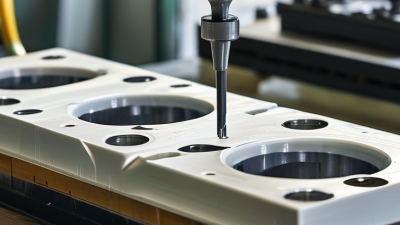
Global buyers should evaluate more than factory size or online rankings. Request a clear company profile, production history, and references from similar industries. A reliable manufacturer should explain its molding process, material choices, and quality controls in practical terms. Ask for machine tonnage, mold capacity, tolerance ranges, and expected cycle times. Vague answers deserve attention.
Review samples under real conditions. Measure wall thickness, part weight, surface finish, and assembly fit. If possible, send a controlled drawing and request a dimensional inspection report. Check whether the factory uses calibrated gauges and keeps inspection records. Visit the production floor, or arrange a live video audit. Look for organized material storage, labeled resin batches, preventive maintenance logs, and clean packing areas. A polished showroom can mislead.
Compliance also matters. Confirm whether materials meet the regulations required in your target market. Request relevant test reports, traceability documents, and written procedures for handling design changes. Discuss tooling ownership, repair responsibility, lead times, payment stages, and remedies for defective parts. These details often reveal more than a sales presentation.
No checklist is perfect. A small pilot order may still fail if communication is weak. Ask how the team handles a warped part, a late mold trial, or an unexpected color variation. Their response should include evidence, not confidence alone. Clear drawings, documented approvals, and regular progress updates reduce avoidable risk.
China’s leading plastic molding manufacturers serve different production needs. One focuses on automotive parts, using reinforced polymers and dimensional inspection for clips, housings, and interior panels. Another specializes in medical components, with controlled workshops, traceable materials, and strict sample approval. A third supports consumer electronics, producing thin-wall shells with polished surfaces and tight assembly tolerances.
A high-volume household goods manufacturer handles storage boxes, handles, and appliance parts through automated injection lines. A packaging specialist develops caps, closures, and containers, where cycle time and sealing performance matter. One experienced supplier combines metal inserts with molded plastic for connectors and structural components. Another offers two-shot molding, useful when soft grips and rigid bodies must be formed together.
Large-part molding is the strength of another manufacturer, especially for equipment covers and industrial enclosures. A prototype-focused factory uses CNC machining and 3D printing before committing to production tooling. The tenth profile represents a turnkey export supplier, managing mold design, molding, secondary finishing, inspection, and shipment documents.
Details matter. Buyers should request material certificates, dimensional reports, mold-flow analysis, and recent production samples. A polished website is not proof of capability. Factory visits, video audits, and small pilot orders reveal more. Even experienced teams can underestimate cooling time, warpage, or packaging damage. That weakness deserves open discussion. Reliable cooperation grows when manufacturers explain limitations instead of promising every result. Supplier comparisons should include communication speed, tooling ownership, maintenance plans, and realistic lead times. Cost alone can hide expensive revisions later.
Capability coverage across the ten profiled Chinese plastic molding manufacturers. The figures show how many manufacturers in the selection provide each molding or tooling capability.
Injection molding is the most widely represented capability, while mold making, overmolding, insert molding, two-shot molding, and compression molding indicate the range of solutions available to international buyers.
Comparing Manufacturer Capabilities, Certifications, and Export Services
Selecting a plastic molding partner requires more than reviewing machine lists. Experienced buyers inspect process control, mold maintenance, and production records. A capable factory should explain its injection machines, material ranges, tolerance limits, and inspection equipment clearly. It should also provide trial samples before mass production. Small details matter. For example, documented drying temperatures can prevent bubbles, warping, and weak parts.
Certifications help measure reliability, but certificates alone prove little. ISO 9001 indicates a structured quality system, while ISO 14001 reflects environmental management practices. Automotive projects may require IATF 16949. Products entering regulated markets can also need material declarations supporting RoHS or REACH requirements. Buyers should verify certificate numbers, issuing bodies, and validity dates. Some suppliers present impressive documents but offer weak shop-floor discipline. That gap deserves attention.
Export capability affects total cost and delivery risk. Reliable manufacturers should support commercial invoices, packing lists, customs documents, and accurate HS code information. They should discuss Incoterms, pallet strength, moisture protection, and spare-part packaging before shipment. Clear communication in English helps, especially when specifications change across time zones. Ask for production photographs, inspection reports, and a realistic lead-time schedule. Factory audits remain valuable, although remote reviews can miss important issues. Even experienced teams sometimes underestimate port delays or mold repair time. A practical supplier acknowledges these risks and proposes measurable controls.
China Top 10 Plastic Molding Manufacturers for Global Buyers
How to Qualify and Manage a Chinese Molding Partner
China remains a major sourcing base as global plastics production reached 400.3 million tonnes in 2022, according to Plastics Europe’s Plastics—The Fast Facts 2023. Large capacity, however, does not guarantee stable molding quality. Audit the factory before comparing unit prices. Check its machine list, clamping range, resin handling, mold maintenance area, and inspection equipment. Ask for recent process capability data, not selected showroom samples. Evidence beats promises.
Request a controlled trial using your actual resin, mold, and drawing revision. Measure critical dimensions with calibrated equipment. Review first-article results, warpage records, cycle time, and scrap rates. A supplier should explain corrective actions with photographs and dated reports. ISO 9001 certification is useful, but the ISO Survey 2022 shows certification volume, not production competence. Do not trust a certificate alone.
Manage the relationship through a written quality agreement. Define tolerances, approval samples, change control, packaging, traceability, and response times. Require lot codes on cartons and retention samples for critical parts. Review monthly data, including on-time delivery and defect trends. A practical dashboard may expose problems earlier than quarterly meetings. Still, a scorecard can miss informal workarounds on the factory floor. Schedule periodic remote or independent audits. Measure the cavity. Recheck the assumptions.
| No. | Qualification Dimension | Recommended Requirement | Verification Evidence and Management Controls | Suggested Weight |
|---|---|---|---|---|
| 01 | Quality Management System | A documented quality system should control incoming materials, process inspections, nonconforming products, corrective actions and final release. | Request a current quality certificate, scope statement, internal audit summary, inspection procedures and recent corrective-action records. Confirm that the certificate covers the actual molding site. | 12 points |
| 02 | Relevant Molding Capability | The supplier should have machines, molds, materials and engineering experience suitable for the required part size, tolerance, resin family and annual volume. | Review the machine list, clamping-force range, shot-size range, molding history for similar parts, resin-processing capability and capacity plan. Do not qualify a supplier using machine count alone. | 12 points |
| 03 | Engineering and DFM Process | The supplier should review wall thickness, draft, ribs, bosses, undercuts, weld lines, shrinkage, ejection and gating before mold construction. | Require a formal DFM report, 3D mold-flow or filling analysis when risk justifies it, revision-controlled drawings and written approval before steel cutting. | 11 points |
| 04 | Tooling Design and Mold Life | The mold specification should define cavity count, steel category, cooling design, hot-runner or cold-runner configuration, replaceable wear parts and expected service life. | Review the mold design, steel certificates, component drawings, maintenance schedule, spare-parts list and documented mold-life assumptions based on resin, cycle time and production volume. | 11 points |
| 05 | Process Control and Traceability | Critical molding parameters should be defined and controlled, including melt temperature, mold temperature, injection speed, pressure, packing, cooling time and cycle time. | Check process sheets, first-article records, lot identification, material-batch traceability, calibration records and change-control procedures. Confirm that records are retained for the agreed period. | 11 points |
| 06 | Inspection and Measurement | Inspection methods must match product risk and drawing requirements, covering dimensions, appearance, function, assembly and material characteristics. | Review the inspection plan, calibrated equipment list, measurement-system studies where needed, first-article report, sampling method and defect catalog. Verify that measurement uncertainty is suitable for the tolerance. | 10 points |
| 07 | Material and Regulatory Control | Resin selection, drying, storage, regrind limits and material substitution must be controlled. Industry-specific requirements must be addressed when applicable. | Request resin certificates, safety data sheets, lot records, drying parameters and written approval rules for substitutions or regrind. For regulated products, verify the relevant compliance documentation before production. | 10 points |
| 08 | Production Capacity and Delivery | Capacity should be demonstrated using realistic cycle time, uptime, cavity balance, planned maintenance, staffing and peak-demand assumptions. | Request a capacity calculation, production-loading plan, lead-time breakdown, preventive-maintenance schedule and business-continuity plan. Separate mold-build lead time from production lead time. | 9 points |
| 09 | Communication and Change Management | The supplier should provide clear technical communication, timely escalation and controlled handling of drawing, material, process and tooling changes. | Define one responsible project contact, response-time targets, meeting cadence, document formats, approval gates and an engineering-change notice process. Track open actions in a shared register. | 7 points |
| 10 | Commercial, IP and Risk Protection | The commercial agreement should clearly define ownership of molds and data, confidentiality, payment milestones, warranty, defect handling, delivery terms and exit arrangements. | Use a signed manufacturing agreement, tooling-ownership clause, confidentiality terms, acceptance criteria, warranty limits, corrective-action obligations and an approved-subcontractor requirement. | 7 points |
| Total Recommended Evaluation Weight | 100 points | |||
You are using an outdated browser. Things may not appear as intended. We recommend updating your browser to the latest version.
Close