How to Buy CNC Machining Parts in the USA for Your Business?
The CNC machining industry plays a vital role in American manufacturing. According to a report from MarketsandMarkets, the global CNC machining market is expected to reach $100 billion by 2026, with the USA being a key player. The accessibility of CNC machining parts in the USA is crucial for businesses seeking efficiency and precision. Incorporating these parts can enhance production capabilities significantly.
However, navigating the complexities of sourcing CNC machining parts in the USA requires careful consideration. Many companies face challenges such as quality assurance and supplier reliability. A study by IBISWorld highlights that the manufacturing sector's growth depends on strategic procurement. Businesses must also evaluate costs versus quality, ensuring they choose suppliers who deliver consistent results.
Understanding your specific needs is essential when buying CNC machining parts. Many companies overlook factors like material specifications and tolerance requirements. Engaging with suppliers who offer custom solutions can prevent costly errors. Therefore, as you explore options for CNC machining parts in the USA, remember to prioritize reliable sources and informed decision-making.
Understanding CNC Machining Components and Their Applications
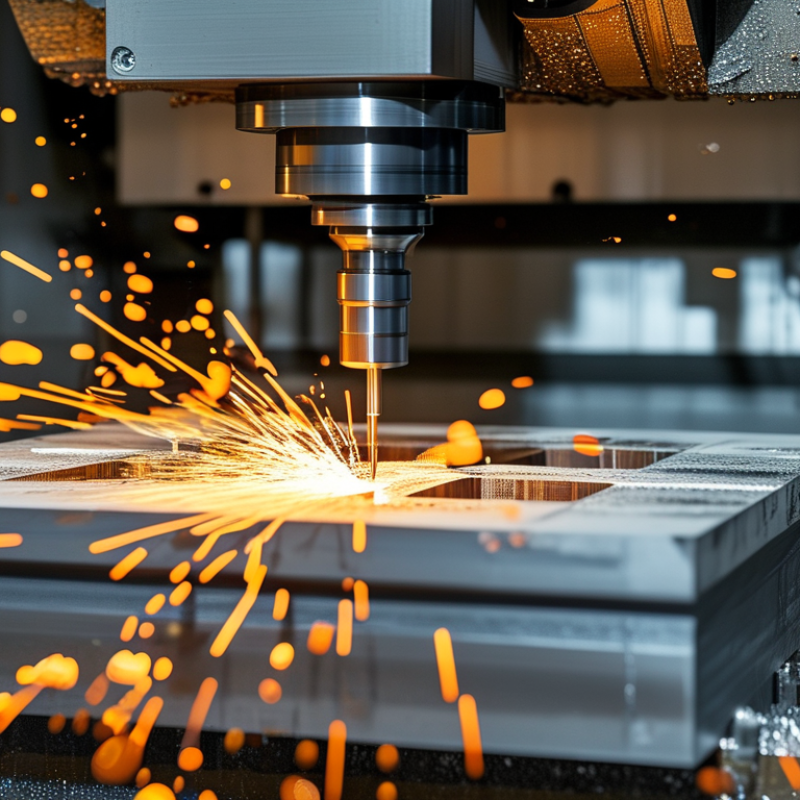
CNC machining parts are integral to modern manufacturing. Understanding these components helps businesses choose the right solutions. CNC, or Computer Numerical Control, involves precise machining processes. Components like spindles, tools, and fixtures play crucial roles in production. Each part has specific applications, from aerospace to automotive.
Selecting the right CNC parts requires knowledge of their functions. Spindles are essential for rotating tools. They come in various sizes and styles, affecting cutting speed and precision. Fixtures hold workpieces securely during machining. The wrong fixture can lead to inaccuracies.
Businesses often struggle with finding reliable suppliers. Researching different manufacturers is vital. Not all suppliers maintain consistent quality. Quality checks and certifications can guide selection. Always weigh cost against quality. Price savings may reflect on the final product. Understanding machining components leads to better decisions. It allows companies to innovate and improve efficiency.
Identifying Your Business Needs for CNC Machining Parts
When considering CNC machining parts for your business, start by identifying your specific needs. Determine the types of materials you require. Different projects may need metals like aluminum or steel, while others might need plastics. The choice of material strongly influences the finished product's quality and performance. Knowing the right material helps in selecting the right supplier.
Next, assess the complexity of your designs. Are they simple or intricate? This will impact the type of CNC processes required. More complex shapes often need advanced machining techniques, which might limit your options. Evaluate your production volume as well. High-volume production might benefit from automation, while smaller runs could focus on custom work.
Finally, consider your budget and timeline. Balancing cost with quality is critical. Cheaper options may lead to poor results, requiring rework. Reflecting on past machining projects can provide valuable insights. Analyze what worked and what didn’t. This self-assessment helps in making informed decisions for future purchases.
Researching Reliable CNC Suppliers in the USA
When searching for reliable CNC suppliers in the USA, start by assessing their reputation. Look for reviews from previous customers. Online platforms and industry forums can provide insights into their reliability and quality. Pay attention to both positive and negative feedback. This helps paint a clearer picture of their service standards.
Consider the supplier's experience in the industry. A company that has been around for several years is often more reliable. They likely have a robust quality control process in place. However, new suppliers can also offer innovative solutions. Evaluate both types carefully. Verify their certifications and compliance with industry standards. This is crucial for ensuring consistent quality in CNC machining parts.
Communication is key. Reach out to potential suppliers with questions about their processes. Prompt and detailed responses are a good sign. Be cautious if the response time is slow or vague. This could indicate future issues. Additionally, request samples where possible. This will help you assess the quality of their work firsthand.
Evaluating Quality Standards and Certifications for CNC Parts
When buying CNC machining parts, quality standards and certifications are crucial. These benchmarks help ensure that parts meet specific performance and durability criteria. Look for common industry standards like ISO 9001. This certification indicates that a manufacturer adheres to quality management systems. It reflects their commitment to delivering reliable products.
Another essential certification is AS9100, particularly for aerospace applications. This standard focuses on quality in the aviation sector. If your business operates in this field, prioritize manufacturers with AS9100 certification. These companies often have strict quality control processes in place.
Evaluating a manufacturer’s quality management system is important. Request documentation of their certifications and quality control procedures. Inspect their production facilities if possible. This helps assess their capability to deliver high-quality CNC parts. Pay attention to past customer feedback. It can reveal valuable insights into the manufacturer’s reliability and product performance. Always remember, even certified manufacturers can have inconsistencies. Being thorough in your evaluation can save time and resources later.
How to Buy CNC Machining Parts in the USA for Your Business? - Evaluating Quality Standards and Certifications for CNC Parts
| Criteria |
Description |
Standard/Certification |
| Material Quality |
Ensure materials used meet specific engineering standards. |
ASTM, ISO 9001 |
| Precision |
Evaluate machining tolerances and accuracy. |
ISO 2768 |
| Surface Finishing |
Identify surface roughness requirements. |
Ra, Rz Standards |
| Certification |
Choose suppliers with relevant certifications. |
ISO 13485, AS9100 |
| Supplier Experience |
Look for suppliers with proven track records in CNC machining. |
N/A |
| Customer Reviews |
Check customer feedback and case studies. |
N/A |
Negotiating Prices and Terms for CNC Machining Orders
Negotiating prices and terms for CNC machining orders can significantly impact your business's bottom line. Start by researching typical costs in the industry. Understand how different factors like material choice, complexity, and lead times affect pricing. This knowledge empowers you to negotiate confidently.
When talking to suppliers, be clear about your project requirements. This clarity builds trust and facilitates better discussions. Don’t hesitate to ask for detailed quotes. Look for breakdowns in costs. Sometimes, suppliers may include hidden fees. These can erode your budget if not addressed early.
Being open to discussing terms beyond price is vital. Deliberate over payment schedules and delivery timelines. Flexibility can benefit both parties. Insist on quality assurances and understand revision policies. Don’t overlook these aspects. A well-structured agreement can save you headaches later on. Reflecting on past negotiations can also provide insights into areas needing improvement.