Choosing a reliable steel sheet metal supplier is rarely as simple as comparing quoted prices. Global buyers must examine material grades, thickness tolerance, surface finish, production capacity, and export experience. A low offer may become expensive after freight delays, rejected batches, or unclear certification.
Andrew Carnegie, the influential American steel industrialist, once said, “As I grow older, I pay less attention to what men say. I just watch what they do.” His observation remains useful today. Supplier claims deserve verification. Look for mill test certificates, traceable heat numbers, inspection records, and clear answers about coating standards. Ask how the company handles a scratched coil, a late vessel, or a failed dimensional check.
This guide reviews 10 leading steel sheet metal suppliers for international buyers. The comparison considers product range, quality systems, customization, minimum order quantities, packaging, delivery reach, and communication. Some suppliers may excel in stainless steel, while others perform better with galvanized, carbon, or pre-painted sheets. No ranking is perfect. Your industry, destination, budget, and technical drawings may change the result.
Pay attention to practical details. Can the supplier protect sheets with waterproof wrapping and edge guards? Can it maintain flatness across a large batch? Does it provide realistic lead times instead of attractive promises?
Small details matter.
The final choice should follow evidence, not marketing language. Even experienced buyers can overlook one issue. That is why samples, written specifications, and independent inspections remain valuable before a large international order.
What Defines a Reliable Steel Sheet Metal Supplier?
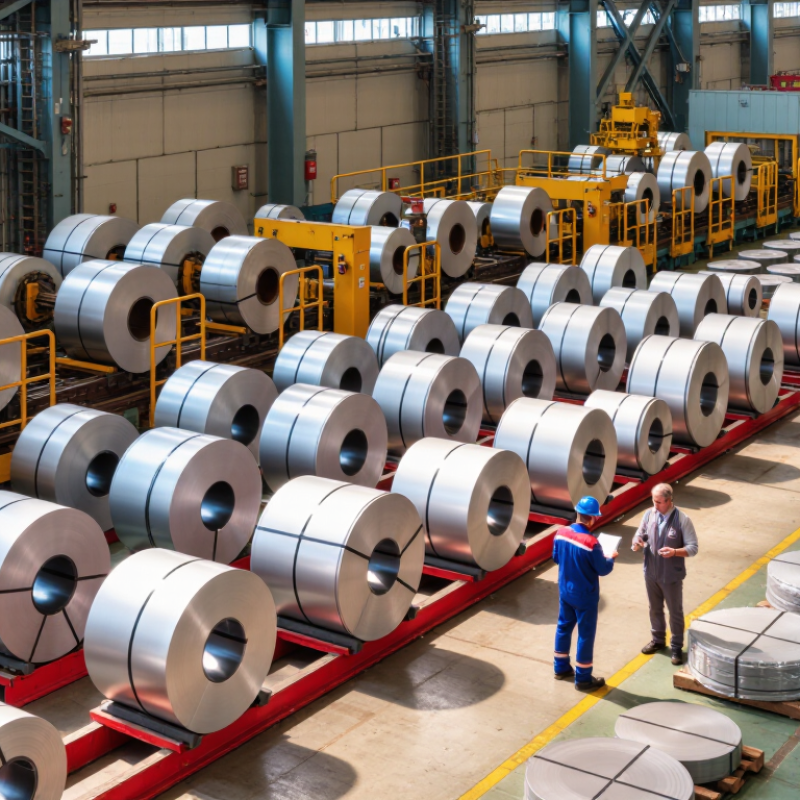
A reliable supplier proves capability with consistent evidence, not polished promises. The World Steel Association reported 1,888.2 million tonnes of crude steel production in 2023. That scale makes supplier selection more difficult, especially when quality varies between production lots.
Ask for heat numbers, mill test certificates, dimensional records, and coating results. The documents should match the actual coils or sheets received. A serious supplier also explains grade chemistry, tensile strength, yield strength, thickness tolerance, and surface condition. ISO 9001-based quality systems can support process control, but certification alone cannot guarantee every shipment. Independent inspection remains useful for critical orders.
Delivery performance deserves equal attention. Request historical on-time delivery data, packaging photographs, and a clear claim process. Reliable packaging should protect corners, surfaces, and edges during long-distance handling. The OECD has repeatedly identified logistics disruption as a major manufacturing risk, so contingency planning matters. Can the supplier offer an alternative production route during shortages?
Look beyond the first quotation. Paperwork matters. Check whether the supplier tracks nonconformities and corrective actions. A transparent supplier admits occasional mistakes and shows how recurrence is prevented. No audit is perfect. Buyers should sample incoming material, even after a successful first order. Small gaps hurt. A dependable partnership grows from measurable quality, honest communication, and repeatable performance.
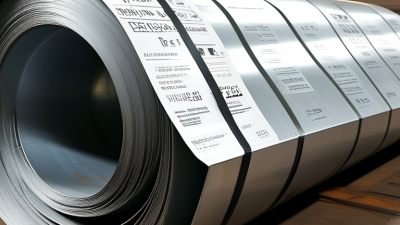
An objective supplier-selection benchmark based on internationally recognized quality, technical, logistics, and commercial criteria.
| No. | Evaluation Dimension | Reliable-Supplier Benchmark | Evidence Global Buyers Should Request | Suggested Weight |
|---|---|---|---|---|
| 01 | Material Traceability | Every coil, sheet, or cut part can be linked to a heat number, material grade, thickness, and production batch. | Mill test certificate, heat-number records, incoming inspection procedure, and certificate-to-order matching. | 15% |
| 02 | Applicable Material Standards | Can supply grades to the buyer’s required standard, such as ASTM, EN, JIS, or equivalent specifications, without substituting grades without approval. | Technical datasheets, grade comparison sheet, standard revision reference, and written deviation-approval process. | 12% |
| 03 | Dimensional Accuracy | Thickness, width, length, flatness, squareness, and cut dimensions are inspected against the purchase specification and agreed tolerances. | Inspection plan, calibrated measuring equipment, sample inspection report, and tolerance table. | 12% |
| 04 | Surface Quality | Surface condition is clearly defined, including acceptable limits for scratches, scale, dents, rust, pits, oil, and coating defects. | Approved visual standard, surface-grade description, defect classification, and pre-shipment photos when required. | 10% |
| 05 | Quality Management | Uses documented quality controls covering order review, production, inspection, nonconforming products, corrective action, and record retention. | Valid ISO 9001 certificate where applicable, audit summary, corrective-action records, and quality manual excerpts. | 12% |
| 06 | Processing Capability | Can consistently perform the required operations, such as shearing, laser cutting, plasma cutting, bending, perforating, or slitting, within approved specifications. | Equipment list, maximum and minimum processing sizes, sample parts, process capability data, and tooling limitations. | 10% |
| 07 | Lead-Time Reliability | Provides a written production schedule, communicates delays promptly, and measures on-time delivery rather than quoting only the shortest possible lead time. | Recent delivery-performance records, production schedule, capacity statement, and escalation procedure. | 10% |
| 08 | Export and Packaging Controls | Uses packaging suitable for international transport, moisture protection, lifting, stacking, marking, and container or truck loading requirements. | Packaging specification, loading photos, weight and dimension details, shipping marks, and export-document checklist. | 8% |
| 09 | Commercial Transparency | Quotes identify grade, thickness, dimensions, quantity, tolerances, finish, processing, Incoterm, payment terms, validity period, and exclusions. | Line-item quotation, Incoterms® 2020 reference, payment terms, surcharge policy, and written change-control procedure. | 6% |
| 10 | After-Sales Responsiveness | Maintains a documented process for complaints, root-cause analysis, replacement, credit, corrective action, and technical support. | Complaint-response target, warranty or claim terms, 8D report sample, and named technical contact. | 5% |
| Total Suggested Evaluation Weight | 100% | |||
When comparing the 10 best steel sheet metal suppliers for global buyers, start with measurable production evidence. Ask for grade, thickness tolerance, surface finish, sheet dimensions, and monthly capacity. A reliable supplier provides inspection reports, not broad promises. Request a sample lot before placing a large order. Measure flatness, check surface marks, and compare the delivered weight with the packing list. Small differences can become expensive during stamping or fabrication.
Supplier evaluation should include technical competence and process control. Review mill certificates, heat numbers, calibration records, and nonconformance procedures. Confirm whether testing is performed in-house or by an independent laboratory. Audit photos can help, but live video checks are stronger. Ask how rejected sheets are isolated. A clean factory is encouraging, not conclusive. In practical sourcing work, response speed often reveals engineering discipline, although it should not replace document review. Some buyers overvalue low prices and overlook tolerances.
Global reliability also depends on packaging, shipping, and communication. Check moisture protection, corner guards, pallet strength, loading plans, and export documents before approval. Compare realistic lead times, not ideal estimates. Request written remedies for incorrect dimensions, quantities, or surface quality. Currency changes, port delays, and material surcharges need clear terms. Remote audits remain imperfect. They cannot show every production shift. Schedule follow-up inspections for critical orders, and keep retained samples for later comparison.
A high-volume mill supplier serves automotive and construction buyers with galvanized, cold-rolled, and hot-rolled sheets. Its strength is consistent coil production, supported by laboratory testing and traceable heat numbers. A regional service center cuts, levels, and slits material before shipment. This reduces workshop waste and suits buyers needing exact dimensions.
A precision fabricator focuses on laser-cut blanks, brackets, and formed panels. It usually provides dimensional reports and sample approval before production. An export-oriented distributor combines several mills and offers flexible quantities. Buyers should verify the original mill certificates carefully. Mistakes happen.
A stainless sheet specialist serves food equipment, architectural, and medical facility projects. Surface finish, protective film, and edge quality matter greatly here. A structural steel supplier emphasizes yield strength, welding performance, and dependable delivery schedules. Its technical team can review drawings before quotation.
A custom metal processor supports prototype runs and short production batches. It may be ideal for product development, but capacity can change quickly. A large inventory holder offers common thicknesses for urgent maintenance work. Storage conditions remain important, especially where moisture may cause surface defects.
A certified service supplier provides inspection records, coating measurements, and packing photographs. These documents improve purchasing confidence across borders. A value-focused supplier competes through efficient production and practical packaging. Its lower price deserves closer review of tolerances, testing, and delivery terms.
An engineering-led supplier helps buyers select grades, finishes, and forming methods. That advice can prevent costly redesigns. A long-term project supplier coordinates scheduled releases for infrastructure programs. Even experienced buyers should reassess forecasts, because steel demand and shipping conditions can shift unexpectedly.
Choosing among the 10 best steel sheet metal suppliers requires more than comparing headline prices. Experienced buyers check steel grades, thickness ranges, surface finishes, cutting accuracy, and production capacity. Common options include carbon steel, galvanized sheet, stainless steel, and pre-painted products. Ask for dimensional tolerances and sample pieces before placing a large order.
Small details matter.
Certifications should match your destination and application. Reliable suppliers can provide ISO 9001 records, mill test certificates, heat numbers, and inspection reports. Depending on the project, buyers may request ASTM, EN, or JIS compliance. Third-party inspection can verify thickness, coating weight, chemical composition, and surface condition.
It costs extra, but mistakes cost more.
Price comparisons need a complete basis. Check whether quotes include packaging, inland transport, ocean freight, insurance, duties, and currency adjustments. A low factory price may hide high minimum quantities or expensive cutting fees. Delivery estimates should show production time, port schedule, loading date, and realistic transit time.
Strong suppliers use moisture-resistant packaging, corner protection, and clear labels for every bundle. Ask how damaged sheets are handled. This part is often vague.
I have seen buyers focus on price while overlooking tolerance claims and delayed documents. A written specification, approved sample, and traceable inspection record make international purchasing safer.
Choosing a steel sheet metal supplier starts with your drawing, not a search result. Define the grade, thickness tolerance, surface finish, cut size, and monthly volume. A supplier that understands these details can prevent costly revisions. Ask for material certificates, inspection records, and sample parts before approving production. Small tests matter. Request a trial order.
Evaluate manufacturing capacity through evidence, not confident promises. Review equipment lists, process controls, welding qualifications, and packaging methods. If possible, inspect the facility or arrange a live video audit. Check how the supplier handles warped sheets, burrs, late shipments, and rejected batches. These moments reveal real experience. A polished brochure does not. Compare lead times with your launch schedule, including transport and customs clearance. Ask who owns quality decisions across time zones.
Commercial terms deserve the same attention as engineering. Confirm payment stages, minimum order quantities, tooling charges, delivery terms, and replacement procedures. Use a written inspection standard with measurable limits for thickness, flatness, and coating adhesion. Independent testing may be worthwhile for safety-critical applications. Do not choose only by price. The cheapest quote can hide weak documentation or unstable capacity. A checklist can still miss a communication gap. Contact recent customers and ask about repeatability, not just delivery. Recheck your assumptions after the first order.
Recommended supplier evaluation priorities for selecting a reliable international steel sheet partner
You are using an outdated browser. Things may not appear as intended. We recommend updating your browser to the latest version.
Close