Top 10 Rotating Machines and Their Applications Explained
Rotating Machines are pivotal in various industries, driving efficiency and productivity. According to market research, the global rotating machinery market is projected to reach $400 billion by 2026. These machines include motors, pumps, and generators, essential for operations in sectors like manufacturing, energy, and transportation.
Despite their significance, many businesses overlook maintenance protocols. A report from the International Journal of Engineering highlights that improper care can lead to a 20% reduction in efficiency. Furthermore, advancements in technology introduce new challenges, such as compatibility issues and the need for skilled operators.
Understanding the top 10 rotating machines and their diverse applications can help organizations capitalize on their potential. However, complacency in machine upkeep raises questions about sustainability and productivity. Investing in training and technology is crucial for long-term benefits.
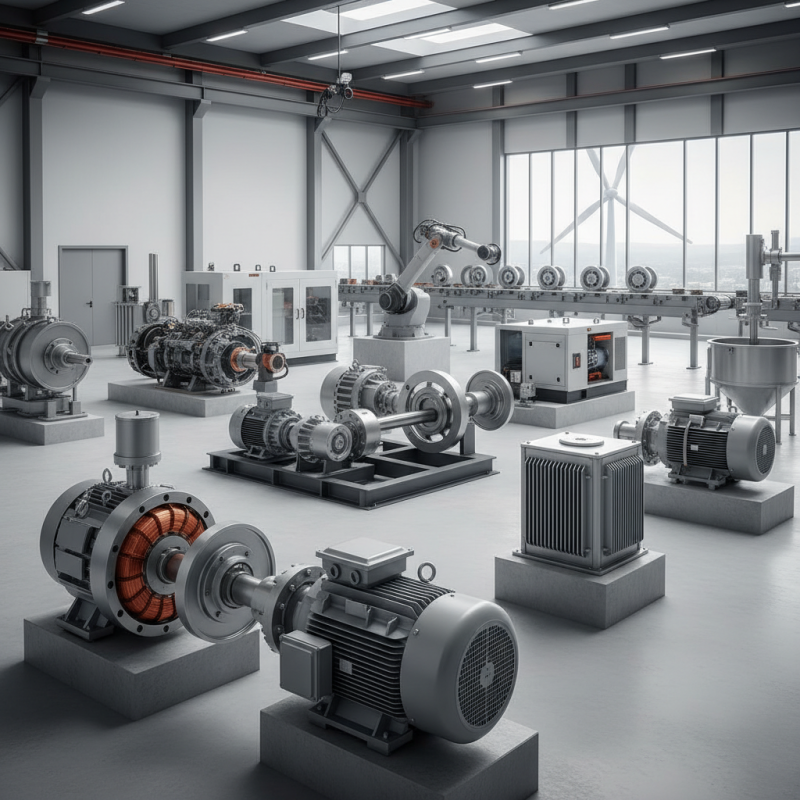
Types of Rotating Machines: Overview of Key Categories
Rotating machines are essential components in various industries. They transform energy into mechanical work. Key categories include electric motors, generators, turbines, and centrifugal pumps. Each type serves distinct applications, impacting efficiency and performance.
Electric motors power countless devices. They can operate in harsh conditions and are energy-efficient. In contrast, generators convert mechanical energy into electrical energy. According to a report by the International Energy Agency, the global generator market is expected to grow by 5% annually.
Turbines play a critical role in energy generation. They are used in wind, hydro, and gas power plants. The demand for wind energy has surged, with a 20% increase in installed capacity last year alone. Centrifugal pumps are widely used in water supply and industrial processes. They are vital for maintaining fluid transfer.
Tips: When selecting a rotating machine, consider energy efficiency ratings. Look for machines that meet modern standards for sustainability. Regular maintenance is crucial for longevity and performance. Even minor neglect can lead to significant issues.
Principle of Operation: How Rotating Machines Function Mechanically
Rotating machines play a crucial role in various applications, from power generation to transportation. At their core, these machines rely on the principles of rotational motion. They convert electrical energy into mechanical energy through a series of components working together. The rotor spins within a stator, generating forces that produce motion.
Every rotating machine has a unique operating principle. For instance, in electric motors, magnetic fields create rotational movement. In turbines, fluid dynamics drives the rotation. Understanding these principles is vital for optimizing performance.
Tips: Regular maintenance is key. Check for wear and tear in bearings. Ensure lubrication is adequate to prevent overheating. Also, be aware of any unusual noises during operation.
In practices, many users overlook minor details. A misaligned shaft can lead to inefficiency. This not only affects performance but can also shorten the machine’s lifespan. Small adjustments often make a significant difference. Keep an eye on alignment and balance to maintain optimal functionality.
Industrial Applications: Utilizing Rotating Machines in Various Sectors
Rotating machines are essential in various industrial sectors. These machines convert energy into mechanical power, driving numerous applications. For example, electric motors are widely used in manufacturing plants. They power conveyor belts and machinery, ensuring smooth operations. In construction, rotary drills create deep holes for foundations. These machines optimize processes, yet their efficiency can sometimes falter.
In the energy sector, turbines play a critical role. They convert steam or water flow into electrical energy. However, these systems require regular maintenance to avoid failures. Wind turbines harness natural resources but face challenges from inconsistent wind speeds. Additionally, their reliance on weather can lead to fluctuations in energy supply.
The chemical industry utilizes rotating equipment like agitators and mixers. They ensure proper blending of materials. However, improper operation can lead to negative outcomes, such as product inconsistencies. Addressing these challenges is crucial for maximizing efficiency in all sectors. By reflecting on current practices, industries can improve their use of rotating machines, ultimately enhancing productivity.
Energy Efficiency: Impact of Rotating Machines on Power Consumption
Rotating machines play a crucial role in powering modern industries. Their efficiency directly impacts energy consumption. Many machines, like motors and generators, convert energy between mechanical and electrical forms. The design and operation of these machines significantly affect power usage in various applications. Small improvements in efficiency can lead to substantial energy savings.
In many cases, rotating machines are not optimized for performance. Regular maintenance is often neglected. This can lower efficiency and increase operational costs. Even minor wear and tear can disrupt their functionality. In some scenarios, outdated technology lagged behind more efficient options. It begs the question: Are we truly utilizing the best available designs for our needs?
Optimizing the energy efficiency of rotating machines is not just a technical challenge. It requires careful analysis and, at times, costly upgrades. However, the long-term benefits can outweigh these initial investments. Newer machines and advanced control systems promise better performance and reduced energy bills. Industries must not dismiss the importance of incorporating energy-efficient rotating machines into their operations.
Recent Innovations: Technological Advances in Rotating Machinery Design
The field of rotating machinery is experiencing rapid technological advances. Innovations are transforming design and efficiency. These advancements enhance performance in various applications, from power generation to manufacturing.
One significant innovation is the use of smart sensors. These devices monitor condition and performance in real-time. They provide alerts for maintenance needs. This proactive approach minimizes downtime. However, reliance on technology can lead to overconfidence. Regular maintenance checks should not be neglected.
Another notable trend is the integration of advanced materials. Composite materials reduce weight and improve efficiency. They can withstand high temperatures and pressures. This innovation is promising, but it requires careful implementation. Engineers must test these materials thoroughly to prevent failures. Sometimes, new materials may behave unpredictably.
Tips for dealing with these innovations include staying updated on industry trends. Regular training for staff is essential. Encourage a culture of feedback on new technologies. Use this input to improve processes. Don't overlook the basics, as they remain vital. Reflect on past experiences where technology has failed. Learn from those moments to enhance future projects.
Top 10 Rotating Machines and Their Applications
This chart illustrates the power capabilities of the top 10 types of rotating machines commonly used across various industries. Understanding their applications helps in selecting the right machinery for specific operational needs.