Top Rated Tillers for Gardening How to Choose the Best One?
When it comes to gardening, selecting the right tool is crucial. Top Rated Tillers make a significant impact on your gardening experience. They help break up soil, enabling better root growth and improved plant health. However, with so many options available, choosing the best tiller can be overwhelming.
Understanding your gardening needs is essential. Do you have a small patch or a large garden? Each tiller offers unique features. Some are lightweight, while others provide more power. This can affect your gardening efficiency. Researching user reviews adds value to your decision-making process. Not all tillers are created equal, and not every popular choice will suit you.
As you explore various models, consider factors like durability, ease of use, and maintenance. Many gardeners overlook these aspects. Personal experiences often reveal flaws in top-rated options. Engaging with fellow gardeners can uncover insights that reviews may miss. This journey requires reflection and patience. Finding the right tiller is not just about ratings; it’s about matching a tool with your vision.
Understanding the Different Types of Tillers Available for Gardening
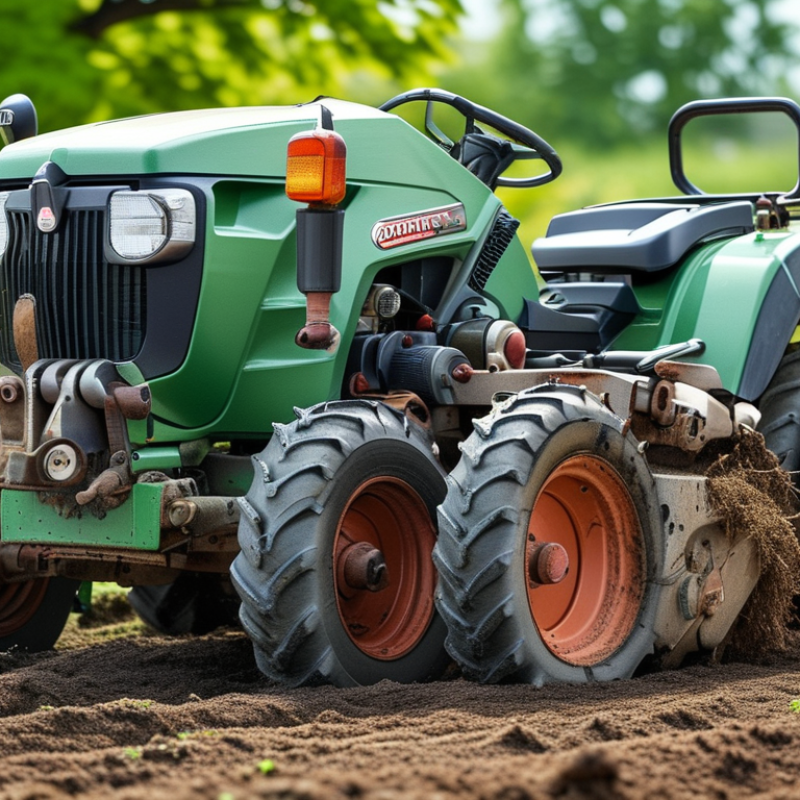
When choosing a tiller for gardening, it's essential to understand the different types available. There are primarily two categories: front-tine and rear-tine tillers. Front-tine tillers are typically lighter and easier to maneuver. They are ideal for smaller gardens and aerating soil. Rear-tine tillers offer more power and can handle larger areas. They work well in tough soil conditions and are great for breaking up hard ground.
Selecting the right tiller depends on your gardening needs. Consider the size of your garden before making a decision. You might find a smaller tiller sufficient, but a larger garden may require a more robust option. Think about the soil type as well. Hard, compacted soil requires a tiller with more torque.
Pay attention to the tiller's weight and ease of use. A heavier model can be challenging to handle if you’re not experienced. Test different models if possible. It's also crucial to check reviews to gauge reliability. Look for feedback about motor performance and tilling depth. Ensure that you choose a tiller that feels comfortable in your hands.
Key Features to Consider When Choosing a Tiller for Your Garden
When selecting a tiller for your garden, understanding key features is essential. Consider the tiller's size based on your garden’s dimensions. A small tiller works well for tight spaces, while a larger model suits bigger areas. According to a recent market report, about 70% of gardeners prefer tillers with adjustable width settings, allowing precise cultivation results.
Power source is crucial. Electric tillers are quieter and ideal for small gardens, while gas-powered models handle tougher soil conditions. Studies show that gas tillers can cultivate about 25% more area in the same time, making them effective for larger plots. Additionally, investigate tilling depth capabilities. Most plants benefit from a depth of at least 6 inches for effective root growth.
Consider comfort and ease of use. Ergonomic handles reduce strain during operation. Weight distribution impacts maneuverability. A lighter tiller makes gardening less tiring, especially over extended periods. For maintenance, choose models with easy-to-access parts, simplifying repair and tune-ups. Gardeners report that well-maintained tillers can last up to 15 years, emphasizing the importance of regular check-ups.
Top Rated Tillers for Gardening - How to Choose the Best One?
| Tiller Type | Engine Power | Working Width | Weight | Fuel Type | Price Range |
| Gas-Powered Tiller | 5 HP | 16 inches | 80 lbs | Gasoline | $300 - $600 |
| Electric Tiller | 13 Amp | 12 inches | 30 lbs | Electric | $100 - $250 |
| Battery-Powered Tiller | 40V | 14 inches | 45 lbs | Battery | $250 - $400 |
| Front Tine Tiller | 6 HP | 18 inches | 100 lbs | Gasoline | $400 - $700 |
| Rear Tine Tiller | 7 HP | 20 inches | 120 lbs | Gasoline | $600 - $1200 |
Evaluating Tiller Power and Performance: Gas vs Electric Options
When considering the power and performance of tillers, it's essential to evaluate the differences between gas and electric options. Gas tillers typically boast more power, which can benefit gardeners dealing with larger plots or tougher soil conditions. According to industry reports, gas tillers often have horsepower ratings between 5-10, making them adept at handling challenging terrains. However, their weight and noise level can be drawbacks, especially for those maintaining small gardens or urban landscapes.
On the other hand, electric tillers provide a quieter and lighter alternative, often weighing less than 30 pounds. They are ideal for smaller gardens and typically run on 12 to 20 amps, delivering adequate performance for seedbed preparation. Research shows that electric tillers have become increasingly popular due to their eco-friendly nature and minimal maintenance needs. However, their power may wane in compact or very dry soils, necessitating a careful assessment of soil conditions before making a choice.
Users often report a balance of convenience and efficiency with electric models. Yet, issues such as limited runtime and cord entanglement can lead to frustration. A reliable tiller is vital, but understanding the intended use and garden size is equally important. The right choice hinges not just on specifications but also on personal gardening goals and the challenges one anticipates in their green space.
Assessing Size and Maneuverability for Your Garden Space
When assessing size and maneuverability for your garden space, it's crucial to consider the dimensions of your area. A small garden may not require a heavy-duty tiller. Instead, a lightweight option that can easily navigate tight spots is ideal. If your garden is larger, a more robust tiller might be necessary for efficiency.
Inspect the turning radius of the tillers. Smaller models tend to offer better maneuverability. They fit effortlessly between rows of plants or in narrow spaces. This flexibility can save you time. Consider your planting layout, as an efficient tiller can make a significant difference.
Evaluate the weight of the tiller as well. A heavier tiller can be harder to control, particularly in tight spaces. Balancing power and ease of use is key. Sometimes, a slightly less powerful tiller actually works better for your specific needs. Test drive several options to find what feels comfortable. It’s important to find the right fit for your gardening style.
Top Recommended Models of Tillers Based on User Reviews and Ratings
Choosing the right tiller can greatly impact your gardening efforts. When exploring top-rated tillers, user reviews and ratings are invaluable. A report from the National Gardening Association indicates that 60% of gardeners upgraded their tillers within five years due to unsatisfactory performance. It's crucial to consider user feedback on features like ease of use, durability, and power. Many recommend models that balance performance with affordability.
Some users express frustration with overly heavy models. They often find these difficult to maneuver in tighter spaces. Lightweight options, while easier to handle, may lack the power needed for tough soil. It's essential to find a middle ground. Check user ratings, focusing on models that provide reliable performance without overwhelming weight.
When selecting a tiller, examine the tines' design and material. Steel tines may offer better durability, while composite options are lighter. Power sources also matter. Gas-powered tillers can deliver strength, but electric models are often quieter and more eco-friendly. Reading through user experiences can help you navigate these choices. Effective gardening relies on finding tools that truly meet your needs.