Top Plastic Cup Making Machine Manufacturers Worldwide?
Choosing a reliable Plastic Cup Making Machine manufacturer requires more than comparing prices and production speed. Buyers must examine engineering experience, machine stability, after-sales support, and compliance with recognized safety standards. A manufacturer may advertise high output, yet real performance depends on cup size, material thickness, mold design, and operator skill.
This guide introduces leading manufacturers worldwide and explains how their equipment serves different production needs. It considers thermoforming systems, automated feeding units, mold-changing processes, and trimming accuracy. Practical details matter. A stable machine should maintain consistent wall thickness during long production runs. It should also reduce material waste, control heating temperatures, and provide accessible replacement parts.
Some manufacturers have impressive reputations. Still, reputation alone is not enough. Factory visits, verified customer references, and machine demonstrations can reveal weaknesses hidden in brochures. A fast line may create unnecessary maintenance costs. A cheaper model may become expensive after repeated downtime. These issues deserve careful reflection.
The comparison also considers technical documentation, training quality, warranty terms, and regional service coverage. Experienced suppliers usually explain limitations clearly instead of promising perfect results. That honesty can be valuable. Production conditions vary, and no machine fits every factory. Buyers should review expected output, available floor space, labor skills, energy use, and target cup designs before making a decision.
By focusing on evidence rather than promotional language, this overview helps manufacturers build a more dependable shortlist. The final choice should balance productivity, quality, safety, and long-term operating confidence.
What Is a Plastic Cup Making Machine?
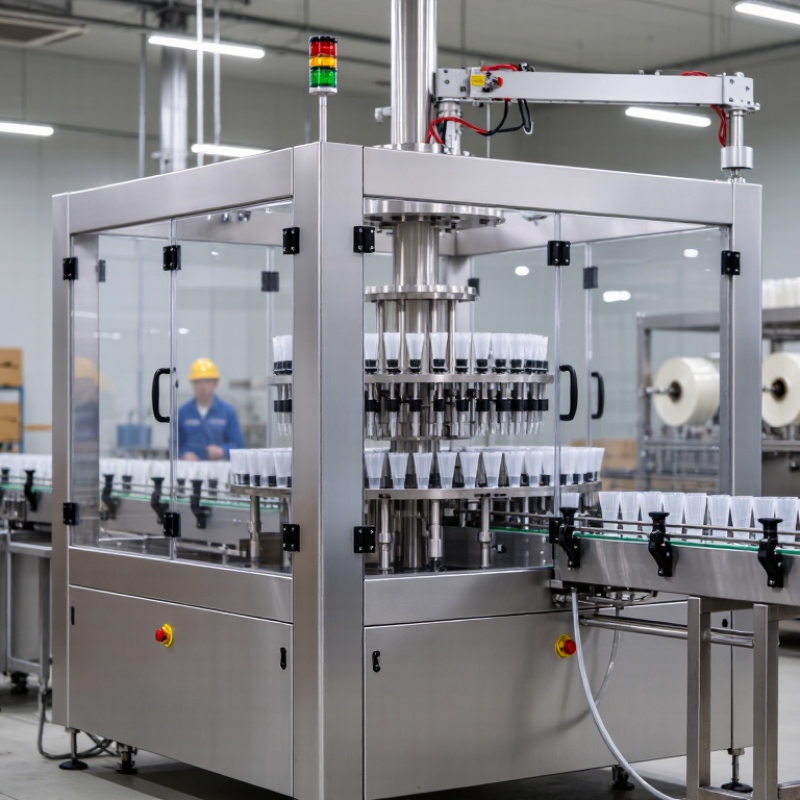
A plastic cup making machine is an industrial system that converts plastic sheet or pellets into finished cups. Most thermoforming models heat a thin sheet until it softens, then shape it inside a mold using vacuum, air pressure, or both. The cup is cooled, trimmed, stacked, and inspected during one production cycle. Some lines also feed printed film or apply edge treatments.
The details matter. A heated sheet should feel flexible, not burnt, before forming. Poor temperature control can create thin walls, cloudy surfaces, or uneven rims. Operators usually monitor heating zones, mold temperature, forming pressure, cycle time, and scrap rate. In practice, a small temperature change can affect cup weight. That is easy to underestimate.
The OECD Global Plastics Outlook reports that global plastic production reached 460 million tonnes in 2019, nearly double the 2000 level. Packaging represented about 40% of plastic use.
UNEP’s Turning off the Tap report also identifies packaging as a major area for material reduction and better circular design. These figures explain the continued demand for efficient cup-forming equipment.
However, a faster machine is not automatically better. It may consume more energy, increase trimming waste, or reduce quality. A credible evaluation should compare output, energy per thousand cups, material loss, mold-change time, and worker safety controls. Industry brochures often highlight speed. Real factory trials can tell a different story.
How Plastic Cup Making Machines Work
Plastic cup making machines usually rely on thermoforming. Plastic pellets are melted into a thin sheet, or supplied as pre-made roll stock. The sheet passes through heated zones until it becomes flexible, but not liquid. A forming station then presses it against cup-shaped molds using air pressure or vacuum. The mold defines the rim, wall thickness, and base detail. Cooling follows quickly. Trimming removes the surrounding sheet, while a stacking unit counts and aligns the finished cups.
The process looks simple. It is not. Small temperature changes can create cloudy surfaces, weak rims, or uneven walls. Sensors monitor heater temperature, web speed, pressure, and mold position. Experienced operators still check samples by hand. They inspect rim cuts, deformation, and leakage. Machines using injection molding work differently: molten plastic enters individual molds under pressure, then cools before ejection. This method can produce thicker, more detailed cups, but it often requires higher tooling precision.
Industry data explains the scale behind this equipment. PlasticsEurope’s Plastics—The Fast Facts 2024 reported that packaging represented 39.3% of European plastics demand in 2022. A 2024 Grand View Research report also identified packaging as a major application area for thermoformed plastics. These figures help explain why manufacturers worldwide emphasize cycle stability, material efficiency, and automated inspection. Yet published efficiency figures can be optimistic. Actual output depends on resin quality, cup design, mold maintenance, and operator decisions. That gap deserves careful testing.
Key Types of Plastic Cup Manufacturing Equipment
Plastic cup manufacturing equipment differs by material, volume, and product design. Thermoforming machines heat plastic sheets until they soften, then shape them inside molds. They suit high-volume production of lightweight cups, trays, and containers. Operators can adjust heating zones, forming pressure, and trimming speed for cleaner edges.
Injection molding machines create cups from plastic pellets. The material melts inside a heated barrel and enters a precision mold under pressure. This method supports thicker walls, detailed rims, and consistent dimensions. Extrusion systems are also useful when manufacturers produce plastic sheet in-house. Auxiliary equipment matters too. Granulators recycle production scrap, while chillers stabilize water temperature during continuous operation. In my experience, poor cooling control often causes warped rims or uneven cup walls. Still, equipment selection is not always obvious. A faster machine may waste more material if the mold design is poorly matched.
Tips: Check the intended cup size, resin type, cycle time, and available floor space before purchasing. Ask suppliers for sample runs using your actual material. Inspect wall thickness, stacking performance, trimming quality, and energy use. Keep records from each trial. Small production details often reveal larger maintenance problems later.
Leading Plastic Cup Machine Manufacturers Worldwide
Leading plastic cup machine manufacturers worldwide are judged by more than catalog size. Experienced suppliers usually show stable forming results across PP, PET, and recyclable sheet grades. They explain heating zones, mold pressure, cycle time, and material waste in practical terms. Ask for sample runs. A serious manufacturer can provide cup samples, production data, and maintenance guidance before purchase. This evidence reveals whether advertised speed matches factory conditions.
Strong manufacturers design thermoforming lines around output, cup dimensions, automation, and local power standards. Their equipment may include sheet feeding, preheating, forming, trimming, stacking, and quality inspection. Reliable controls help operators adjust temperature and pressure without guesswork. Remote support matters, but trained technicians and accessible spare parts matter more. I have found that simple interfaces often outperform impressive screens during long production shifts. That is not universal. Factory layout support also reduces installation delays, especially when space is limited.
A trustworthy manufacturer documents tolerances, energy consumption, safety features, and recommended service intervals. It should discuss weaknesses openly, including mold change time or limits with thin materials. Transparent testing builds confidence. Buyers should compare verified references from different regions, not only polished demonstrations. After-sales training, warranty terms, and response times can determine the real cost of ownership. The best global suppliers keep improving, yet no machine fits every factory perfectly. That detail deserves attention.
How to Choose the Right Manufacturer for Your Needs
Choosing the right plastic cup making machine manufacturer requires more than comparing prices. Start with your actual product range: cup size, wall thickness, material, cycle time, and expected monthly output. A machine built for thin PP cups may perform poorly with heavier recycled-content sheets. It sounds obvious, but this mismatch still causes costly retrofits.
Industry data supports careful material planning. European Bioplastics and nova-Institute reported global bioplastics production capacity of about 2.18 million tonnes in 2023, with strong growth projected through 2028. Ask manufacturers whether their forming systems can process your selected resin consistently. Request test runs using your own sheet. Inspect cup weight, rim quality, stacking, and scrap rate. Samples matter more than polished showroom claims.
Look beyond the machine itself. PMMI industry research repeatedly highlights labor efficiency, automation, and reliable technical support as major packaging priorities. Check actual cycle-time records, energy consumption, mold-change duration, and spare-parts availability. A supplier should provide electrical drawings, maintenance schedules, operator training, and clear warranty terms. Confirm compliance requirements for your destination market, including electrical safety and food-contact documentation where applicable.
Do not trust perfect projections.
A low quotation may hide expensive molds, weak service coverage, or unstable output. Contact two existing users, preferably with similar products. Ask how quickly faults are resolved, not only how fast the machine runs. My own practical view is simple: the best manufacturer is not always the largest. It is the one that proves repeatable quality under your real production conditions.
Top Plastic Cup Making Machine Manufacturers Worldwide? How to Choose the Right Manufacturer for Your Needs
Compare typical production-capacity benchmarks by machine class before evaluating manufacturers. Higher output should be assessed together with product quality, energy efficiency, tooling flexibility, after-sales support, and compliance with local safety standards.
The figures represent typical market benchmarks for thermoforming plastic cup production and are intended for preliminary supplier comparison. Actual output depends on cup size, material thickness, mold cavities, cycle time, automation level, and operating conditions.