Top Heavy Duty Truck Manufacturers in China for Global Buyers?
China is rapidly emerging as a leader in the heavy-duty truck manufacturing sector. In 2022, the country produced over 1.3 million heavy-duty trucks, accounting for nearly 40% of global output. This significant market share highlights China's vital role in this industry. As global logistics demand rises, heavy-duty trucks are critical for economic growth.
Several top manufacturers have shaped this landscape. Brands like FAW Group and Dongfeng Motor Corporation are notable for their engineering prowess. Their products combine technology and reliability, catering to domestic and international markets. Reports indicate that China’s heavy-duty truck exports increased by 15% in 2023, signaling strengthened global partnerships.
However, challenges remain. Despite growth, some trucks don't meet international standards for emissions and safety. This raises questions about competitiveness in global markets. Buyers should look for manufacturers committed to compliance with stringent regulations. The evolution of the heavy-duty truck industry reflects a balance between innovation and responsibility. For global buyers, understanding this dynamic is essential.
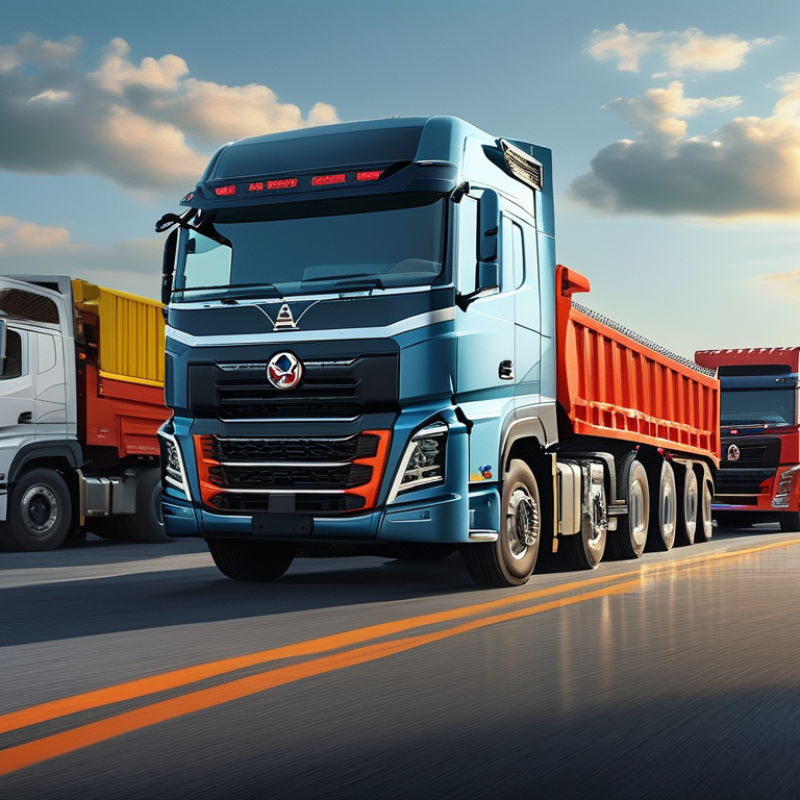
Overview of the Heavy Duty Truck Market in China
The heavy-duty truck market in China has seen significant growth over recent years. This expansion reflects increasing demand in various sectors. With rapid urbanization, the need for robust logistics solutions is escalating. Infrastructure development has also spurred this growth. Factories and warehouses require heavy-duty trucks for efficient transportation of goods.
In this competitive landscape, numerous manufacturers vie for market share. They strive to innovate and improve their offerings. However, challenges remain. Environmental regulations and fuel efficiency standards press manufacturers to adapt. Many companies are investing in research to enhance technology and sustainability. This shift may not come easy for some.
While the market is vibrant, not all manufacturers thrive. Some struggle to keep pace with industry changes. This scenario raises questions about the long-term viability of certain players. Buyers need to conduct thorough research to find reliable partners. The evolving landscape promises opportunities yet requires careful consideration and strategy.
Key Features of Chinese Heavy Duty Truck Manufacturers
Chinese heavy-duty truck manufacturers offer a diverse range of products designed for various industries. These trucks are known for their durability and performance under challenging conditions. Buyers can expect advanced engineering in areas such as fuel efficiency and payload capacity. Many models include features like enhanced safety systems and ergonomic designs, making them appealing for long-haul transportation.
When selecting a heavy-duty truck, it's essential to consider the engine type and drivetrain layout. These factors directly impact performance and maintenance costs. Look for trucks with a proven track record in reliability and functionality.
Investing time in research can lead to better choices. Focus on manufacturers that prioritize customer service and support. Read reviews from other buyers to gauge satisfaction levels. Understanding local regulations and certifications is also important when examining potential purchases. Heavy-duty trucks should comply with emission standards to ensure eco-friendliness.
Top Chinese Heavy Duty Truck Manufacturers and Their Offerings
China is a powerhouse in the heavy-duty truck sector. The nation's manufacturers dominate not only local markets but also gain traction globally. A report from Statista indicates that China's heavy-duty truck market accounted for over 40% of the world’s total output in 2022. This remarkable statistic highlights the industry’s impressive scale and capability.
The offerings from Chinese manufacturers are diverse. They produce trucks optimized for various industries, including construction, logistics, and agriculture. A recent industry analysis from Research and Markets stated that the heavy-duty truck segment is expected to see substantial growth. The projection estimates an increase at a compound annual growth rate (CAGR) of 5.2% between 2023 and 2028. While many manufacturers showcase innovation, the challenge remains in maintaining quality control amid rapid production escalations.
Interestingly, a significant aspect of the Chinese heavy-duty truck market is its adaptation to global standards. Several companies are investing in electric and hybrid technologies. Yet, there is room for improvement in terms of environmental impact and efficiency. Some firms have been slower to adopt sustainable practices compared to their international counterparts, raising questions about long-term competitiveness.
Export Trends and Opportunities for Global Buyers
China's heavy-duty truck market is booming, attracting global buyers with significant opportunities. Recent reports indicate that the country accounted for over 40% of the world's heavy-duty truck production in 2022. As global demand for logistics and transportation grows, Chinese manufacturers are positioned to expand their reach. They are increasingly focused on innovation, improving fuel efficiency, and reducing emissions to meet international standards.
Export trends show a steady rise in shipments, particularly to developing regions. Countries in Africa and Southeast Asia are becoming key markets. Data suggests that exports from China increased by 15% last year, driven by competitive pricing and enhanced technological features. However, challenges persist, including quality control and compliance with varied regulations in different markets.
Buyers should carefully evaluate their options. While many manufacturers offer attractive pricing, quality assurance remains a critical concern. Establishing strong communication with suppliers can help mitigate risks. Additionally, understanding local market needs and regulatory landscapes will be essential for successful partnerships. This complexity reflects a growing ecosystem where expertise and adaptability will shape future opportunities.
Challenges Faced by Foreign Buyers in the Chinese Truck Market
The Chinese truck market presents significant challenges for foreign buyers. One primary issue is the complex regulatory environment that varies greatly across provinces. According to a 2022 report by the China Commercial Vehicles Association (CCVA), over 60% of foreign companies highlighted compliance difficulty as a barrier to entry. These firms often struggle to navigate local rules and standards, which can differ significantly from international practices.
Language and cultural barriers pose additional hurdles. Effective communication is crucial in negotiations and contracts. A survey conducted by Deloitte indicated that 75% of foreign companies experienced misunderstandings due to language issues. This can lead to mistrust and complicate business relationships. Many buyers also reported difficulty in understanding local market dynamics, which can lead to costly miscalculations.
Quality assurance remains a concern as well. Various standards apply to heavy-duty trucks, and discrepancies in quality control have been noted. Buyers may find it hard to verify the reliability of their partners. Reports reveal that approximately 30% of international buyers faced quality issues after procurement. These elements underscore the need for due diligence and a strong understanding of the Chinese market before making significant investments.
Top Heavy Duty Truck Manufacturers in China for Global Buyers
| Manufacturer | Annual Production Volume | Export Percentage | Market Share (%) | Key Challenges for Foreign Buyers |
| Manufacturer A | 100,000 units | 30% | 20% | Regulatory compliance, language barriers |
| Manufacturer B | 80,000 units | 25% | 15% | Quality inconsistencies, after-sales service |
| Manufacturer C | 120,000 units | 40% | 30% | Intellectual property issues, high tariffs |
| Manufacturer D | 90,000 units | 35% | 18% | Cultural differences, understanding local market |