China Top OPGW Manufacturers for Transmission Lines?

Choosing the right OPGW manufacturer can influence grid reliability, fiber performance, and long-term maintenance costs. Opgw In Transmission Line projects must survive electrical faults, lightning exposure, wind vibration, ice loading, and mechanical tension. The cable also carries critical communication channels for protection, monitoring, and substation control.

Dr. Arun Ghosh, a transmission-line and fiber-optic engineering specialist, states, “OPGW should be selected as a transmission asset, not merely as a communication cable.” This principle matters when comparing China’s leading manufacturers. A credible supplier should demonstrate experience with aluminum-clad steel wires, optical-fiber unit design, joint boxes, and controlled stranding processes. Factory testing should cover attenuation, tensile strength, fiber continuity, short-circuit behavior, and resistance to environmental aging. Compliance with recognized standards, including IEC 60794-4 and IEEE 1138, strengthens technical confidence.

Real project evidence matters more than polished catalogs. Ask for verified references from similar voltage levels, climate conditions, and span lengths. Inspect production traceability, testing records, export experience, and after-sales support. Installation guidance is equally important because excessive pulling tension can damage fibers or alter sag performance. Small details matter.

No supplier is perfect. Selection teams should compare measurable evidence, not promises. Some manufacturers may offer lower prices, yet their documentation or field support may be limited. A careful buyer should review drawings, test methods, fiber counts, thermal ratings, and warranty terms before approval. This guide examines China’s top OPGW manufacturers through those practical criteria, helping engineers identify dependable options for modern transmission networks.
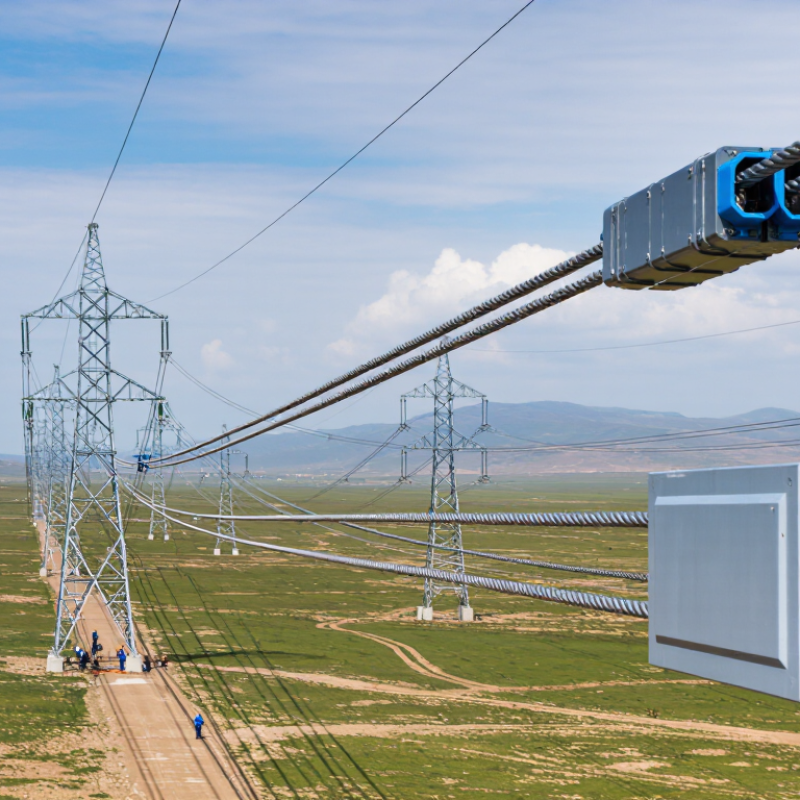
China Top OPGW Manufacturers for Transmission Lines?

OPGW Basics and Its Role in Transmission Lines

OPGW Basics and Its Role in Transmission Lines

Optical Ground Wire, or OPGW, combines overhead grounding with fiber-optic communication. It usually runs along the highest point of a transmission tower. Its metal layers help carry lightning current safely toward grounding systems. Inside, protected optical fibers transmit voice, data, protection signals, and remote monitoring information.

A well-designed OPGW supports fast fault-location systems and substation communication. It can also connect control centers across long, exposed routes. During installation, crews must check sag, tension, pulling speed, and bending radius. Small errors can damage fibers without leaving visible marks. After splicing, technicians commonly use OTDR testing and inspect every joint closure.

For transmission projects, reliable manufacturing involves more than fiber count. Engineers should review short-circuit capacity, rated tensile strength, corrosion resistance, and compatibility with existing tower hardware. Aluminum alloy wires may reduce weight, while steel elements provide mechanical strength. The correct balance depends on span length, wind, ice, and local temperature.

One detail is easy to miss. Higher fiber capacity does not always mean better performance. Poor installation records can weaken an otherwise excellent cable. In field work, documentation sometimes receives less attention than the drum inspection. That is a mistake worth correcting. Experienced suppliers should provide test reports, production traceability, installation guidance, and responsive technical support. Their quality systems should be clear, not merely advertised.

Key Criteria for Evaluating OPGW Manufacturers in China

China Top OPGW Manufacturers for Transmission Lines?

Key Criteria for Evaluating OPGW Manufacturers in China

Choosing an OPGW manufacturer requires more than comparing prices. Check production experience, engineering capability, and documented performance. A reliable supplier should explain fiber count, aluminum area, rated tensile strength, and short-circuit capacity clearly. Vague answers deserve caution.

Request factory audit records, type-test reports, and batch inspection data. Confirm testing follows applicable IEC or equivalent international requirements. Look for controlled fiber handling, stable stranding equipment, and traceable raw materials. Small details matter. A clean production line is useful evidence, but it is not enough.

Evaluate designs against local span lengths, wind loads, icing, and lightning conditions. Ask for sag-tension calculations and installation guidance based on actual project data. Experienced engineers should discuss joint boxes, grounding, corrosion protection, and emergency repair procedures. Field references can reveal problems that brochures hide.

Price should be reviewed with delivery reliability and warranty response. Check whether the manufacturer can supply consistent quality across repeated orders. Independent laboratory verification adds confidence, especially for large transmission projects. Still, no supplier gets everything right. Test assumptions, inspect samples, and record unanswered questions before signing. A polished catalog is not proof.

Leading Chinese OPGW Manufacturers and Their Product Strengths

China’s OPGW manufacturers serve a growing transmission market with strong engineering depth. The International Energy Agency’s Electricity 2024 report projects global electricity demand will grow by about 4% annually through 2026. That growth increases demand for reliable overhead ground wires with communication capacity.

Leading Chinese manufacturers usually compete through customized designs, not only low prices. Their factories commonly offer aluminum-clad steel wires, aluminum alloy tubes, and central stainless-steel tubes. These structures support different span lengths, lightning conditions, and fiber counts. Many suppliers provide 24, 48, or more optical fibers. Some also produce high-tensile designs for mountainous routes.

Testing strength matters more than polished brochures. Qualified suppliers should demonstrate tensile, crush, vibration, temperature-cycle, and short-circuit performance under IEC 60794-4-10 requirements. Factory records should show fiber attenuation, sealing quality, and batch traceability. MarketsandMarkets’ Optical Ground Wire Market analysis identifies grid modernization and smart-grid communication as major growth drivers. Yet forecasts vary by methodology. That deserves caution.

A practical buyer should request sample cables and independent test reports. Site experience is valuable. Ask how the supplier handled ice loading, corrosion, and difficult tower access. A catalogue can look convincing. It is not proof. Some manufacturers offer excellent mechanical performance but weaker documentation. Others communicate well but lack long-term field evidence. That gap requires honest review before procurement.

Manufacturing Standards, Testing, and Quality Control

Reliable OPGW manufacturing begins with clearly defined standards. Production should follow applicable IEC requirements, utility specifications, and verified project drawings. ISO 9001 systems can support controlled processes, but certification alone proves little. Engineers must review fiber type, aluminum alloy, steel strength, strand diameter, and rated tensile strength before production.

Testing should reflect field conditions. Factories commonly check optical attenuation, tensile performance, crush resistance, torsion, vibration, temperature cycling, and lightning exposure. A short-circuit test can reveal heat damage around the optical unit. Dimensional checks matter too. Small diameter variations may complicate tower hardware installation. Test equipment needs calibration, and independent laboratories using ISO/IEC 17025 practices can improve confidence. Still, no test perfectly reproduces decades of wind, ice, and pollution. That limitation deserves honest discussion.

Tips: Request batch-level test reports, not only sample certificates. Confirm fiber attenuation before and after mechanical testing. Inspect fiber tubes, sealing compounds, and strand surfaces during factory audits. Ask how rejected reels are isolated and recorded. Traceability should connect each reel to raw materials, operators, equipment, and inspection results. A practical concern remains: rushed inspections can miss gradual process drift. Regular audits and witnessed testing provide stronger evidence than attractive paperwork. Credible manufacturers explain failures openly and adjust production records when results fall short.

How to Select the Right Chinese OPGW Supplier

China Top OPGW Manufacturers for Transmission Lines?

Selecting the right Chinese OPGW supplier requires more than comparing prices. The IEA’s Electricity Grids and Secure Energy Transitions report estimates that over 80 million kilometres of grids must be added or refurbished by 2040. This creates strong demand for reliable overhead ground wire. Ask suppliers for documented tensile strength, fibre attenuation, aluminium-clad steel specifications, and sag-tension calculations. These details matter when conductors face long spans, ice, wind, and daily temperature changes.

Review compliance with IEC 60794-4-10 and request recent type-test reports from independent laboratories. A serious manufacturer should explain its fibre protection design, tube filling compound, corrosion resistance, and lightning-current performance. Factory experience also matters. Check production records, calibration certificates, incoming-material controls, and batch traceability. A video tour is useful, but an on-site audit gives stronger evidence. It may reveal ordinary issues, such as poor storage or unclear labelling.

Tips: Compare complete technical offers, not unit prices. Request samples from the same production line. Confirm the fibre count, drum length, delivery schedule, warranty terms, and export documents. Ask for a sample factory acceptance test plan. Do not accept vague claims like “international quality.” Require measurable limits and test methods. A low quotation can hide weaker materials or expensive field installation. No checklist is perfect. Recheck assumptions with the transmission owner and the installation contractor before signing.

Warning!

You are using an outdated browser. Things may not appear as intended. We recommend updating your browser to the latest version.

Close