Top 10 Precision Metal Fabrication Techniques You Should Know?

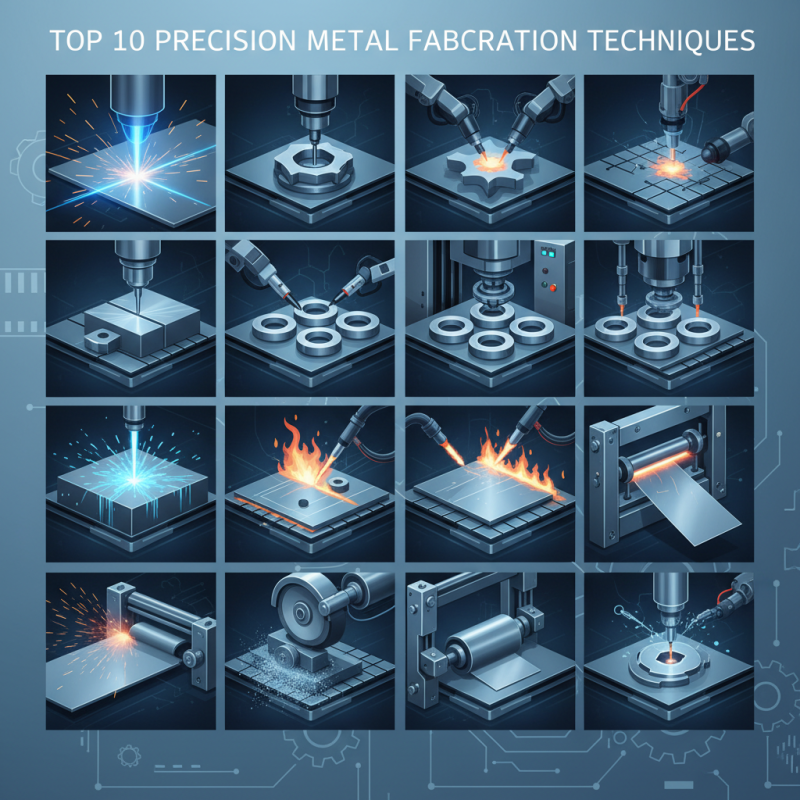
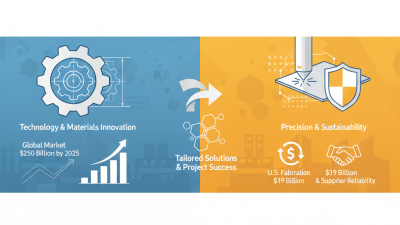
Precision metal fabrication is a crucial aspect of modern manufacturing. According to a recent report by MarketsandMarkets, the global precision metal fabrication market is expected to reach $23.29 billion by 2025, growing at a CAGR of 3.1%. This growth highlights the increasing demand for high-quality metal components across various industries, including automotive, aerospace, and healthcare.

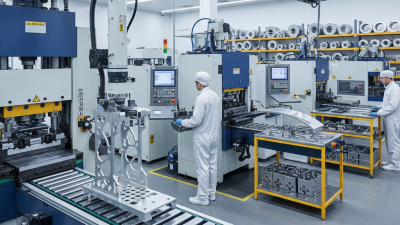
The techniques used in precision metal fabrication are diverse and innovative. They range from laser cutting and CNC machining to welding and stamping. Each method has its unique strengths and is chosen based on specific project requirements. For instance, laser cutting is favored for its speed and accuracy, while CNC machining excels in creating complex shapes.

However, mastering these techniques can pose challenges. Companies often struggle with integrating new technologies and training personnel. Balancing cost and quality remains a critical issue. As competition intensifies, understanding the nuances of precision metal fabrication becomes essential for success in this dynamic landscape.
Top 10 Precision Metal Fabrication Techniques You Should Know?

Understanding Precision Metal Fabrication Techniques

Precision metal fabrication is an intricate process that requires deep understanding and technical expertise. Each technique has its own strengths. For instance, laser cutting is precise and efficient, cutting materials to exact specifications. However, it may not be ideal for thick metals. Meanwhile, CNC machining provides high versatility. It can produce complex shapes but might require longer lead times.

Welding is another critical technique in precision metal fabrication. It creates strong joints but relies heavily on the skill of the operator. A minor mistake can lead to significant issues. Sheet metal forming is essential in many industries. It allows for customization but depends on proper tooling.

Each method has its challenges. Expertise in different technologies is crucial for success in this field. Understanding the limitations of each technique can help in making informed decisions. Knowledge gaps can lead to wasted resources or faulty products. Reflecting on these aspects helps fabricators to improve continuously. Wanting perfection in every project is reasonable, but acknowledging imperfections can drive growth.
Laser Cutting: Efficiency and Precision in Metal Fabrication

Top 10 Precision Metal Fabrication Techniques You Should Know?

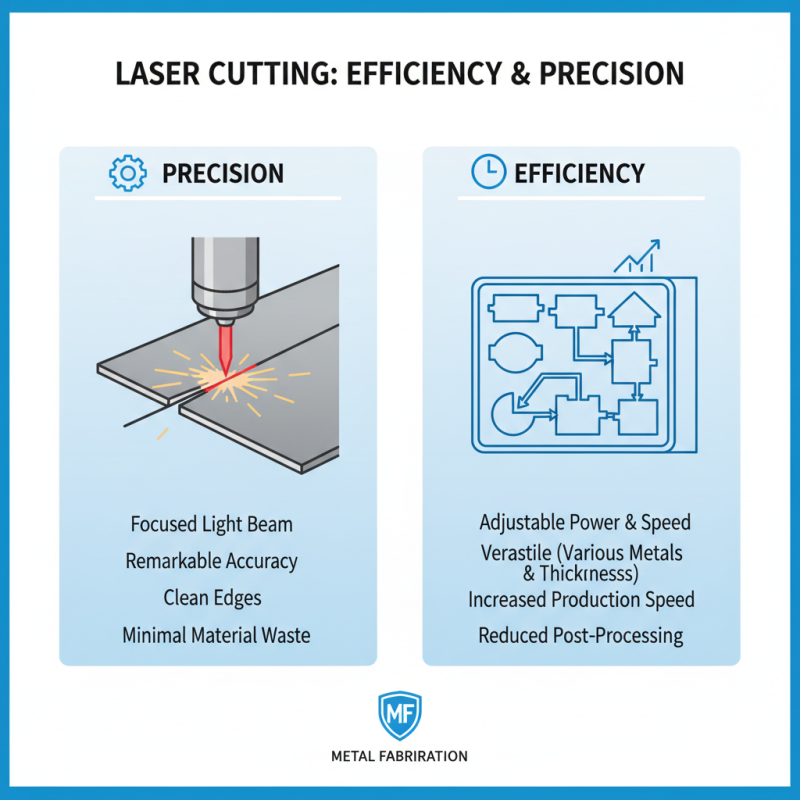
Laser cutting stands out as a top technique in precision metal fabrication. It uses a focused beam of light to slice through metals with remarkable accuracy. Skilled operators adjust the laser’s power and speed for different metal types and thicknesses. This flexibility ensures clean edges and minimal waste, boosting efficiency.

The key advantage of laser cutting lies in its precision. It can create intricate patterns that other methods struggle to achieve. However, the process demands careful calibration and quality control. If settings are off, the metal edges may become rough or distorted, causing delays in production. Continuous monitoring and experience help avoid these issues, though errors can still happen.

Despite its benefits, laser cutting isn’t perfect. Some metals reflect the laser, reducing effectiveness. Additionally, thicker materials may require slower cutting speeds to maintain quality. Understanding these limitations is essential for fabricators aiming to optimize their workflow and output. Overall, laser cutting remains a reliable choice for precision metalwork, but it requires skilled hands and thoughtful application.

CNC Machining: The Backbone of Modern Manufacturing Techniques

Top 10 Precision Metal Fabrication Techniques You Should Know?

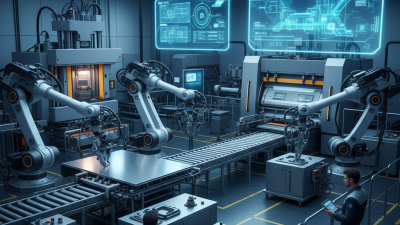
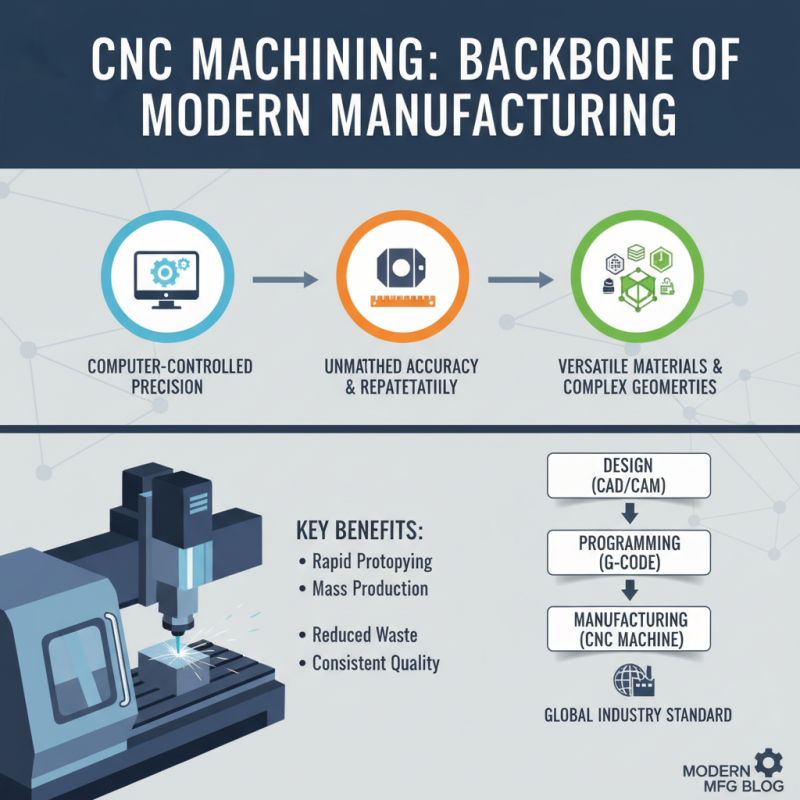
CNC machining is a game changer in the world of manufacturing. This technique uses computer-controlled machines to create precise parts. It brings unmatched accuracy to metal fabrication. With the ability to work on various materials, CNC machining can produce complex geometries effortlessly.

While CNC technology is highly effective, it does have its limitations. The initial cost of raw materials can be high. Additionally, programming the machines requires skilled personnel. This is where human expertise plays a crucial role. It's not just about the machines; understanding the nuances of machining is essential.

Dependence on technology can sometimes lead to overconfidence. Operators might skip manual checks, assuming the machines are flawless. However, errors in programming or setup can result in significant waste. It's essential to balance technology and human oversight to ensure quality and efficiency in production.

Welding Methods: Joining Metals with Precision and Strength

Welding is a critical skill in metal fabrication, focusing on the precise joining of metals. Various methods are used to achieve strong, durable connections. Each technique comes with its advantages and nuances. Understanding these can elevate your projects significantly.

MIG welding is popular due to its versatility and speed. This method uses a continuously fed wire to create a strong bond. However, it may not be ideal for very thick metals. On the other hand, TIG welding provides high precision, making it perfect for intricate designs. The process requires more skill and attention. This can lead to frustration for beginners.

Here are some tips: Always clean your metal surfaces before welding. This enhances the bond quality. Practice on scrap materials to refine your technique. Each session builds your skill. Take your time with settings; adjustments can significantly impact results. Don't be afraid to seek feedback from peers. Constructive criticism can illuminate areas for improvement and help you grow.

Top 10 Precision Metal Fabrication Techniques You Should Know

Technique Description Applications Advantages
TIG Welding Tungsten Inert Gas welding uses a non-consumable tungsten electrode to produce the weld. Aerospace, automotive, and art sculpture. High precision, suitable for thin materials.
MIG Welding Metal Inert Gas welding uses a continuous feed of a consumable wire electrode. Manufacturing, fabrication shops, and automotive repairs. Speed of operation, ease of use, and versatility.
Spot Welding Joins metal sheets by applying pressure and using an electrical current. Automotive assembly and sheet metal fabrication. Fast process with minimal heat distortion.
Laser Cutting Uses a laser to cut materials with high precision. Electronics, jewelry, and automotive parts. High accuracy, reduces waste material.
Plasma Cutting Uses a high-velocity jet of ionized gas to cut metal. Metal fabrication and repair shops. Cuts through thick materials and offers speed.
Water Jet Cutting Uses high-pressure water to cut through materials. Aerospace, automotive, and stone cutting. No heat-affected zone, versatile for various materials.
Brazing Joins metals using a filler metal above 450°C without melting the base metals. HVAC, plumbing, and electronic components. Strong joints with lower thermal distortion.
Soldering Uses melted filler metal to join electrical components at low temperatures. Electronics and plumbing. Cost-effective and precise for small joints.
Sheet Metal Forming Shaping metal sheets using various techniques like bending and stamping. Automotive body panels and appliances. High production efficiency with minimal waste.
Machining Involves cutting, grinding, and drilling to create precision parts. Aerospace components and custom parts. High precision and capability to create complex shapes.

Sheet Metal Forming: Techniques for Versatile Fabrication Solutions

Sheet metal forming is a crucial technique in precision metal fabrication. This process involves shaping metal sheets into desired forms, creating components for various industries. Techniques include bending, stamping, and deep drawing. Each method has its strengths and weaknesses, making it essential to choose the right one for the application.

Bending is popular for its simplicity and efficiency. It can be done with minimal tooling, allowing for rapid production. However, achieving consistent angles can be a challenge.

Stamping, on the other hand, excels in high-volume production but requires precise dies, which can be costly.

Deep drawing is excellent for creating complex shapes but may lead to thinning of the material, requiring careful consideration of thickness and material properties.

Understanding these techniques' nuances enhances overall fabrication quality. Each technique has its limitations, and skilled operators must address challenges as they arise. Continued experimentation and adjustment are vital to mastering sheet metal forming. The right balance of precision and creativity ensures effective and versatile fabrication solutions.

Warning!

You are using an outdated browser. Things may not appear as intended. We recommend updating your browser to the latest version.

Close