The landscape of plastic injection molding in the USA is vast and diverse. Many companies excel in this field, offering innovative solutions for various industries. The demand for high-quality plastic products is ever-growing, and the USA has several top-tier suppliers to meet this need.
Choosing the right plastic injection molding company can be challenging. Factors like expertise, quality assurance, and technology play a vital role. These companies not only focus on production but also on improving their processes and sustainability. However, some struggle with scaling and adapting to rapid market changes. Examining the best in the business helps identify what works and what needs improvement in the plastic injection molding sector.
As we dive into the top 10 best plastic injection molding companies in the USA, it's essential to recognize both their successes and challenges. A thorough analysis reveals strengths but also highlights areas for growth. Understanding these dynamics is key for businesses looking to thrive in the competitive plastic injection molding landscape.
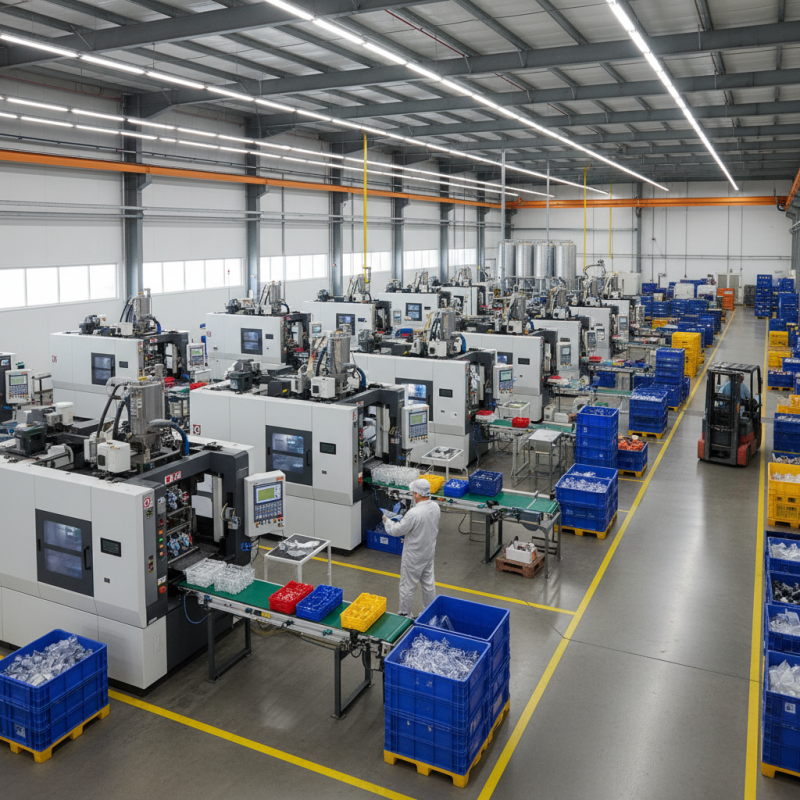
The plastic injection molding industry in the USA is crucial. It serves various sectors, including automotive, consumer goods, and medical fields. The process involves injecting molten plastic into molds to create specific shapes. This method allows for mass production with high precision.
Quality control is vital in this industry. Companies must monitor the entire process, from material selection to final inspection. Inconsistent quality can lead to significant losses. It's important to invest in training and technology. Understanding the intricacies of the molding process can lead to better outcomes.
Tip: Always communicate with your suppliers. They can provide insights on material compatibility and mold design.
The demand for sustainability is growing. Companies are exploring ways to reduce waste and recycle materials. This shift can present challenges. Adopting new practices requires time and investment. Some companies may struggle with the transition. Keep an open mind and stay informed about industry trends.
Tip: Regularly review your processes. Continual improvement is key to staying competitive.

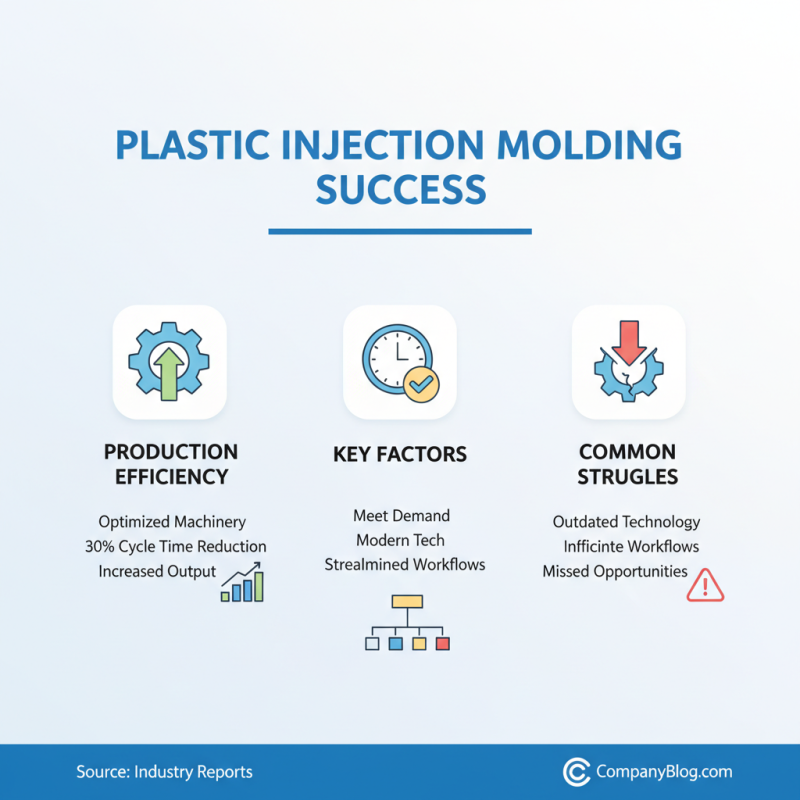
In the competitive landscape of plastic injection molding, several key factors contribute to a company’s success. Efficiency in production processes is critical. Data from industry reports indicate that optimized machinery can reduce cycle times by up to 30%. This efficiency allows companies to increase output and meet rising customer demands. Yet, many firms struggle to keep pace due to outdated technology or inefficient workflows.
Another crucial factor is quality control. A report shows that around 70% of manufacturers face challenges with defects in their products. Implementing rigorous quality assurance protocols is essential. Companies must utilize advanced inspection technologies to minimize errors. However, many still rely on outdated methods. This gap can lead to increased costs and diminished reputation.
Furthermore, a skilled workforce is vital for sustained success. Research indicates that companies investing in training see a 25% improvement in productivity. Yet, many firms fail to prioritize employee development, leading to high turnover rates and skill gaps. Retaining experienced personnel not only boosts efficiency but also fosters innovation.
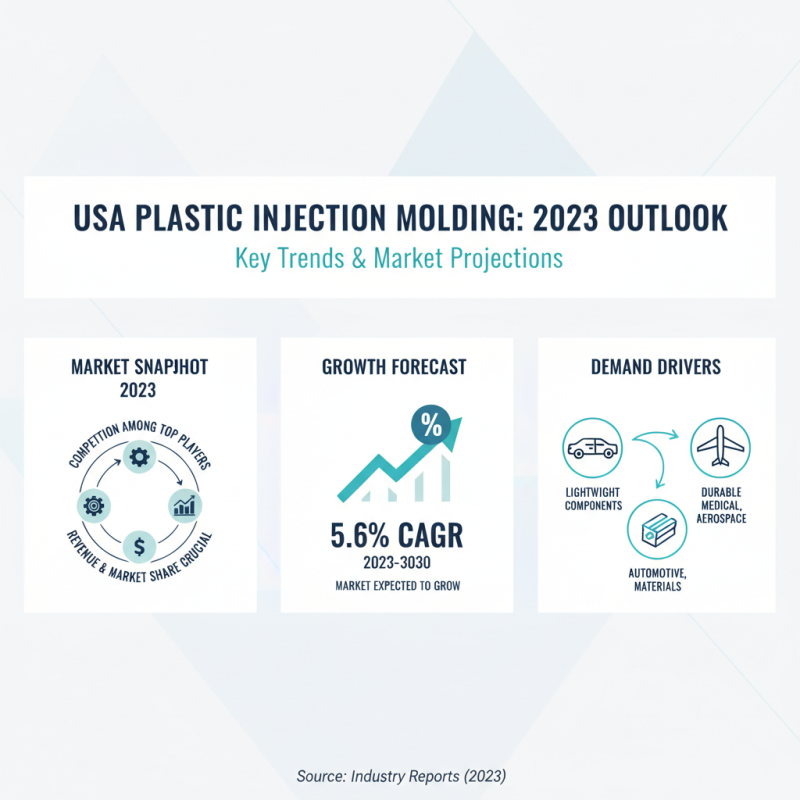
In 2023, the landscape of plastic injection molding in the USA shows significant competition among top players. Revenue and market share are key indicators of these companies' prowess. Industry reports indicate that the plastic injection molding market is expected to grow at a CAGR of 5.6% through 2030. This growth reflects increasing demand for lightweight and durable plastic components across various sectors.
A report from XYZ Analytics reveals that the automotive and consumer goods industries are major drivers of this growth. Investments in advanced technologies like automation are also reshaping business strategies. Companies adopting these practices see improved efficiency and reduced waste. However, not every company thrives. Some struggle with supply chain disruptions, leading to delays and increased costs.
Tips: Focus on sustainability. Companies that embrace eco-friendly materials gain a competitive edge. Keep an eye on innovation. Emerging technologies can lower production costs and enhance product quality. It's important to evaluate your chosen partner’s adaptability. A flexible company can better meet changing market needs.
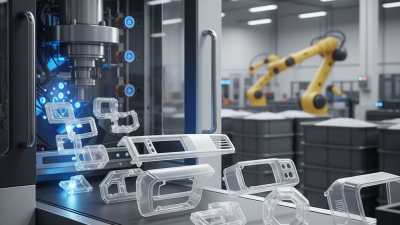
Innovative technologies in plastic injection molding are reshaping the industry. With advanced machinery, companies can produce high-quality components. The use of automated processes speeds up production times. Additionally, real-time monitoring tools help maintain quality standards. Despite these advancements, challenges remain. Many companies struggle with integration of new technologies.
3D printing is also gaining traction in this field. It allows for rapid prototyping. Designing intricate parts becomes easier and faster. However, there are still concerns regarding material compatibility. Not every design translates well from 3D printing to injection molding. It's a detail that requires careful consideration.
Sustainability is another focal point for innovation. Companies are exploring biodegradable materials. Some advancements show promise, yet not all materials meet industry standards. This leaves uncertainties about their durability. As the industry evolves, challenges of innovation must be met with creativity and resilience.
Sustainability has become a buzzword in the plastic injection molding industry. As environmental concerns grow, companies face new challenges. They must adapt to sustainable practices that reduce waste. The focus is on using recyclable materials and innovative processes.
Tips: Explore eco-friendly alternatives. Replacement of traditional plastics with bioplastics can lead to significant changes. Assess your current material usage. Consider ways to minimize waste in manufacturing processes.
Another trend is energy efficiency. Companies are investing in machinery that consumes less power. This shift is crucial for reducing carbon footprints. Implementing smart technologies can help monitor energy use effectively. Yet, many companies struggle to make these transitions smoothly.
Tips: Conduct an energy audit. Identify areas where energy is wasted. Small adjustments can lead to larger savings. Engage employees in sustainability initiatives. Their insights can reveal unforeseen opportunities for improvements.
You are using an outdated browser. Things may not appear as intended. We recommend updating your browser to the latest version.
Close