China Top 10 90° Peel Strength Tester Suppliers
Choosing a reliable supplier requires more than comparing prices or counting product listings. A 90° Peel Strength Tester must produce stable, repeatable results under controlled conditions. Force accuracy, pulling speed, fixture alignment, and data recording all affect the final value.
Steven Abbott, a recognized adhesion scientist, states, “Adhesion is a surface phenomenon.” That short observation matters. A clean film, uneven substrate, or poorly conditioned adhesive can change the test curve before the machine begins. Experienced laboratories therefore examine temperature control, sample preparation, calibration records, and software traceability. Small details matter.
This guide introduces China’s top 10 90° Peel Strength Tester suppliers through a practical purchasing lens. It considers instrument design, compliance support, manufacturing experience, customization, after-sales service, and user feedback. Suppliers may offer similar specifications, yet their actual performance can differ during daily testing. A rigid frame is useful. Accurate force measurement is essential.
Relevant methods, including ASTM D6862 and company-specific procedures, should be reviewed before ordering. Buyers should also confirm load-cell range, peel angle stability, travel length, fixture materials, and report formats. These points are easy to overlook.
No ranking is perfect.
Supplier information changes. Some manufacturers publish limited technical evidence, while others provide detailed calibration and validation documents. That difference deserves attention. The strongest choice is not always the cheapest or most famous supplier. It is the supplier that can explain its measurements clearly and support consistent results after installation.
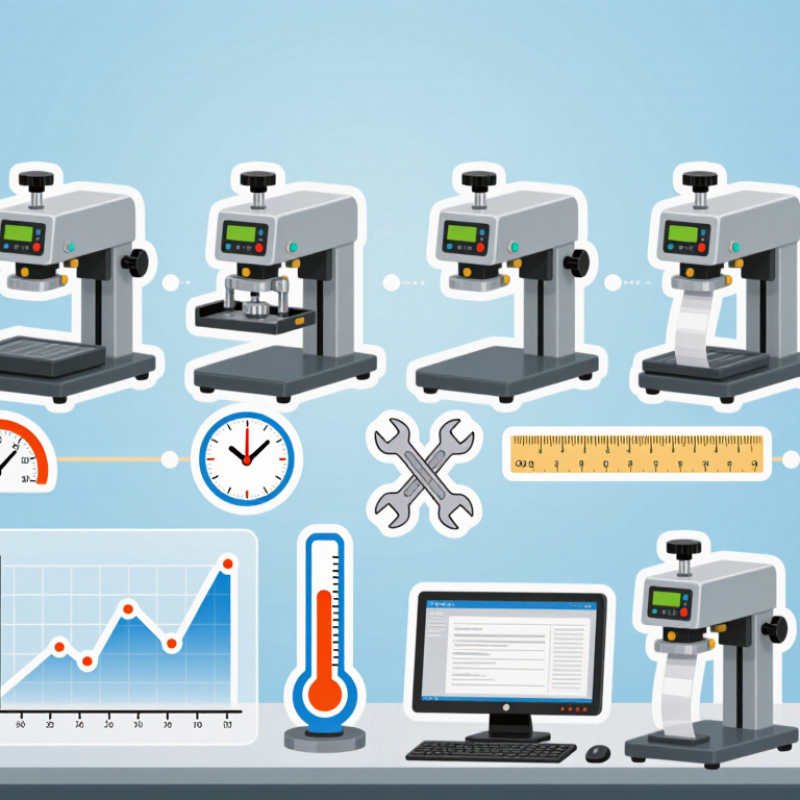
What Is a 90° Peel Strength Tester and How Does It Work?
A 90° peel strength tester measures the force needed to separate two bonded materials at a right angle. It is widely used for labels, films, tapes, laminates, and flexible packaging. The test begins with a prepared strip, often 25 mm wide. One end is fixed, while the machine pulls the other end upward at a controlled speed. A load cell records the changing force in newtons, usually reported as N/25 mm.
The result is not just one number. Technicians examine the average peel force, peak force, and failure mode. Adhesive failure leaves a clean surface; cohesive failure leaves adhesive residue. ASTM D6862 and ISO 8510-1 provide recognized procedures for 90° peel testing. A 2024 packaging industry review by Smithers highlights stronger demand for measurable seal and adhesive performance as flexible packaging expands. Market reports from Grand View Research also show steady growth in packaging testing, driven by quality control and material reduction.
Small details can change the result. Temperature, dwell time, cutting accuracy, and pulling speed matter. A dusty film can produce a misleadingly weak value. Even a well-calibrated tester cannot correct poor sample preparation. That is the uncomfortable part. Results may look precise while the test setup remains inconsistent. Experienced laboratories therefore condition samples, verify alignment, and record failure patterns beside the numerical data.
How to Evaluate China’s Top 10 90° Peel Strength Tester Suppliers
Evaluating China’s top 10 90° peel strength tester suppliers requires more than comparing catalog prices. Inspect the machine’s frame, peel arm, load cell, and fixture alignment. A rigid frame helps maintain a true 90° angle during testing. The load cell should match the expected force range, not merely offer the highest capacity. Ask for calibration certificates with traceability to recognized national or international standards. Request recent test data, not only a product brochure.
Supplier experience becomes visible during technical discussions. Can the engineering team explain sampling rates, travel speed, data filtering, and software export formats? Check whether the system supports relevant methods, such as ASTM D3330 or ISO 8510-1, when applicable to your material. Examine the control interface closely. Clear force-distance curves, raw-data access, and automatic average calculations reduce reporting errors. A supplier should also provide installation guidance, operator training, spare-part availability, and a realistic response time for service requests.
Factory verification adds useful evidence. Review assembly records, inspection procedures, and final testing videos. A live demonstration using adhesive tape, film, or label stock can reveal vibration and slippage. A polished demo can mislead. Ask for repeatability results from several identical samples. Some suppliers may avoid sharing failure data, yet those results often expose the instrument’s limits. I would also compare warranty terms carefully; inexpensive equipment can become costly when calibration or replacement parts are unclear. Supplier selection should remain evidence-based, even when a familiar sales presentation feels convincing.
China Top 10 90° Peel Strength Tester Suppliers - How to Evaluate China’s Top 10 90° Peel Strength Tester Suppliers
Comparative evaluation framework based on commonly specified technical, quality, delivery, and after-sales criteria for 90° peel strength testing equipment.
| Rank | Anonymous Supplier ID | Typical Load Capacity | Peel Angle | Peel Speed Range | Force Resolution | Relevant Test Standards Supported | Calibration Documentation | Control & Data Export | Typical Warranty | Estimated Lead Time | Technical Support | Weighted Evaluation Score |
| 1 | Supplier 01 | 0–500 N | 90° fixed | 10–500 mm/min | 0.01 N | ASTM D3330; ISO 8510-1 | Traceable certificate available | Digital display; USB/CSV export | 12 months | 15–25 working days | Remote commissioning included | 92/100 |
| 2 | Supplier 02 | 0–200 N | 90° fixed | 10–300 mm/min | 0.01 N | ASTM D3330; FINAT FTM 2 | Calibration report included | Touchscreen; USB export | 12 months | 20–30 working days | Application support available | 89/100 |
| 3 | Supplier 03 | 0–500 N | 90° fixed | 5–500 mm/min | 0.02 N | ASTM D3330; ISO 8510-1 | Certificate available on request | PC software; USB export | 12 months | 20–35 working days | Remote support available | 87/100 |
| 4 | Supplier 04 | 0–100 N | 90° fixed | 10–500 mm/min | 0.01 N | ASTM D3330; FINAT FTM 2 | Factory calibration report | Digital display; software optional | 12 months | 15–30 working days | Spare-parts guidance provided | 85/100 |
| 5 | Supplier 05 | 0–200 N | 90° fixed | 10–300 mm/min | 0.02 N | ASTM D3330; ISO 8510-1 | Internal calibration record | Touchscreen; data storage | 12 months | 25–35 working days | Standard email support | 82/100 |
| 6 | Supplier 06 | 0–500 N | 90° fixed | 10–500 mm/min | 0.05 N | ASTM D3330 | Calibration report optional | Digital display; USB export | 12 months | 25–40 working days | Basic remote support | 79/100 |
| 7 | Supplier 07 | 0–100 N | 90° fixed | 10–500 mm/min | 0.02 N | ASTM D3330; FINAT FTM 2 | Factory report included | Digital display; manual recording | 12 months | 20–35 working days | Documentation support | 77/100 |
| 8 | Supplier 08 | 0–200 N | 90° fixed | 10–300 mm/min | 0.05 N | ASTM D3330 | Available at additional cost | Digital display; USB export | 12 months | 30–45 working days | Email support | 74/100 |
| 9 | Supplier 09 | 0–100 N | 90° fixed | 5–300 mm/min | 0.05 N | ASTM D3330; ISO 8510-1 | Factory calibration record | Digital display; software optional | 12 months | 30–45 working days | Basic operating guidance | 72/100 |
| 10 | Supplier 10 | 0–500 N | 90° fixed | 10–300 mm/min | 0.05 N | ASTM D3330 | Report supplied upon request | Digital display; manual data transfer | 12 months | 35–50 working days | Standard after-sales service | 69/100 |
Buying Considerations, Quality Checks, and After-Sales Support
When comparing China’s top 10 90° peel strength tester suppliers, focus on measurement reliability, not catalog claims. A dependable supplier should explain load-cell capacity, peeling speed, sample width, and angle control clearly. Ask for calibration certificates linked to recognized standards. Request raw test data, not only attractive charts. A stable instrument should maintain a true 90° angle during repeated tests. Small alignment errors can change the result.
Inspect the tester before purchase, if possible. Check the frame, roller, clamps, emergency stop, and software interface. Run several samples with known adhesive behavior. Results should remain consistent across repeated trials. Confirm whether the system supports your film, tape, foil, or laminated material. Some suppliers provide excellent hardware but weak software support. That difference appears later, when data exports fail or settings disappear. After-sales service should include installation guidance, remote troubleshooting, operator training, spare-part availability, and a clear repair process. Response time matters more than polite promises.
Tips: Ask for a live video test using your material. Confirm calibration intervals and costs in writing. Check whether replacement load cells are readily available. Keep one sample batch for supplier verification. The cheapest offer may not be cheaper after software updates, shipping, and downtime. I have found that buyers often overlook fixture alignment during factory acceptance. That mistake is easy to make, and expensive to correct. Capture test settings, photos, and raw files before approving the order.
China Top 10 90° Peel Strength Tester Suppliers: Evaluation Priorities
This chart presents an illustrative procurement framework for comparing 90° peel strength tester suppliers in China. The percentages represent practical evaluation priorities rather than company or brand performance data.
Buyers should verify the tester’s 90° peel configuration, force-measurement accuracy, speed stability, fixture compatibility, calibration documentation, operator safety, spare-parts availability, installation support, and response time for technical service before making a final purchasing decision.