Top Tips for Choosing the Best Pick And Place Machine?
Choosing the right Pick And Place Machine is vital for modern manufacturing. Industry reports suggest that automated systems have increased production efficiency by up to 50%. These machines handle components with precision, reducing human error and enhancing productivity. With technological advancements, there are various options available in the market.
When selecting a Pick And Place Machine, consider factors like speed, flexibility, and compatibility. According to recent studies, companies that invest in automation see a return on investment within 18 months. However, not all machines fit every application. It can be challenging to match the right machine with specific operational needs.
Inadequate research may lead to regrettable choices. A mismatch can result in increased downtime and higher operational costs. Therefore, taking time to analyze your requirements and the machine’s capabilities is crucial. This approach can prevent costly mistakes and ensure a more streamlined production process.
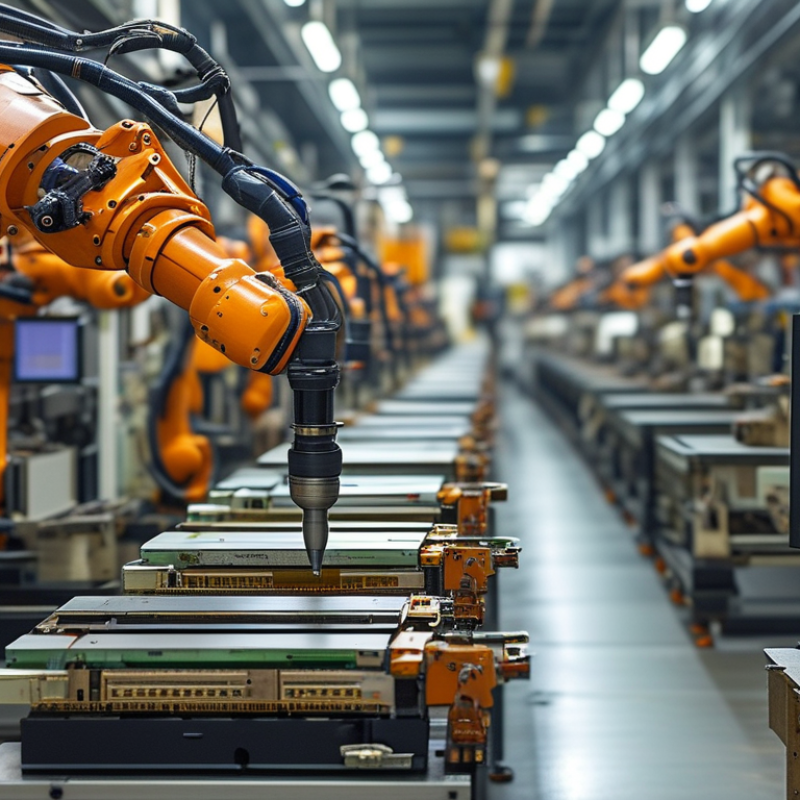
Understanding Pick And Place Machines: A Comprehensive Overview
Pick and Place Machines play a critical role in modern manufacturing. They automate the process of placing components onto circuit boards with precision. This efficiency reduces human error and speeds up production rates. These machines vary greatly in complexity and capabilities. Understanding these differences is vital when considering an investment.
One important aspect to evaluate is flexibility. Some machines can handle different components without major adjustments. This is crucial for manufacturers with diverse production lines. Another area to consider is the speed and accuracy of the machine. Speed affects the overall output; however, it cannot compromise placement precision. A machine that frequently misplaces components may cost more in the long run.
Maintenance is another ongoing concern. Some machines require extensive upkeep, while others are more user-friendly. It’s essential to consider the availability of technical support and replacement parts. This often overlooked factor can lead to potential downtime and loss of productivity. Investing in a reliable machine is not just about the initial cost but also about long-term sustainability and efficiency in production processes.
Key Factors to Consider When Selecting a Pick And Place Machine
When selecting a pick and place machine, several key factors demand attention. Speed and accuracy stand out as top priorities. Industry reports indicate that a machine with a high placement speed can boost production efficiency by up to 30%. It's critical to measure these specifications against your production needs. A machine that works well for one operation may not meet the requirements of another.
Flexibility is another important consideration. As the market evolves, the ability to handle different component types and sizes becomes essential. Data shows that manufacturers are shifting towards smaller batch productions. Therefore, a versatile machine can adapt and significantly reduce downtime. Additionally, examine the software integration of the machine. A user-friendly interface can streamline operations and reduce errors.
Cost is undeniably a factor, but it’s vital to evaluate long-term investment versus short-term savings. A cheaper machine may lack the durability or functionality needed for efficient production. Reports state that businesses often underestimate maintenance costs, which can lead to unexpected expenses down the line. Balancing these elements ensures you choose the right machine for sustained growth.
Analyzing the Importance of Speed and Precision in Machine Selection
Speed and precision are key factors when selecting a pick and place machine. A machine that operates quickly can significantly enhance production efficiency. However, speed should not compromise accuracy. A fast machine that misplaces components can create more issues. Therefore, striking a balance between these two elements is crucial.
When evaluating machines, consider their placement accuracy. A precision level of ±0.01 mm can make a difference in assembly lines. In contrast, a machine with lower precision might lead to costly errors. It’s also essential to assess how speed affects the overall workflow. A machine that can handle multiple components without sacrificing accuracy contributes to seamless operations.
Reflections on potential shortcomings are important too. Many operators overlook the need for regular calibration. A machine that is fast today may not maintain its speed without proper maintenance. Reliability is built over time through consistent checks and updates. Therefore, machine selection should include considerations for future upkeep and calibration needs.
Evaluating Cost vs. Performance: Making Informed Choices
Choosing the right pick and place machine requires a careful balance of cost and performance. Evaluating these two factors helps businesses make informed choices. The initial price is often the first consideration. However, the long-term performance and reliability of the machine play a crucial role in operational efficiency. A cheaper option might save money upfront but could lead to higher maintenance costs and lower productivity.
When assessing performance, look beyond the specifications. Consider the machine's speed, accuracy, and adaptability to different tasks. Integrating technology for real-time monitoring might add to initial costs but could enhance overall efficacy. Observing how machines function in real-world settings can provide valuable insights. Peer reviews and industry benchmarks can shed light on potential pitfalls that specifications alone might not reveal.
Always weigh the potential risks of underperformance against the initial cost savings. A machine that performs poorly could lead to wasted time and resources. It's not just about immediate savings; it's about the overall return on investment. Decisions should lean toward options that offer robust performance with reliable support, even if they come at a higher price. Engage with industry experts and gather data to shift your perspective—sometimes, a higher upfront cost can result in significant long-term benefits.
Top Tips for Choosing the Best Pick And Place Machine
| Machine Model | Cost ($) | Max Speed (KPPH) | Precision (μm) | Features |
| Model A | 15,000 | 10 | 50 | Automatic Feed, Vision System |
| Model B | 25,000 | 15 | 40 | Flexible Programming, High Precision |
| Model C | 18,000 | 12 | 55 | Auto Adjust, User-Friendly Interface |
| Model D | 30,000 | 20 | 35 | Multiple Head Options, Compact Design |
Assessing Operator Ease of Use and Maintenance Requirements
When selecting a pick and place machine, operator ease of use is paramount. A user-friendly interface can enhance productivity and minimize training time. Machines with intuitive controls often lead to fewer operator errors. Operators should feel confident navigating the system, especially during setup times. It’s beneficial to evaluate machines that feature clear labeling and straightforward workflows.
Maintenance requirements also play a crucial role in the decision-making process. Regular upkeep is vital to ensure longevity. Too often, complex machines require specialized knowledge for basic repairs. This can lead to unnecessary downtime. A good machine should allow operators to perform routine tasks without extensive training. Check how easily accessible the machine’s components are for cleaning and part replacement.
While advanced features may seem appealing, they can complicate usability. It’s essential to strike a balance between high-tech capabilities and simplicity. Reflecting on past experiences can help operators identify potential challenges with new equipment. Choosing a machine that balances ease of use with maintenance demands is not just smart; it’s essential for sustained productivity.