What is Small Part Machining and Why Does It Matter?
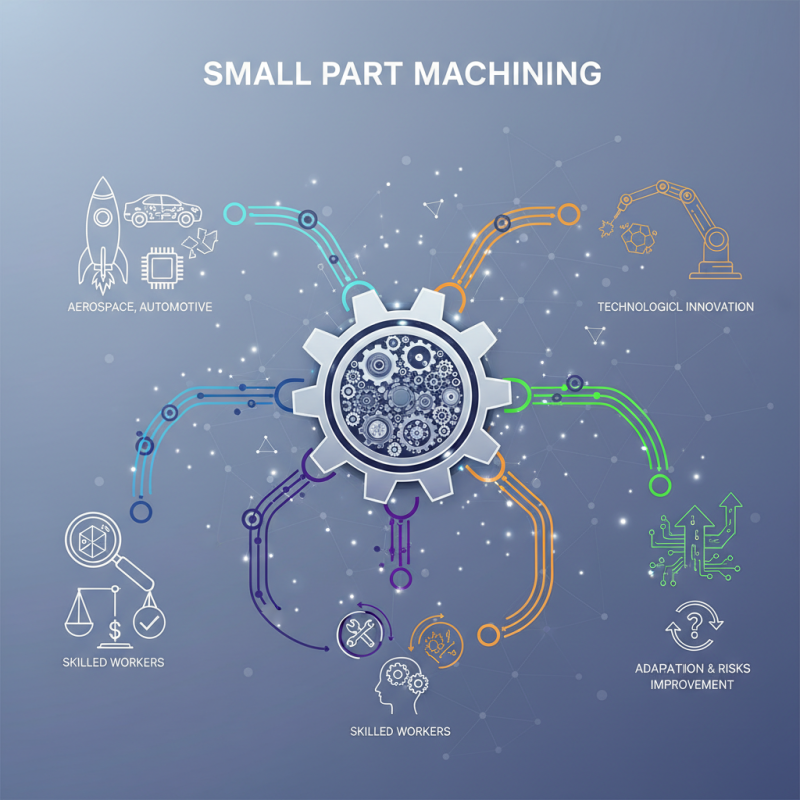
Small part machining is a critical process in modern manufacturing. It involves creating precise components from various materials. These parts are often used in industries like aerospace, automotive, and electronics. The demand for small, intricate parts continues to grow. Companies need to ensure they can produce high-quality components efficiently.
One challenge in small part machining is achieving accuracy. Even the tiniest errors can lead to significant problems. Manufacturers must invest in advanced machinery and skilled workers. Every detail matters. The balance between cost and quality must be carefully managed. Mistakes can result in wasted materials and time.
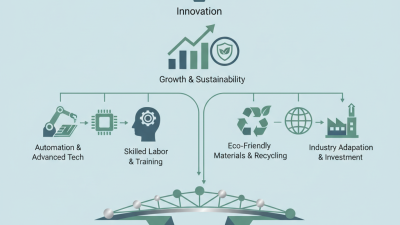
Additionally, the impact of technology cannot be ignored. Innovations in machining techniques are transforming the industry. Robotics, for instance, enhance precision and speed. However, adapting to new technology can also pose risks. Small part machining is essential for many products, yet it requires continuous improvement and innovation. Balancing these factors is crucial for success.
What is Small Part Machining?
Small part machining refers to the precise manufacturing of small components. These parts are typically less than a specified length, usually around 5 inches. Industries such as aerospace, medical, and electronics heavily rely on small part machining. According to a report from Technavio, the global small part machining market is expected to grow by over 10% annually, reflecting its vital role in modern manufacturing.
This type of machining involves intricate processes like CNC machining, micro-milling, and turning. Each technique demands high precision and advanced technologies. For instance, micro-milling allows for tolerances of just a few microns. However, the precision required poses challenges. Companies often struggle with tool wear and precision maintenance. Even slight errors can lead to costly defects and rework.
Additionally, the demand for high-quality small parts continues to rise. A study by Grand View Research highlights that the medical device sector alone will drive significant growth in this market. Yet, with this growth comes the pressure to maximize production while minimizing costs. This balancing act can create bottlenecks in quality control. The need for innovation and efficiency is paramount, making small part machining a critical area of focus for industry leaders.
Applications of Small Part Machining Across Various Industries
Small part machining plays a crucial role in various industries, offering precision components that are essential for modern technology. In the aerospace sector, for example, small machined parts are vital. The global aerospace small parts market is projected to reach $3.5 billion by 2027, according to a recent analysis. Components like turbine blades and electronic housings, often under two inches in size, require exact specifications to ensure safety and efficiency.
The automotive industry relies heavily on small part machining as well. Over 60% of the parts in a typical vehicle are small components. These include fasteners, connectors, and precision gears. Small part machining enhances vehicle performance and safety. However, producing these components isn’t without challenges. Many manufacturers struggle with maintaining high tolerances while keeping production costs low. The need for advanced machinery and skilled labor is critical, yet often hard to fulfill.
In the medical field, small part machining produces intricate devices like surgical instruments and implants. The demand for precision is exceptionally high, as even the slightest error can have serious consequences. Reports indicate that the global market for medical device machining will reach $10 billion by 2025. However, the continuous push for innovation can sometimes lead to insufficient quality control. Companies must constantly evaluate their processes to ensure reliability and safety in these vital products.
Advantages of Precision in Small Part Machining
Small part machining is essential in numerous industries. It involves creating precise components used in devices ranging from electronics to automotive parts. Precision is crucial in this process. Small errors can lead to significant failures. Therefore, achieving accurate measurements and tolerances is vital.
The advantages of precision in small part machining are clear. High precision components enhance product quality and longevity. They also improve the performance of complex machinery. In sectors like aerospace, even minor inaccuracies can have severe repercussions. Precision protects against costly recalls and ensures safety.
However, achieving precision is not always straightforward. Factors such as tool wear and material properties can affect outcomes. Machinists must continuously adapt and refine their techniques. This constant need for improvement can be challenging but is necessary for success. It’s a process of learning and adjusting to ensure high standards. Mistakes are part of growth, pushing professionals to strive for better practices. This ongoing quest for precision ultimately shapes the industry's future.
Future Trends and Innovations in Small Part Machining
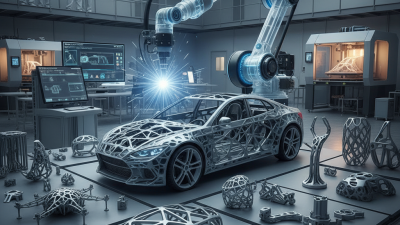
The future of small part machining is rapidly evolving. Innovations in materials and processes are taking center stage. For instance, the global small part manufacturing market is projected to reach $80 billion by 2028, driven by advancements in automation and precision technology. Companies are now focusing on using advanced materials such as titanium and high-performance composites. These materials enhance durability while reducing weight.
One significant trend is the integration of artificial intelligence in machining processes. AI helps optimize tool paths and minimizes waste. Studies show that AI can improve machining efficiency by up to 30%. This leads to cost savings and faster production cycles. As manufacturers adapt to these technologies, the challenge remains to balance innovation with quality control.
Tips: Consistently analyze the machining process to identify areas for optimization. This continuous improvement mindset is vital. Moreover, investing in skilled labor is essential. Workers with advanced training can effectively use new technologies, ensuring that innovations translate into high-quality products. Keeping an eye on industry benchmarks can also provide valuable insights. Innovations are exciting, yet embracing them requires careful consideration of the existing processes.
Small Part Machining Trends
This chart illustrates the projected growth in different sectors of small part machining over the next five years. The data shows increasing demand for precision components in various industries, highlighting the importance of innovation in machining techniques.