What is Sheet Metal Parts and How to Source Them?
Sheet metal parts play a crucial role in various industries, including automotive, aerospace, and construction. These durable components are made from thin sheets of metal, which can be cut, shaped, and finished to meet specific needs. Understanding sheet metal parts helps businesses streamline their production processes and enhance product quality.
When sourcing sheet metal parts, consider the material, thickness, and design complexity. Each factor impacts the final product's performance and cost. Selecting the right supplier is essential due to varying quality standards in the industry. A reliable partner will ensure that materials meet specifications and foster communication throughout production.
Despite the importance of these components, many organizations overlook potential pitfalls in sourcing. Misalignments in expectations can lead to costly revisions. Additionally, understanding the manufacturing process itself is vital for informed decision-making. By addressing these issues, companies can better leverage sheet metal parts in their projects, enhancing both efficiency and reliability.
What are Sheet Metal Parts?
Sheet metal parts are essential components used in various industries. They are crafted from flat sheets of metal through processes like cutting, bending, and shaping. The materials typically include stainless steel, aluminum, and copper. Each metal offers unique properties, affecting durability and weight. For example, aluminum is lightweight and resistant to corrosion, making it ideal for automotive applications.
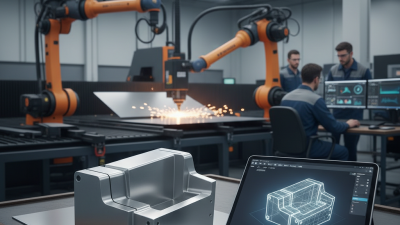
Creating sheet metal parts involves precision and expertise. Techniques such as laser cutting and CNC machining are common. These methods ensure accurate dimensions and high-quality surfaces. However, quality control is vital. A small error can lead to significant issues in assembly. It’s crucial to invest in reliable suppliers who prioritize craftsmanship and consistency.
Designing sheet metal parts requires careful consideration. Not all designs translate well into manufacturing. Simplified shapes often yield better results. Engaging with experienced professionals can mitigate potential pitfalls. They can guide you in choosing the right material and processes. A collaborative approach enhances the overall product quality and efficiency of sourcing these critical components.
Common Applications of Sheet Metal Parts
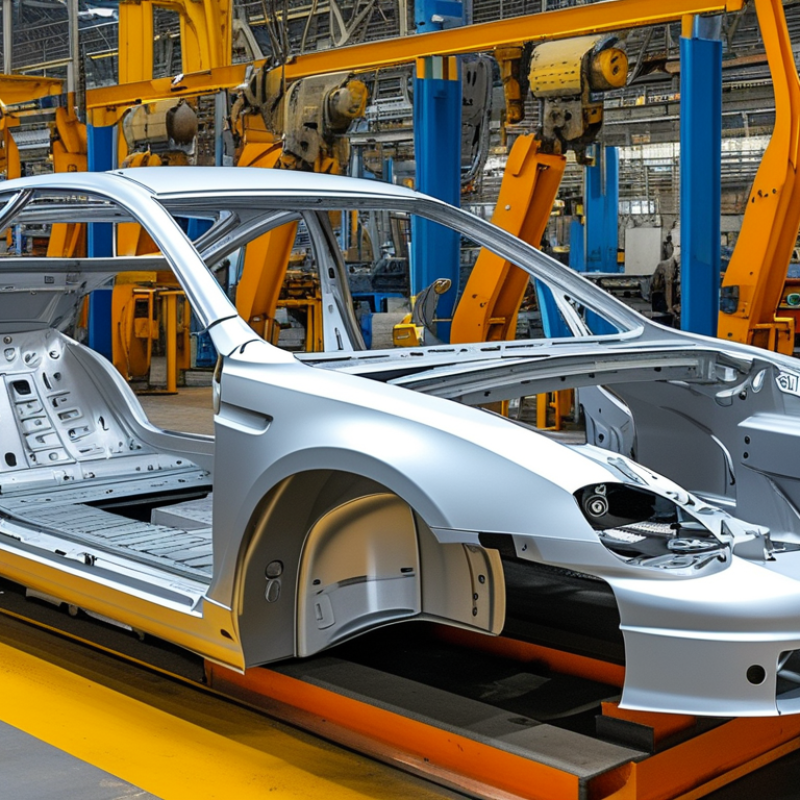
Sheet metal parts are widely used in various industries due to their versatility and durability. One common application is in the automotive sector. Car manufacturers rely on sheet metal for components like body panels and structural reinforcements. These parts not only provide strength but also play a crucial role in vehicle aesthetics and performance. Precision engineering ensures that these components fit together seamlessly, enhancing both safety and efficiency.
Another significant application of sheet metal parts is in HVAC systems. Ductwork, vents, and enclosures are typically made from sheet metal. These components must withstand varying temperatures and pressures while maintaining air quality. Fabricators often use aluminum or galvanized steel for these applications. Their lightweight nature and resistance to corrosion make them suitable for indoor and outdoor environments.
Sheet metal parts are also essential in electronic enclosures. Devices such as computers and routers require protection from dust and physical impacts. Manufacturers must consider factors like thermal management and electromagnetic shielding. Each design must balance functionality and aesthetic appeal. Despite advancements, challenges in sourcing and manufacturing exist. Durability and precision are vital, yet variability in raw materials may lead to inconsistencies. Regular quality checks are critical in overcoming these issues.
Key Manufacturing Processes for Sheet Metal Parts
Sheet metal parts are crucial in various industries, serving applications ranging from automotive to aerospace. The manufacturing processes involved in creating these parts can significantly impact quality and cost. Common methods include stamping, bending, and laser cutting, each suited for specific types of components.
Stamping is a widely used technique, with around 70% of sheet metal fabrication utilizing this method. It enables high-speed production of complex shapes with tight tolerances. Bending, on the other hand, allows for the formation of parts without sacrificing material integrity. Reports suggest that laser cutting is gaining traction, with a projected CAGR of 5.5% in the next five years. This method provides precision and flexibility in design that traditional techniques may lack.
However, sourcing sheet metal parts can be challenging. Many manufacturers face issues with inconsistent quality and delivery delays. It’s vital to establish strong relationships with suppliers and regularly audit their processes. Companies must remain adaptive and consider the latest technological advancements to enhance efficiency. Keeping abreast of industry trends can lead to better sourcing decisions and improved product outcomes.
How to Identify Quality Sheet Metal Suppliers
Identifying quality sheet metal suppliers can be challenging. The right partner can greatly influence production. According to the Metal Forming Industry report, 40% of manufacturers prioritize supplier reliability. This indicates that a trusted supplier can enhance operational efficiency significantly.
Look for suppliers with robust certifications. ISO 9001 and AS9100 certifications are essential for ensuring quality management systems. Suppliers should demonstrate their ability to meet international standards. A good supplier will provide samples to assess material quality. This is crucial, as variations can affect your end product.
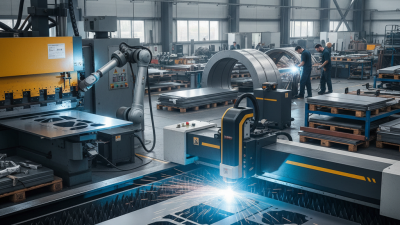
Check their production capabilities. A supplier should have advanced machinery and technology. This includes laser cutting and precision bending equipment. Also, inquire about their lead times and inventory management. A reliable supplier can adapt to changing demands while maintaining quality standards. Remember, communication is key. Effective dialogue will reveal a supplier's capability to meet your specific needs. Take the time for thorough evaluations, as it pays off in the long run.
Best Practices for Sourcing Sheet Metal Parts
Sourcing sheet metal parts effectively is crucial for many industries. To ensure quality and efficiency, buyers should adopt best practices during this process. Establishing clear specifications is a vital first step. Define material types, dimensions, and tolerances upfront. This clarity helps avoid misunderstandings with suppliers and ensures a better final product.
Tips: Always communicate openly with potential suppliers. Ask for samples or prototypes to evaluate their work. This can save time and resources later.
Another important aspect is
assessing supplier capabilities. Consider their experience and production capacity. A supplier with a proven track record can be more reliable. Look for certified facilities that ensure quality control. However, don't overlook smaller suppliers; they might offer
competitive pricing and
personalized service.
Tips: Don’t be afraid to visit suppliers. Seeing their operations in person can reveal a lot. Review their quality assurance processes carefully. Understanding their practices can help in making an informed decision.