What is a PV Connector and How Does it Work?

PV Connectors are essential components in solar energy systems. They facilitate reliable connections between solar panels and other equipment. Understanding their function can enhance the performance of any photovoltaic system.

Made to withstand harsh conditions, PV connectors ensure the seamless flow of electricity. They are typically waterproof and UV resistant. Proper usage and installation are crucial for maximum efficiency. However, their durability can sometimes lead to complacency, as users may overlook regular maintenance.

Not all PV connectors are equal. Quality varies widely among manufacturers. Choosing the right connector can greatly impact system reliability. Some might opt for the cheapest option, potentially sacrificing performance. It's vital to consider factors like ease of use and compatibility. Doing so enhances both safety and efficiency in solar energy applications.
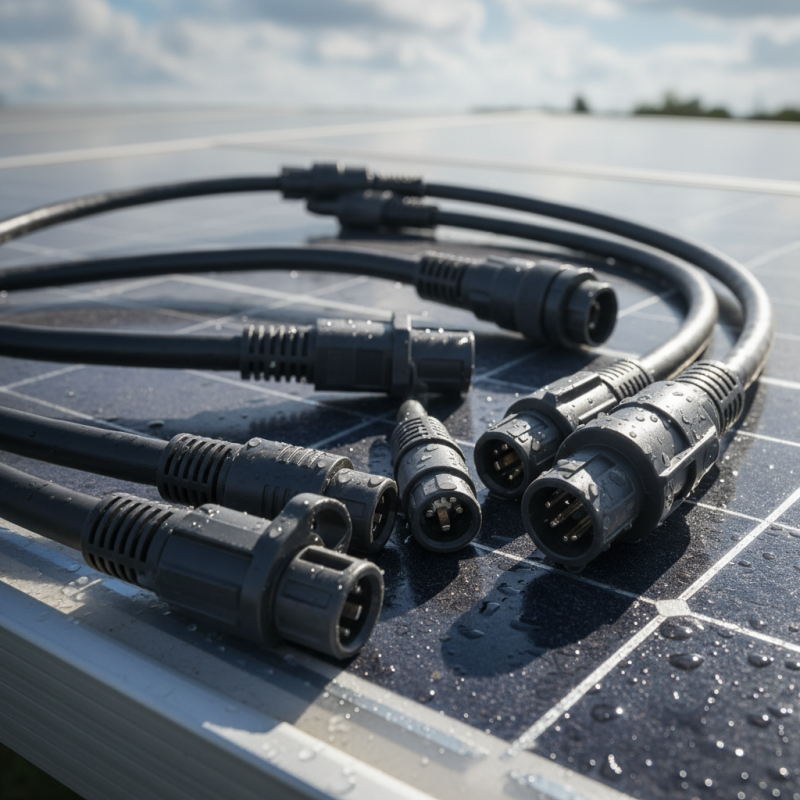
What is a PV Connector and How Does it Work?

What is a PV Connector and Its Role in Solar Energy Systems?

A PV connector is crucial in solar energy systems. It serves as a link between solar panels and other electrical components. These connectors ensure secure connections that withstand environmental factors. According to a report by Solar Power World, around 70% of solar system failures are due to poor connections. This statistic highlights the importance of reliable connectors.

In an effective solar energy system, PV connectors help to maintain optimal performance. They protect against moisture, dust, and temperature changes. For example, connectors commonly utilized can endure temperatures from -40°C to +85°C. They also meet international standards like IEC 62852. These standards ensure quality and compatibility across different solar energy products.

Despite advancements, some challenges remain. Improper installation can lead to performance drops. Research indicates that up to 15% of systems underperform due to installation errors. This reflects the need for proper training and knowledge in the field. Understanding the role of PV connectors can aid in maximizing energy efficiency. Thus, focusing on quality and best practices can lead to more reliable solar energy systems.

Understanding PV Connector Performance in Solar Energy Systems

Types of PV Connectors Used in Photovoltaic Applications

Photovoltaic (PV) connectors play a critical role in solar energy systems. Their primary function is to create a reliable electrical connection between solar panels. Understanding the different types of PV connectors is essential for efficient solar setup and maintenance.

One common type is the MC4 connector. It is designed for outdoor use, providing a weatherproof seal. The MC4 connector can handle high voltage and current levels, making it suitable for various solar applications. Another type is the Tyco connector, often used in larger commercial systems. Its robust design allows for easy installation and maintenance. However, it may not be ideal for smaller or residential setups due to its size.

In addition, you may encounter specialized connectors like the XT60 and XT90 in specific configurations. These connectors are known for their high-performance capabilities but can be less intuitive to install. Choosing the right connector requires careful consideration of your system's needs. It's crucial to reflect on compatibility and future maintenance needs when selecting your connectors.

Key Specifications and Ratings for PV Connectors in Solar Installations

PV connectors play a vital role in solar installations, linking photovoltaic (PV) modules. Key specifications influence their performance and reliability. One important specification is the current rating. Typical ratings vary between 30A and 50A, depending on the specific connector design. These ratings impact how efficiently energy flows through the system.

Another crucial specification is voltage rating. Most PV connectors are rated at 600V to 1000V. Higher voltage ratings support larger systems, improving power generation. However, while higher voltage can increase efficiency, it also raises safety concerns. Proper handling and installation become essential.

Temperature resistance is also critical. PV connectors must endure extreme temperatures, often ranging from -40°C to +85°C. This resilience ensures longevity and reliable performance in diverse climates. As stated in a recent industry report, nearly 40% of equipment failures arise from improper temperature management. Choices made during the installation process directly affect the system's overall efficiency. The landscape of connector technology constantly evolves, posing challenges for industry professionals.

How PV Connectors Ensure Efficient Power Transmission in Solar Panels

PV connectors are crucial for solar panel efficiency. They play a significant role in ensuring optimal power transmission from the solar modules to the inverter. These connectors are designed to withstand harsh environmental conditions, which enhances their longevity. According to the Solar Energy Industries Association, proper connections can boost the overall system efficiency by up to 20%.

In addition to durability, PV connectors contribute to safety. They are engineered to prevent arcing, a common issue that can lead to failures in solar systems. Research shows that about 30% of system failures are due to faulty connections. The design of these connectors is vital. They need to facilitate quick and easy installation, especially in large-scale solar farms. Yet, feedback from installers often highlights that compatibility issues still arise. It's an area where improvement is needed.

Moreover, the adoption of standards like IEC 62852 has helped in unifying connector specifications. However, the rapid evolution of solar technology sometimes leaves these standards lagging behind. As the industry grows, the need for innovative, reliable connectors becomes even more apparent. Ultimately, achieving maximum efficiency in solar power generation depends on addressing these challenges in PV connector technology.

Best Practices for Installing and Maintaining PV Connectors in the Field

Proper installation and maintenance of PV connectors are crucial for optimizing solar energy systems. When installing these connectors, ensure that connections are clean and dry to avoid corrosion. Use appropriate tools to avoid damaging the connectors. This can lead to long-term issues. Remember, not every installation is perfect. A small oversight can result in significant energy loss.

Regular inspections are vital for maintaining PV connectors. Look for signs of wear, such as frayed cables or rust. These visual cues can indicate a need for immediate attention. A connection that looks poor may still function temporarily but can fail unexpectedly. Perform routine checks, preferably every few months, to ensure reliability. It's also essential to verify tightness; loose connections can generate heat and pose potential fire hazards.

Educate technicians about best practices. Training sessions can enhance their understanding of PV connector strengths and weaknesses. Not all team members may grasp the importance of each detail in installation and maintenance. Encouraging a culture of care can prevent mishaps in the field. Take the time to reflect on past mistakes and learn from them. This knowledge enhances the overall integrity of the solar system.

What is a PV Connector and How Does it Work? - Best Practices for Installing and Maintaining PV Connectors in the Field

Dimension Details
Connector Type MC4
Rated Current 30A
Rated Voltage 1000V DC
Weather Resistance IP67
Temperature Range -40°C to +90°C
Material Polycarbonate and Copper
Connector Life Span Over 25 years
Best Installation Practice Ensure firm engagement to prevent arcing.
Maintenance Frequency Annually

Article Source:

Warning!

You are using an outdated browser. Things may not appear as intended. We recommend updating your browser to the latest version.

Close