What is an Electromagnetic Flow Meter and How Does It Work?
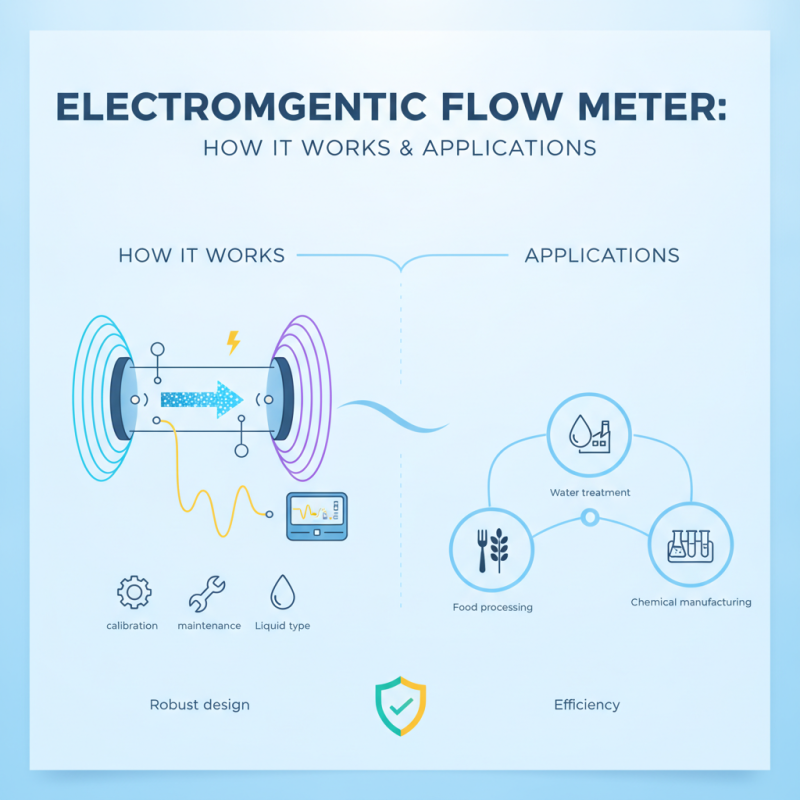
An Electromagnetic Flow Meter is a crucial device in various industries. It measures the flow of conductive liquids with high accuracy. By utilizing electromagnetic fields, this tool provides reliable data for systems in water treatment, food processing, and chemical manufacturing.
These meters operate on a simple principle: Faraday's law of electromagnetic induction. A conductive fluid passing through a magnetic field generates a voltage. This voltage correlates with the flow rate, allowing for precise measurements. Electromagnetic Flow Meters are non-intrusive, ensuring minimal disruption.
Despite their advantages, challenges exist. Proper calibration and maintenance are vital for accurate readings. The type of liquid being measured can affect performance. Understanding these nuances is essential for operators. Trust in the Electromagnetic Flow Meter stems from its robust design and efficiency in demanding environments.
What is an Electromagnetic Flow Meter?
An electromagnetic flow meter is a tool used to measure the flow of conductive liquids. It operates based on Faraday’s law of electromagnetic induction. When a conductive fluid passes through a magnetic field, it generates a voltage proportional to its flow rate. This simple principle makes it highly effective for various industries, including water treatment and food processing.
Data from industry reports suggest that electromagnetic flow meters account for about 15% of the global flow meter market. These devices are particularly popular for their accuracy and reliability. They can measure flow rates ranging from a few liters per minute to several thousand liters per hour. However, it's important to note that they only work with conductive fluids. For non-conductive liquids, alternative flow measurement technologies would be required.
While electromagnetic flow meters offer several advantages, they are not without challenges. Installation can be more complex compared to other flow measurement devices. Additionally, factors like temperature and pressure can influence their accuracy. Industry professionals recommend regular calibration and maintenance to ensure optimal performance. This ongoing attention is crucial to avoid costly errors in measurement.
Electromagnetic Flow Meter Data Overview
| Parameter | Value |
| Fluid Type | Water |
| Measurement Principle | Faraday's Law of Electromagnetic Induction |
| Pipe Diameter | 50 mm |
| Flow Range | 10 to 5000 L/h |
| Accuracy | ±0.5% of reading |
| Operating Temperature | -10°C to 60°C |
| Power Supply | 24 V DC |
| Output Signal | 4-20 mA |
| Installation Type | Inline |
Principles of Electromagnetic Flow Meter Operation
Electromagnetic flow meters are widely used in various industries for precise measurement of fluid flow. These devices operate based on Faraday's law of electromagnetic induction. When a conductive liquid flows through a magnetic field, it generates a voltage. This voltage is proportional to the flow rate. The design ensures minimal pressure loss, making it efficient for applications involving water, chemicals, and slurries.
Reports indicate that the global electromagnetic flow meter market was valued at approximately $2.5 billion in 2022, with a projected growth rate of 6.5% annually. Such metrics underline the technology's reliability across sectors like water treatment and food processing. The versatility of electromagnetic flow meters allows them to measure varying flow conditions accurately. However, they do require a minimum conductivity level in liquids to function effectively.
Despite the advantages, there are challenges to consider. Non-conductive fluids cannot be measured with electromagnetic flow meters. Also, installing these meters in complex piping systems can introduce errors. Addressing these concerns remains crucial for enhancing accuracy and reliability in measurements. As industries adopt this technology, ongoing feedback and improvements are necessary for optimizing performance and user experience.
Key Components of Electromagnetic Flow Meters
Electromagnetic flow meters are crucial for measuring the flow of conductive liquids. They operate based on Faraday’s law of electromagnetic induction. The meter has key components that ensure accurate measurements. These include a flow tube, electrodes, and a magnetic field generator.
The flow tube is where the fluid passes through. It is essential for the design to minimize turbulence and maintain a uniform flow profile. Electrodes, typically made from inert materials, detect the induced voltage as the liquid moves through the magnetic field. This voltage correlates directly with the flow rate. The magnetic field generator creates a stable magnetic field around the flow tube.
Tips for selecting an electromagnetic flow meter include assessing fluid conductivity. Ensure that the meter's specifications match the specific type of liquid being measured. Regular maintenance is important too. Check the electrodes for wear, as they can degrade over time.
Pay attention to the device's pressure and temperature ratings. These factors can significantly affect performance. A mismatch may lead to inaccurate readings. Understanding these components can improve your flow measurement process.
Electromagnetic Flow Meter Measurement Data
This bar chart represents the flow rates of different fluids measured by electromagnetic flow meters. The data illustrates how various substances such as water, oil, acid, slurry, and gas exhibit different flow rates, providing insight into the flow characteristics relevant to various applications.
Applications of Electromagnetic Flow Meters in Industry
Electromagnetic flow meters are widely used in various industries due to their precision and reliability. They measure the flow of conductive liquids, making them ideal for water treatment, chemical processing, and food production. These devices operate based on Faraday's law of electromagnetic induction. When a liquid flows through a magnetic field, it generates a voltage proportional to its velocity. This voltage is then converted into a flow rate.
In the food industry, electromagnetic flow meters ensure consistent quality. They can handle slurries and viscous fluids without clogging. This is crucial for maintaining hygiene and safety standards. Chemical processing also benefits from these devices. They provide accurate measurements in corrosive environments, improving process efficiency and safety.
Tip: Regular maintenance of flow meters is essential for optimal performance. Even minor inaccuracies can cause significant issues.
Moreover, electromagnetic flow meters are advantageous in wastewater management. They help monitor flow rates and detect leaks, allowing for timely interventions. However, these meters require careful installation to function effectively. Misaligned or poorly positioned sensors can lead to incorrect readings.
Tip: Always consult with an expert during installation for best results. Proper setup is critical to achieving accurate flow measurement.
Advantages and Limitations of Electromagnetic Flow Meters
Electromagnetic flow meters (EMF) are widely used in various industries for measuring the flow of conductive fluids. Their primary advantage lies in their accuracy and ability to handle a wide range of fluid types. EMFs do not have any moving parts, which minimizes wear and tear over time. This design allows for low maintenance costs, a significant advantage for facilities that want to minimize downtime.
However, the limitations of electromagnetic flow meters should not be overlooked. They require conductive fluids to function effectively, which excludes non-conductive substances. Moreover, installation can be complex, requiring specific orientation and consideration of pipe conditions. If not installed correctly, the readings may be inconsistent. The initial investment can also be higher than other flow measurement devices, which may deter some industries from choosing this option.
Users must also consider environmental factors that may affect performance. For instance, changes in temperature or pressure can impact the accuracy of readings. Regular calibration and monitoring are essential to ensure accurate flow measurement over time. While EMFs are a powerful tool, they do need careful handling and expertise for optimal use.