What is a Curtain Wall Profile and How to Choose It?
Choosing the right Curtain Wall Profile can significantly impact a building's performance and aesthetic. This element serves as a protective outer layer, blending form and function together. Understanding the various options available is crucial for architects and builders alike.
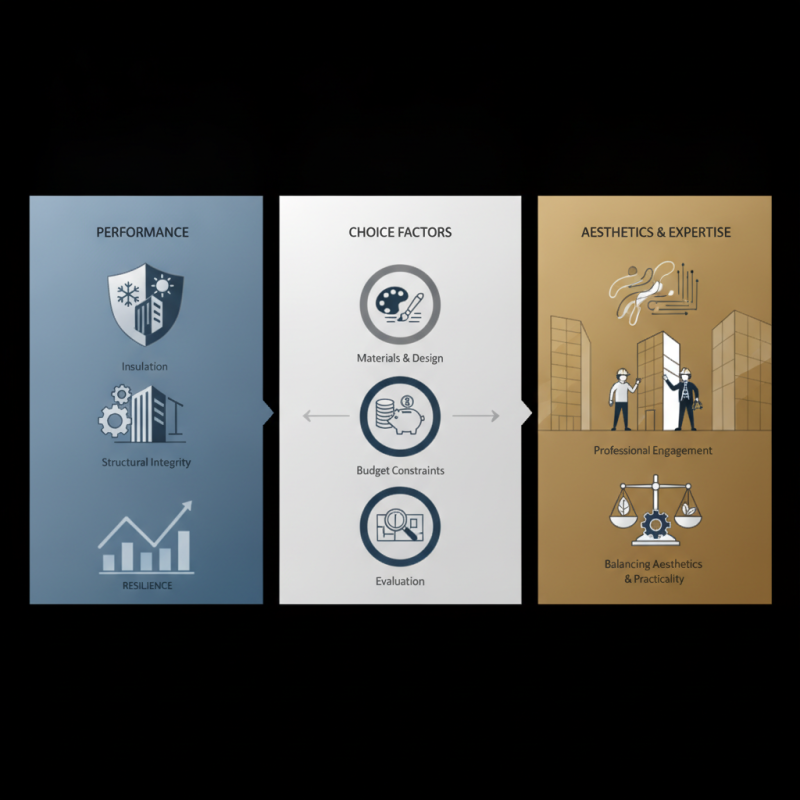
A Curtain Wall Profile is more than just a pretty façade. It provides insulation, weather resistance, and structural integrity. Selecting the ideal profile involves considering materials, design preferences, and budget constraints. It is essential to evaluate each option carefully to avoid long-term issues.
Design decisions often reflect personal taste but also need technical expertise. A choice made without thorough analysis may lead to complications down the road. Engaging with professionals will help navigate these challenges, ensuring that the selected Curtain Wall Profile meets both visual and functional demands. Balancing aesthetics with practicality can lead to more resilient structures.
What is a Curtain Wall Profile?
Curtain wall profiles are essential elements in modern architecture. They consist of lightweight materials that provide a non-structural outer covering for buildings. Typically, these profiles are made from materials like aluminum, glass, or composite materials, acting as a façade while allowing natural light into the space. The flexibility in design allows architects to craft visually stunning structures.
When choosing a curtain wall profile, consider site conditions and architectural style. The profile should complement the overall design of the building. Think about thermal performance as well. Different profiles provide varying levels of insulation. This can impact energy efficiency and occupant comfort.
Tips: Select a profile that offers a balance of aesthetics and functionality. Don’t overlook the installation process. Complicated profiles may lead to higher labor costs. It’s essential to assess the long-term maintenance needs of your chosen profile. Remember, a reliable profile won't only look good; it should also stand the test of time.
Curtain Wall Profile Material Comparison
This bar chart illustrates the material costs per square foot for various curtain wall profiles, helping you understand the price differences between aluminum, glass, steel, composite, and fiberglass options. This information is crucial when selecting the right curtain wall profile for your project.
Types of Curtain Wall Profiles and Their Uses
Choosing the right curtain wall profile is essential for building aesthetics and functionality. Curtain wall profiles vary in design and application. Common types include stick-built, unitized, and semi-unitized systems. Stick-built systems are assembled on-site. They are flexible but can be time-consuming. Unitized systems come preassembled. They save time during installation but may require careful logistics. Semi-unitized systems combine both methods, offering benefits of each.
Each profile type has distinct uses. Stick-built profiles are suitable for complex designs where customizability is key. Conversely, unitized profiles work well for large-scale projects, requiring consistency and speed. Consider wind loads and thermal performance when selecting a profile. Environmental factors impact the choice significantly. A detailed assessment can prevent costly mistakes down the road. Proper installation is critical, yet common errors can occur if not meticulously managed. Always consult with designers to ensure the best fit for your project.
Factors to Consider When Choosing a Curtain Wall Profile
Choosing the right curtain wall profile is crucial for building performance. Several factors influence this decision, such as structural integrity, thermal insulation, and aesthetics. According to industry data, over 60% of energy loss in buildings occurs through poorly designed facades. Hence, selecting a profile that offers high thermal efficiency is essential.
One important aspect is the material type. Aluminum is popular due to its strength and light weight. However, it may not always provide the best insulation. In contrast, steel offers durability. Yet, it can lead to higher thermal bridging unless designed correctly. Moreover, glass type matters too. Low-E glass can enhance thermal performance by reducing heat gain.
Consider the local climate as well. Profiles must withstand varying weather conditions. A report highlighted that inappropriate selection may result in increased maintenance costs by up to 30%. Reflecting on these factors is vital. For example, is there a trade-off between aesthetics and functionality? Exploring different profile modifications could yield better results. Engaging with design professionals can lead to more refined decisions.
Advantages and Disadvantages of Different Curtain Wall Profiles
When selecting a curtain wall profile, it's essential to weigh the advantages and disadvantages of each option. Aluminum profiles are popular due to their lightweight and corrosion-resistant properties. They provide an excellent aesthetic and often lower construction costs. However, they may not insulate against temperature changes as effectively as other materials. This could lead to higher energy costs over time.
On the other hand, glass profiles offer a modern look with ample natural light. They are visually appealing but can pose challenges, such as higher installation costs and potential maintenance issues. Additionally, glass can create glare and may not be suitable for every building design. Some users find the reflection distracting and the aesthetics too cold.
While steel profiles bring durability and strength, they can also be heavier and more expensive. Their robustness is beneficial for high-rise buildings but might not align with every architect's vision. It's crucial to consider environmental factors and energy efficiency alongside style and cost. Every choice has its trade-offs, necessitating thorough consideration.
Best Practices for Installing Curtain Wall Profiles
When considering the installation of curtain wall profiles, effective practices can significantly affect performance and aesthetics. A well-constructed curtain wall is crucial; it not only contributes to the building’s energy efficiency but also impacts its overall longevity. According to a report by the American Institute of Architects, more than 25% of energy loss in buildings stems from inadequate insulation in curtain walls. Thus, proper selection and installation are paramount.
Before installation, ensure accurate measurements. Small discrepancies can lead to costly adjustments later. Employ quality sealants and fasteners that comply with architectural standards. Poorly chosen materials may lead to water infiltration, which can compromise the structure and create mold issues. Selecting the right profile should include considerations for climate impact and local building codes.
Tips: Always conduct thorough inspections post-installation. Check for gaps or misalignments. Regular maintenance can help identify potential problems early, prolonging the life of the curtain wall. Engage with certified professionals for complex installations. Their expertise can help avert common pitfalls. Choosing materials that align with sustainability goals can also enhance your building’s market appeal.