How to Choose the Right Pressure Vessel for Your Needs?
Selecting the right Pressure Vessel is crucial for safety and efficiency in various industries. Pressure vessels are designed to hold gases or liquids at high pressures and temperatures. According to a recent market analysis by Grand View Research, the global pressure vessel market is projected to reach USD 145 billion by 2025. This highlights the increasing demand for safe and reliable storage solutions.
When choosing a pressure vessel, factors such as material, design, and application play a pivotal role. Industry reports emphasize the importance of compliance with ASME standards. This compliance ensures not only safety but also reliability. Yet, many organizations still overlook these requirements, leading to potential hazards. The right pressure vessel can optimize processes, reduce costs, and enhance productivity.
However, the complexity in selection can lead to mistakes. Insufficient understanding of specific needs often results in poor choices. Regular consultation with experts in the field can mitigate risks. In a landscape where safety regulations are tightening, making an informed decision is essential. Choosing the right pressure vessel is not just a technical choice; it is a matter of safety and operational excellence.
Understanding Pressure Vessels: Types and Applications
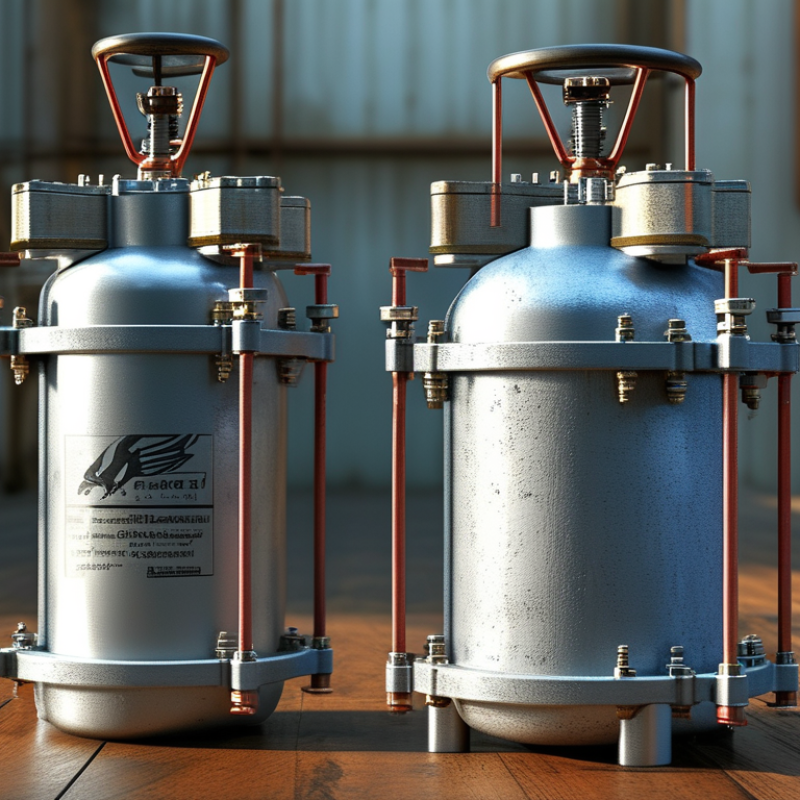
When it comes to pressure vessels, understanding their types and applications is crucial for making the right choice. Pressure vessels can vary greatly in shape, size, and material. Common types include cylindrical, spherical, and conical vessels, each serving different industrial needs. The applications range from storing natural gas to processing chemicals. A thorough understanding of these elements can help prevent costly mistakes.
Different industries demand specific features from pressure vessels. For instance, food processing often requires stainless steel to meet safety standards. Oil and gas may prioritize strength and durability. Not all vessels are created equal, and choosing the wrong one could lead to failures. You might think a larger capacity is always better, but sometimes, a smaller, more specialized vessel is ideal.
In evaluating options, consider not only the technical specifications but also reliability and past performance. Reflect on your industry needs and existing infrastructure. Consulting with experts can provide insights. However, always approach advice with a critical lens. Pressure vessels are significant investments, and their selection should never be rushed. An informed decision process is key to effective utilization.
Assessing the Required Specifications for Your Pressure Vessel
When selecting a pressure vessel, it’s vital to understand its specifications. These specifications dictate how well the vessel will perform under pressure. For example, the American Society of Mechanical Engineers (ASME) sets standards for pressure vessels. According to their data, nearly 70% of failures occur due to improper material selection. It is crucial to evaluate the materials needed for the specific application. Consider factors such as corrosion resistance and temperature tolerance.
Another critical specification is the design pressure and temperature. A report from the National Board of Boiler and Pressure Vessel Inspectors found that over 30% of pressure systems operate beyond their rated capabilities. This data highlights the importance of accurately assessing operational conditions. Evaluate your system parameters and the environment. If misjudged, this can lead to catastrophic failures.
Furthermore, think about the vessel's size and capacity. Recent industry reports emphasize that sizing affects efficiency. An oversized vessel may lead to higher operational costs. Conversely, undersizing can cause insufficient resource processing. Finding the right dimensioning can be a complex task. In practice, it often requires iterative calculations and professional assessments. Balancing these specs involves careful consideration of long-term goals and operational needs.
Evaluating Material Options for Pressure Vessels
When selecting materials for pressure vessels, it's essential to consider various factors. The material must withstand high pressure and temperature. Common choices include stainless steel, carbon steel, and composite materials. Each option has distinct properties and uses.
Stainless steel is favored for its corrosion resistance. It is ideal for chemical processes and food applications. However, its higher cost can be a drawback. Carbon steel is more economical and can handle heavy-duty applications. But it is prone to rust without proper coating. Composite materials offer lightweight solutions but may lack the durability of metals.
Choosing the right material requires an understanding of the operating environment. Consider factors like temperature fluctuations and exposure to chemicals. Sometimes, the ideal material may not be abundantly available. Balancing cost, durability, and safety is challenging but crucial. Investing time in research pays off in the long run. It minimizes risks and ensures compliance with safety standards.
Key Regulatory Standards and Certifications for Safety
Selecting the right pressure vessel involves understanding your specific needs while ensuring safety through compliance with key regulatory standards. Many industries must adhere to regulations set by organizations such as ASME and OSHA. These standards dictate design, construction, and testing protocols. Proper certification can assure you that vessels meet necessary safety criteria. It's crucial to verify the certifications relevant to your industry.
Quality assurance also depends on the materials used in manufacturing pressure vessels. The choice of steel or composite materials can affect durability and safety. Regular inspections by qualified professionals ensure ongoing compliance with safety regulations. Non-compliance can lead to catastrophic failures. It's important to have a system in place for routine checks and maintenance.
Selecting a pressure vessel is not just about meeting codes. It requires a comprehensive understanding of operational demands and industry requirements. Misjudgments can lead to costly mistakes or unsafe conditions. It’s vital to involve knowledgeable engineers and safety experts to guide you through this intricate process. Balancing safety and functionality is key.
How to Choose the Right Pressure Vessel for Your Needs? - Key Regulatory Standards and Certifications for Safety
| Pressure Vessel Type | Material | Design Code | Typical Applications | Certifications |
| Horizontal Pressure Vessel | Carbon Steel | ASME Section VIII | Oil & Gas Storage | ASME, ISO 9001 |
| Vertical Pressure Vessel | Stainless Steel | API 620 | Chemical Processing | PED, CE Marking |
| Reactor Pressure Vessel | Alloy Steel | ASME B31.3 | Pharmaceutical, Food Production | FDA, ISO 13485 |
| Cryogenic Pressure Vessel | Aluminum | ASME Section VIII, Division 1 | LNG Transport | DOT, ISO 16111 |
| Composite Pressure Vessel | Fiber Reinforced Polymer | ASME RTP-1 | Compressed Gas Storage | ISO 17268 |
Cost Considerations and Budgeting for Pressure Vessels
When budgeting for pressure vessels, cost considerations play a crucial role. It's essential to evaluate both upfront and long-term costs. Initial expenses can include materials, manufacturing, and delivery. However, maintenance and operational costs also add up over time. Often, cheaper options may lead to higher maintenance, impacting overall budget.
Tips: Always conduct a total cost analysis. This ensures you factor in all potential expenses, not just the initial purchase price. Don’t overlook costs related to safety inspections and compliance requirements.
Another aspect to consider is the scalability of your purchase. A pressure vessel that meets current needs might not suffice in the future. Investing in a vessel designed for potential expansion can save costs later on. Sometimes, a larger upfront investment may equal significant savings long-term.
Tips: Consult with experts in the field to gain insights on future needs. Their experience can guide you in making decisions that align with evolving demands. Be cautious of overspending on unnecessary features as well.