How to Choose the Best Temperature Humidity Sensor for Your Needs?

Selecting the right Temperature Humidity Sensor can greatly impact your projects. With various options available, the choice can feel overwhelming. Understanding your specific needs is crucial.

Temperature Humidity Sensors vary in functionality and accuracy. Some are designed for precise environments, while others are more general-purpose. Reliability is key; a low-quality sensor can lead to inaccurate readings. This can affect equipment and processes directly.

It's important to assess your environment. Consider factors like range, calibration, and response time. Doing so ensures that your sensor meets expectations. Following these guidelines may seem simple, but many overlook them. Your choice reflects not just on performance but also on investment.
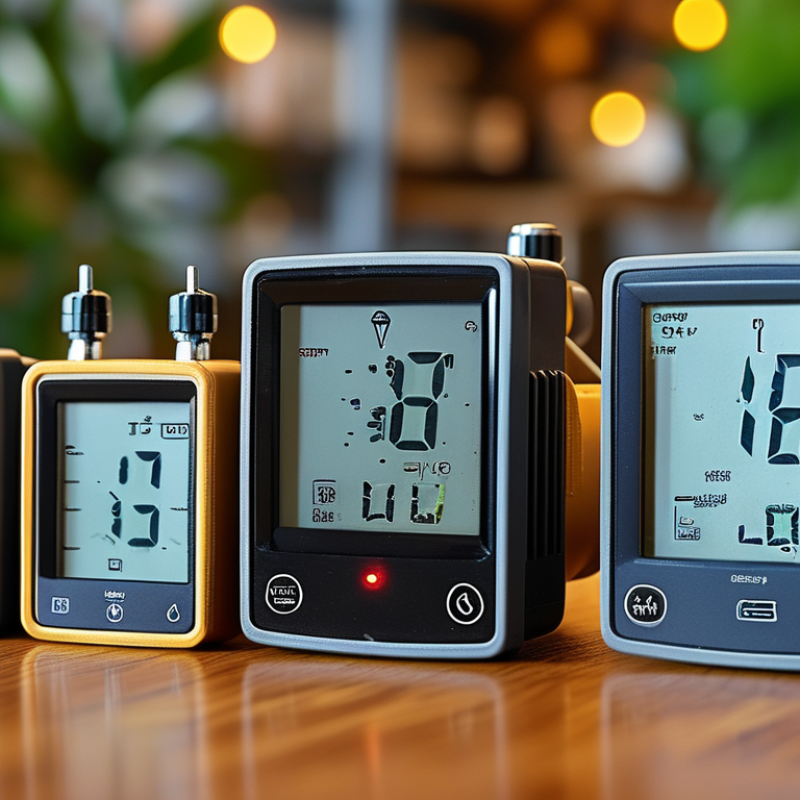
How to Choose the Best Temperature Humidity Sensor for Your Needs?

Understanding Temperature and Humidity Sensors: A Brief Overview

Temperature and humidity sensors play a vital role in various applications. These sensors help monitor environmental conditions in homes, greenhouses, and industrial settings. Understanding how these devices work is essential to making informed purchasing decisions. They usually consist of a thermistor or resistance temperature detector (RTD) for temperature measurement and a hygrometer for humidity levels.

Different sensors offer various accuracy levels, ranging from basic models to highly sensitive devices. Users often feel overwhelmed by technical specifications. But real-world performance matters most. For instance, some sensors react slowly to changes, while others provide real-time data. Consider the specific environment where the sensor will be used. Is it subjected to vibrations or extreme temperatures? The operational environment can significantly impact sensor reliability.

Calibration is another critical factor, often overlooked in consumer choices. A sensor might initially perform well but drift over time. Regular calibration ensures accuracy. Look for devices with user-friendly calibration processes. Remember, while features and specifications are critical, hands-on user experiences can provide valuable insights. Reading reviews can help highlight potential issues, such as poor battery life or interface challenges.

Key Factors to Consider When Selecting a Temperature Humidity Sensor

When selecting a temperature humidity sensor, consider the environment where it will be used. Different settings, like greenhouses or warehouses, have unique needs. A sensor's accuracy is crucial. Look for specifications that detail how precise the readings are. Sensors with better accuracy help maintain optimal conditions for sensitive materials.

The sensor's range is another key factor. Ensure it covers the expected temperature and humidity levels. Some sensors can handle extreme conditions, while others may fail. You need a device that fits your application. Observe the response time as well. A quick response ensures timely adjustments in controlled environments.

Power source options are worth examining too. Battery-operated sensors offer flexibility, while wired options may provide constant power. Evaluate how you'll integrate them into your existing systems. It's essential to think about maintenance requirements as well. Some devices are easier to calibrate than others, which can save time and effort over time. Each detail matters in ensuring consistent monitoring and control.

How to Choose the Best Temperature Humidity Sensor for Your Needs?

Feature Importance Recommended Value/Range Description
Measurement Range High -40 to 125 °C, 0 to 100% RH The range should cover the expected environmental conditions.
Accuracy High ±0.5 °C, ±2% RH Essential for applications where precise measurements are needed.
Output Type Medium Analog (0-10V), Digital (I2C, SPI) Choose based on compatibility with your systems.
Power Supply Medium 5V to 24V DC Check the power requirements for your application.
Temperature/Humidity Response Time Medium < 2 seconds Necessary for applications where rapid changes occur.
Calibration High Factory calibrated or user-calibrated Calibration is essential for maintaining accuracy over time.
Size & Design Medium Varies Consider space and installation constraints.

Types of Temperature Humidity Sensors and Their Applications

When choosing a temperature and humidity sensor, understanding the different types available is crucial. Two common types are analog and digital sensors. Analog sensors provide continuous readings, offering a real-time response. They are ideal for environments where instantaneous data is vital. Digital sensors, on the other hand, convert measurements into usable data and often come with advanced features. They typically allow for easier integration with other digital systems.

Specific applications highlight the strengths of these sensors. For example, greenhouse monitoring benefits from hygrometers, which measure humidity levels. This ensures optimal plant growth conditions. In HVAC systems, temperature sensors play a critical role in maintaining comfort. They help automate heating and cooling processes, improving energy efficiency.

Nonetheless, challenges arise when choosing the right sensor. Sensor accuracy, stability, and response time can vary widely. Careful consideration of environmental factors is essential. Understanding where and how the sensor will be used can prevent costly mistakes.

Accuracy, Calibration, and Maintenance of Humidity Sensors

When choosing a humidity sensor, accuracy is paramount. A sensor's accuracy can significantly influence readings, impacting critical applications. Industry studies indicate that humidity sensors with an accuracy of ±2% RH are ideal for most indoor environments. However, for specific applications like greenhouses or laboratories, requiring ±1% RH might be necessary. Measurement discrepancies can lead to inefficiencies and increased costs, making it essential to select the right level of precision based on your needs.

Calibration is another crucial factor. Regular calibration ensures that sensors provide accurate data over time. Inaccurate readings can develop due to environmental factors or sensor aging. According to a report by the National Institute of Standards and Technology (NIST), improperly calibrated sensors can result in errors of up to 5% RH. This highlights the need for biannual or annual calibration checks. Consider the methods available for recalibrating your sensors to maintain their reliability.

Finally, understanding maintenance is vital for optimal functioning. Sensors must be kept clean and protected from extreme conditions. Dust and moisture can affect their performance. Many industry experts recommend checking sensors monthly for any signs of deterioration. In some situations, a worn-out sensor might provide misleading data despite routine maintenance. Being proactive can prevent costly setbacks in operations.

Budgeting for Your Temperature and Humidity Sensor Needs

When budgeting for a temperature and humidity sensor, it's crucial to understand the various factors that affect pricing. Entry-level sensors may be suitable for basic applications, but they often lack accuracy and durability. Mid-range options typically offer better performance and features. High-end models excel in reliability and precision, but come at a cost.

Consider your specific needs. Will you use the sensor in a controlled environment or a harsher setting? Climate zones, required features, and measurement ranges all influence expenses. Prioritizing essential features prevents overspending on unnecessary extras. Think about long-term gain over initial cost. Investing in a robust sensor today might save you from costly replacements later.

Budgeting also involves planning for maintenance and calibration. Some sensors require regular recalibration, which can add to long-term costs. Be prepared for additional expenses beyond the upfront price. Reflect on your choices carefully. The right balance between cost and quality will serve you best, ultimately enhancing your operations.

Warning!

You are using an outdated browser. Things may not appear as intended. We recommend updating your browser to the latest version.

Close