Selecting the right stainless steel supplier is crucial in today’s competitive market. According to a recent report by the Global Stainless Steel Market, the industry is projected to grow at a CAGR of 5.5% through 2026. This growth indicates an increasing demand for high-quality stainless steel. It's essential to partner with suppliers who demonstrate reliability and industry expertise.
Experience in the stainless steel sector is vital. Many suppliers may claim to deliver high-quality products, but the nuances of this material are complex. It’s not just about meeting delivery dates; it’s about understanding the specific needs for different applications. Quality certifications, such as ISO 9001, should be a benchmark in evaluating suppliers.
However, even reputed suppliers can sometimes fall short. There can be discrepancies in quality or communication lapses. It's important to assess potential suppliers critically. Engaging with them in discussion about past projects can reveal their reliability. Trustworthiness in the stainless steel supply chain ensures that you receive the best materials for your projects.
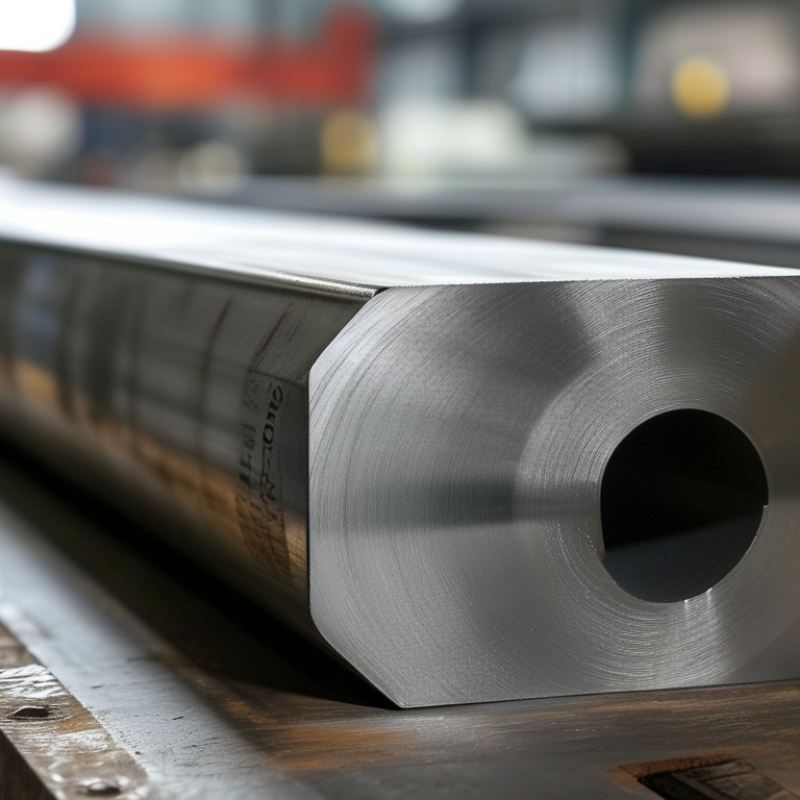
When selecting a stainless steel supplier, it's crucial to identify your specific needs and specifications. Start by considering the application for which the stainless steel is intended. Different grades of stainless steel have unique properties, so understanding how you plan to use the material will guide your choice. Do you need corrosion resistance, weldability, or a specific aesthetic? Each of these requirements points to a different grade.
Another important factor to evaluate is the supplier's expertise. They should have a strong understanding of metallurgy and the various grades available. Poor guidance can lead to costly mistakes. Ask for certifications and industry experience. Look for a supplier that can provide technical support and help you navigate your options.
Don't overlook shipping and delivery times. A reliable supplier should be able to meet your timeline without compromising quality. On the flip side, be cautious. Sometimes, suppliers promise quick turnaround times. It can be tempting, but those promises may not hold. Always consider a supplier's track record and customer reviews before making your choice.
| Dimension | Specification | Grade | Finish | Application |
|---|---|---|---|---|
| 2mm x 1000mm x 2000mm | Thickness, Width, Length | 304 | Brushed | Kitchen equipment |
| 3mm x 1500mm x 3000mm | Thickness, Width, Length | 316 | Polished | Marine applications |
| 5mm x 1200mm x 6000mm | Thickness, Width, Length | 430 | Matte | Automotive parts |
| 4mm x 1000mm x 2000mm | Thickness, Width, Length | 201 | Brushed | Food processing |
| 6mm x 2000mm x 4000mm | Thickness, Width, Length | 409 | Satin | Industrial equipment |

When selecting a stainless steel supplier, evaluating their experience is crucial. Experienced suppliers understand the nuances of the industry. They have faced various challenges and adapted over time. This ability ensures they can provide solutions tailored to your needs. Look for suppliers with a solid track record of service and reliability. Their years in the business speak volumes about their ability to meet expectations.
Industry reputation also plays an essential role. Feedback from previous clients can reveal much about a supplier's reliability. Check online reviews and industry forums. However, not all reviews are trustworthy; some may be biased or manipulated. Cross-reference multiple sources to get an accurate picture. Engaging with the supplier directly can also provide insight into their values and customer service approach.
A supplier's certifications and partnerships can signal their standing in the industry. But, be cautious; certifications can vary in significance. Some may not hold weight in specialized sectors. It’s beneficial to ask questions. A supplier’s willingness to share information reflects their transparency and commitment. A reliable partner should be open about their processes and quality standards. Choose wisely.
When selecting a stainless steel supplier, understanding quality standards and certifications is crucial. Industry reports show that over 70% of manufacturing defects arise from subpar materials. This highlights the need for suppliers with robust quality assurance processes.
Certifications such as ISO 9001 demonstrate a supplier’s commitment to quality management. However, not all certifications guarantee the same level of quality. Some suppliers may receive certifications without comprehensive auditing, leading to variability in product consistency. For instance, a report from the American Society for Quality indicates that about 40% of companies fail to conduct regular audits on their supply chain.
In addition to certifications, consider compliance with industry-specific standards like ASTM and ASME. These standards set expectations for mechanical properties and corrosion resistance. Suppliers who consistently meet these benchmarks often maintain transparent documentation, ensuring traceability and reliability. Seeking out such suppliers can mitigate risks associated with using inferior stainless steel. However, be cautious; some suppliers may present misleading certifications or incomplete data. Ensure thorough due diligence to avoid pitfalls.
When selecting a stainless steel supplier, pricing structures and payment terms can significantly impact your decision. Cost transparency is crucial. Suppliers should provide clear pricing details, including material costs and any additional fees. A quoted price may not always reflect the final cost. Hidden charges can lead to budget overruns.
Payment terms also vary widely among suppliers. Some may require a deposit upfront, while others offer flexible payment schedules. Understanding these terms can help you manage cash flow effectively. A more lenient payment plan can ease financial pressure, especially for larger orders. Conversely, restrictive terms may strain your budget.
Consider the overall value beyond just the price. Cheaper isn’t always better. Evaluate the quality of materials and delivery timelines. An unreliable supplier can create costly delays. Reflecting on past experiences can guide you in making informed decisions. It’s important to strike a balance between cost and reliability for a sustainable partnership. These factors ultimately influence the long-term success of your projects.
When evaluating stainless steel suppliers, delivery options and customer support services are essential aspects to consider. According to a recent industry report, 45% of businesses cite timely delivery as a top factor in supplier selection. Delays can disrupt production schedules, leading to financial losses. It’s critical to assess a supplier's shipping practices. Do they offer multiple shipping solutions? Flexibility in delivery can be a significant advantage when tight deadlines are involved.
Customer support services also play an integral role in maintaining strong supplier relationships. A survey indicated that 60% of respondents prefer suppliers who provide 24/7 customer support. Efficient communication can resolve issues promptly, ensuring smooth operations. However, it’s not uncommon for companies to struggle with responsiveness. Checking customer reviews can give insights into their service reliability. Are there patterns of dissatisfaction? Asking for case studies might provide clarity.
Ultimately, the combo of delivery options and robust customer support lays the foundation for a fruitful partnership. Consider real-life examples where companies faced challenges due to inadequate support or delivery issues. These reflections can guide you toward choosing a supplier who will be a reliable partner, not just a vendor.
You are using an outdated browser. Things may not appear as intended. We recommend updating your browser to the latest version.
Close