How to Choose the Best Stacked Car Parking Solutions?
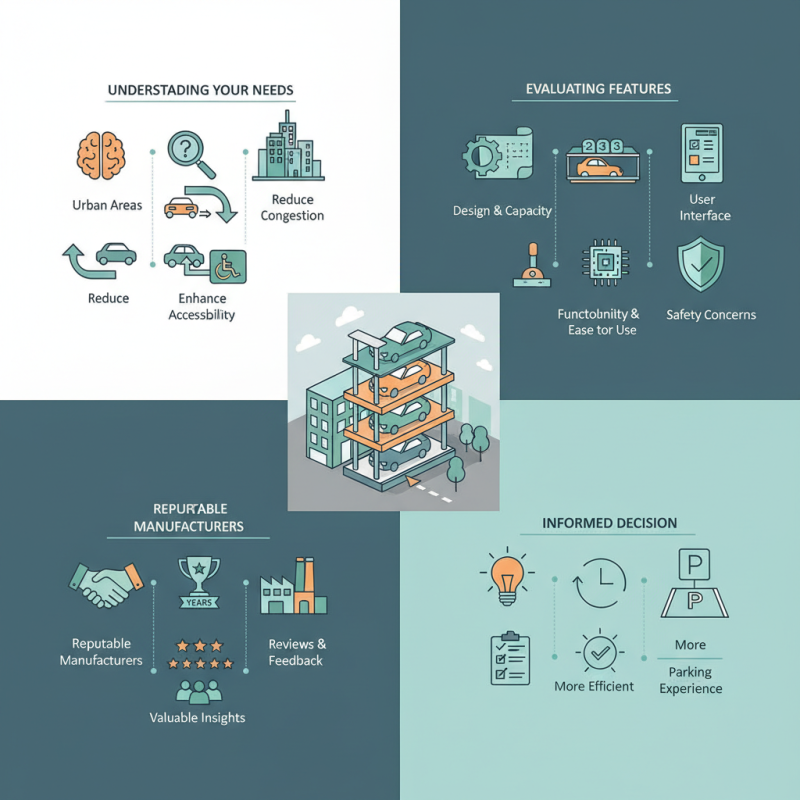
Choosing the right Stacked Car Parking Solutions can be a daunting task. With various options available, it’s vital to understand your needs. These solutions maximize space, making them ideal for urban areas. The right choice can reduce congestion and enhance accessibility.
Evaluating features is important. Consider the design, capacity, and user interface of the stacked system. Some systems are simpler, while others offer advanced technology. A balance between functionality and ease of use is essential. A poorly designed system can lead to frustration and safety concerns.
Researching reputable manufacturers adds credibility to your choice. Seek out companies with experience in the industry. Their expertise can guide you toward reliable solutions. Understanding reviews and feedback from current users can provide valuable insights. Making an informed decision can lead to a more efficient parking experience.
Understanding Stacked Car Parking Solutions
Stacked car parking solutions are becoming increasingly vital in urban settings. They maximize space usage, particularly where land is limited. According to a report by the International Parking Institute, these systems can save up to 50% of the area typically required for traditional parking. This efficiency is essential as cities grapple with mounting vehicle populations.
One prevalent type is the automated stacked parking system. This technology relies on mechanical lifts to stack cars, allowing for higher density without extending the parking footprint. A study from the National Parking Association highlights that these systems reduce the turnaround time for parking and retrieval. However, integration may not be seamless. User familiarity and maintenance challenges are considerations that need to be addressed.
Understanding local zoning regulations and architectural constraints is critical when selecting a stacked parking solution. Some designs may not fit within specific city guidelines. The complex installation process requires expertise, highlighting the importance of consulting with professionals. Decision-makers often overlook long-term maintenance costs, which can impact overall efficiency. Assessing both short and long-term implications ensures a more sustainable implementation.
Benefits of Stacked Car Parking Systems
Stacked car parking systems are becoming increasingly popular in urban environments. They provide a practical solution to limited parking spaces. These systems verticalize vehicle storage, allowing more cars to fit in a smaller footprint. By maximizing space efficiency, they reduce congestion and provide easy access for drivers.
One key benefit of stacked car parking is the reduction in land usage. Urban areas often face challenges with real estate. Implementing these systems can prevent the need for extensive parking lots, leaving space for green areas or commercial developments. Moreover, they can enhance property values in densely populated neighborhoods.
However, there are challenges to consider. The initial cost of installing a stacked car system can be high. Maintenance and operator training are also essential for effective functioning. While they offer innovative solutions, potential users must evaluate their local requirements and infrastructure. The balance between benefits and implementation hurdles is crucial for making informed decisions.
How to Choose the Best Stacked Car Parking Solutions? - Benefits of Stacked Car Parking Systems
| Feature | Benefit | Considerations |
| Space Efficiency | Maximizes parking space, allowing more cars in a limited area. | Determine height restrictions and layout suitability. |
| Automation | Reduces the need for personnel, streamlining the parking process. | Initial investment may be high. Evaluate maintenance options. |
| Safety Features | Enhances security and reduces accidents within the parking facility. | Ensure compliance with local safety regulations and standards. |
| Flexibility | Can adapt to different vehicle sizes and parking needs. | Consider future growth and changing vehicle trends. |
| Cost-Effectiveness | Long-term savings through optimized parking and reduced land use. | Calculate ROI considering installation and operational costs. |
Key Factors to Consider When Choosing Stacked Parking
When selecting stacked car parking solutions, understanding the available space is crucial. Take measurements of your parking area. Consider the height and width of your vehicles. A solution may fit well, but could your vehicle safely access it? These factors are not always straightforward.
Safety is another essential consideration. Look for features that enhance stability. Check if the design allows for easy entry and exit. Additionally, investigate the materials used. They should withstand wear and tear over time. Not every product guarantees this durability. Sometimes, less expensive options show signs of wear too quickly, leading to additional costs.
Finally, think about how the system integrates into your existing layout. Will it affect traffic flow or convenience for users? Analyze the operational efficiency against visual appeal. Not every solution combines both well. Reflecting on these aspects can lead to a more informed choice.
Types of Stacked Car Parking Systems Available
When selecting a stacked car parking system, understanding the types available can significantly impact efficiency and user experience. Common types include mechanical systems, where vehicles are moved via lifts and conveyor belts, and gravity systems, which rely on ramps to stack cars. According to a report from the International Parking Institute, nearly 30% of urban parking spaces are underutilized, highlighting the need for innovative solutions.
Mechanical systems are more advanced and often accommodate more vehicles in a smaller footprint. They tend to allow quicker access, though installation and maintenance costs may be higher. Gravity systems, while less complex, can sometimes lead to longer retrieval times. It’s essential to consider the layout of the area. A well-designed system will optimize space without sacrificing convenience.
In terms of reliability, a report by the National Parking Association suggests that users often express concerns over the safety of mechanical systems. Regular maintenance checks are critical. While innovations continue to improve these technologies, failures can cause delays and frustrations. Evaluating user needs against the specific strengths and weaknesses of each system is crucial for making an informed decision.
Stacked Car Parking Solutions Comparison
Evaluating Space Requirements for Stacked Parking Solutions
When considering stacked car parking solutions, evaluating space requirements is crucial. Different structures can hold varying numbers of vehicles. Knowing the dimensions of your available area helps determine the design that best fits. For instance, narrow spaces might limit options, while wider areas can accommodate multiple rows vertically or horizontally.
Height is another factor. Low ceilings can restrict certain stacked systems. Some designs allow for a maximum height of vehicles, while others do not. Assess the average vehicle height in your region. Missing these details can lead to costly alterations. Failing to consider these elements may result in inefficiencies or even safety hazards.
Think about traffic flow as well. How will cars enter and exit the parking system? Confusing layouts may frustrate users. Ensure that access points are clear and easy to navigate. Sometimes, a seemingly simple design can complicate operations. Reflect on current and future needs as well. Will your requirements change over time? Planning for flexibility can save significant headaches in the long run.