How to Choose the Best Quick Connect Couplers for Your Needs?

When selecting Quick Connect Couplers, understanding your specific needs is crucial. These couplers are essential for various applications, from automotive to industrial uses. The right choice can enhance efficiency and safety. However, options can be overwhelming.

Assessing the materials, sizes, and designs of Quick Connect Couplers is vital. Each type serves a different purpose, and using the wrong one can lead to failure or damage. It’s important to recognize the environments in which these couplers will operate. If you overlook this, your equipment may suffer.

Don't underestimate the value of consulting experts or manufacturers. Their insights can guide you toward making better decisions. Choosing the best Quick Connect Couplers requires careful thought. Avoid rushing this process; the wrong choice can cost you time and money. Recognize that finding the perfect fit may involve some trial and error.
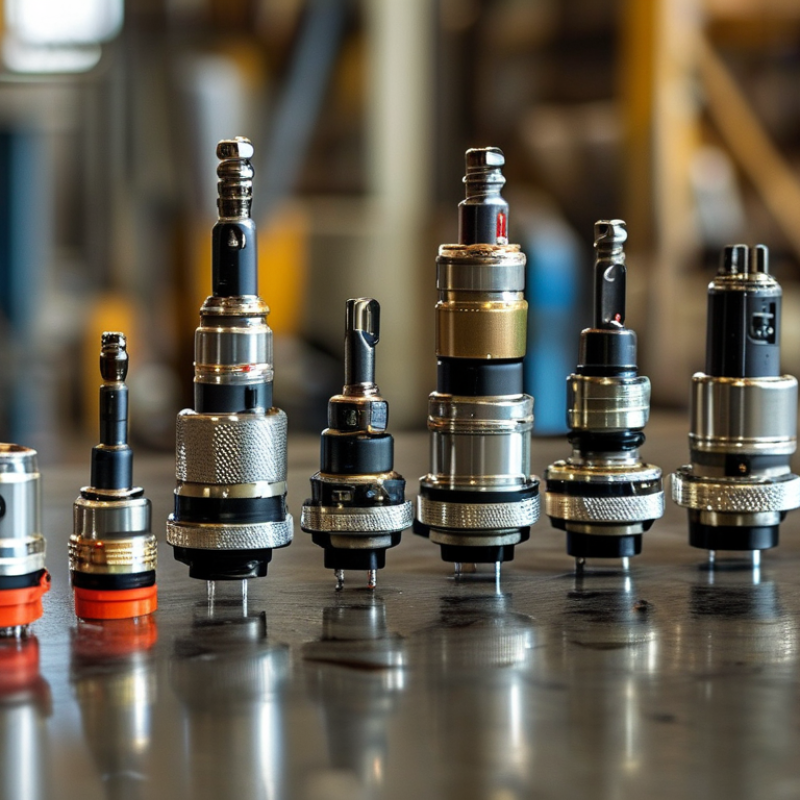
How to Choose the Best Quick Connect Couplers for Your Needs?

Understanding Quick Connect Couplers and Their Applications

Quick connect couplers are essential components in various industries. These couplers allow for fast and easy connections of hoses and pipes without the need for tools. Understanding their applications helps users select the right one for their specific needs. Common applications include air hoses, water systems, and hydraulic machinery.

Tips: Consider the pressure ratings of couplers. Different applications require different levels of durability and strength. Ensure the coupler can handle the intended pressure for safety.

Material choice is equally important. Some couplers are made from plastic, while others are metal. Each material has its benefits and drawbacks. Plastic is lightweight but may not be as durable. Metal offers strength but can be heavier to handle.

Choosing the right quick connect coupler requires careful thought. Users often overlook compatibility with existing equipment. Matching sizes and threading types can prevent leaks and performance issues. An incompatible coupler may not withstand operation conditions, leading to costly repairs or replacements. Always test a new coupler in a controlled environment first before full deployment.

Identifying Your Specific Needs and Requirements

Choosing the best quick connect couplers begins with understanding your specific needs. Assessing your application is crucial. For example, consider the media being transferred. Are you working with fluids, gases, or air? The material compatibility can influence the performance of the coupler. Reports indicate that 30% of failures in coupler systems arise from incorrect material choices.

Pressure ratings are another vital factor. Many applications require couplers to withstand high pressures. According to recent data, 25% of users overlook pressure requirements, leading to safety hazards. It’s essential to match the coupler's specifications with the demands of your equipment. Ensure your coupler can handle the maximum pressure and temperature ranges.

Size and connection style also matter significantly. Couplers come in various sizes. Selecting the right size ensures proper flow rates and prevents leakage. Additionally, the method of connection should align with your system. Some applications may require push-to-connect types for quick disengagement. However, consider your need for durability versus speed of operation. Reflecting on these factors leads to a more informed decision.

Analyzing Different Types of Quick Connect Couplers

When choosing quick connect couplers, understanding the various types available is essential. There are several categories, including push-to-connect and threaded couplers. Push-to-connect couplers are user-friendly and often used in pneumatic systems. They allow for swift attachment and detachment, minimizing downtime. Threaded couplers, on the other hand, offer a secure fit. They are ideal for high-pressure applications, ensuring reliability.

Tips: Consider your application’s pressure requirements. If pressure is high, threaded options may be better. Evaluate your workspace—tight areas may favor push-to-connect designs.

Different materials also play a vital role in performance. Plastic couplers are lightweight but may not withstand extreme conditions. Metal couplers, while heavier, offer increased durability. Pay attention to the environment where these couplers will be used. Temperature and exposure to elements can significantly affect material choice.

Tips: Test couplers in live conditions before full-scale implementation. Observe their performance under stress. Reliability is not just about function; it’s also about safety. Always prioritize secure connections to prevent leaks.

Comparison of Different Types of Quick Connect Couplers

Evaluating Quality and Durability in Quick Connect Couplers

When selecting quick connect couplers, evaluating their quality and durability is paramount. High-quality couplers should be made of robust materials capable of withstanding various environmental conditions. This includes exposure to moisture, heat, and mechanical stress. Not all couplers are created equal, and poor choices can lead to leaks, failures, and costly repairs.

Look for solid construction and reliable seals. A coupler with a reliable locking mechanism ensures a secure connection, reducing the risk of accidental disconnection. Additionally, it’s crucial to consider compatibility with your existing equipment. Testing under actual working conditions can reveal potential weaknesses.

Durability often correlates with the manufacturer’s reputation. Researching user reviews can provide insights into real-world performance. Beware of couplers that seem too cheap; they may compromise safety and efficiency. Proper maintenance can extend the life of your couplers, so it’s wise to prioritize ease of cleaning and accessibility. Choosing wisely today can prevent issues down the line.

Considerations for Installation and Maintenance of Couplers

When choosing quick connect couplers, installation and maintenance are crucial aspects to consider. Proper installation can prevent leaks and ensure efficiency. First, ensure that the couplers you select match the specifications of your systems. Compatibility is vital. Take time to read the manufacturer’s guidelines for installation. Improper alignment can lead to significant issues.

Maintenance is another key consideration. Regularly inspect the couplers for wear or damage. Look for cracks or degradation in materials. A small crack can cause a major leak, leading to downtime. Cleaning couplers can also enhance their lifespan. Use appropriate cleaning methods that avoid damaging seals. Regular maintenance checks keep performance reliable.

It's essential to reflect on the unique needs of your application. Sometimes, the best choice may not be the most popular option. Analyze your usage patterns diligently. Consider factors such as pressure levels and frequency of use. This analysis can reveal insights into the right product for you. Don't rush this process; take your time to gather information.

Warning!

You are using an outdated browser. Things may not appear as intended. We recommend updating your browser to the latest version.

Close