How to Choose the Right Hydraulic Cargo Lift for Your Needs?

Choosing the right hydraulic cargo lift can significantly impact efficiency and safety in material handling. According to a recent industry report by the Material Handling Industry Association, the demand for hydraulic cargo lifts is expected to grow by 7.5% annually through 2025. This growth reflects a rising emphasis on optimizing logistics and warehouse operations. Selecting an appropriate lift involves evaluating capacity, height, and design tailored to specific needs.

One must consider the dimensions and weight of the loads being moved. Hydraulic cargo lifts come in various specifications to serve different applications. For instance, a lift with a 2-ton capacity might be ideal for small warehouses, while larger facilities may require lifts capable of handling up to 10 tons. Not all lifts are suitable for every environment, and understanding your unique requirements can prevent costly mistakes.

Additionally, maintenance plays a crucial role in the longevity of hydraulic systems. Regular checks can prevent unexpected downtimes. The reliance on hydraulic systems means that poor choices can lead to serious safety risks. Therefore, consulting with experts and analyzing industry reports can provide valuable insights. A thoughtful approach ensures the right hydraulic cargo lift enhances productivity and meets industry standards.
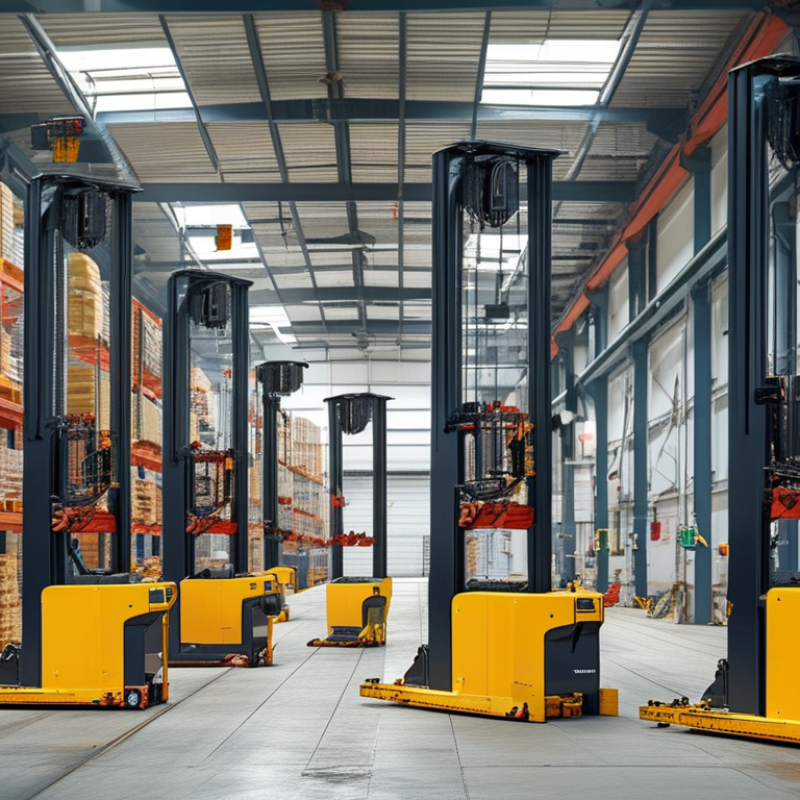
How to Choose the Right Hydraulic Cargo Lift for Your Needs?

Understanding Your Cargo Lifting Requirements and Specifications

When selecting a hydraulic cargo lift, understanding your cargo lifting requirements is crucial. Assess the weight and dimensions of the items you plan to lift. Different lifts support various weight limits, and knowing your maximum load can prevent equipment overload. Measure the height necessary for lifting. Consider the space available for the lift and ensure adequate clearance.

Tip: Create a weight checklist. Document the heaviest items to help with your decision.

Examine the lift’s specifications. Look for features such as safety measures, control options, and power sources. Safety should be a priority. Failing to choose a lift that meets safety standards can lead to accidents. Also, consider the environment where you will use the lift. Indoor and outdoor lifts have different requirements.

Tip: Consult a professional. They can provide insights tailored to your needs. This step can save you time and money in the long run.

Think about long-term usage. Will your needs change over time? A versatile lift can adapt better. Avoid focusing solely on initial costs; consider maintenance and operational efficiency. Choose wisely to ensure you invest in a solution that meets your future requirements.

Types of Hydraulic Cargo Lifts and Their Applications

When selecting a hydraulic cargo lift, it’s essential to understand the various types available and their specific applications. Forklift lifts are commonly used in warehouses. They allow for easy loading and unloading of heavy cargo. Scissor lifts, on the other hand, are more versatile. They elevate cargo vertically and are ideal for construction sites. Platform lifts cater to moving materials between different floor levels in commercial buildings.

In addition to knowing the types, consider the lift capacity you need. Heavy-duty lifts can handle several tons. Lighter models are suitable for smaller loads. Think about the space available as well. Some lifts are compact, fitting in tight areas, while others require ample room. It’s vital to assess your operational needs accurately.

Tips: Always check the lift's safety features. Emergency stop buttons and guard rails are crucial for user safety. Don't overlook regular maintenance. A well-maintained lift operates more efficiently and lasts longer. Reflect on your specific needs and environment. This will guide your decision to ensure you choose the right hydraulic lift for your operations.

Key Features to Consider When Selecting a Hydraulic Cargo Lift

Choosing the right hydraulic cargo lift is essential for enhancing productivity. Consider key features that match your specific needs. According to a report by the Material Handling Industry of America, the right lift can improve efficiency by up to 30%. Assess your load capacity requirement. Identifying whether your cargo exceeds 2,000 pounds is crucial for proper selection.

Safety features are non-negotiable. Look for systems equipped with overload protection. The American National Standards Institute recommends that lifts have emergency stop buttons for user safety. Additionally, inspect the leveling system; improper leveling can lead to accidents.

Tips: Regular maintenance checks are vital. Ensure hydraulic fluid levels are adequate. This helps in maintaining lift performance and safety. User training offers added reliability. A knowledgeable team can prevent mishaps and improve operational efficiency. Choose wisely, and your investment will pay off.

Evaluating Safety Standards and Regulations for Cargo Lifts

When selecting a hydraulic cargo lift, safety is paramount. Compliance with safety standards is essential. These regulations vary by location but generally focus on design, usage, and operator training.

Tips: Always check local guidelines before installation. Each industry may have specific requirements. This ensures your equipment meets safety expectations.

Key safety features include overload protection and emergency stop buttons. A lift should also have proper signage, indicating weight limits and safe operating procedures. Regular maintenance checks can prevent unexpected failures.

Tips: Consider training staff on safety practices. Regular drills can help ensure everyone knows how to react in emergencies. An informed team promotes a safer work environment.

It's essential to stay updated on regulations. Safety standards evolve, and staying informed can lead to better decision-making. Reflect on past incidents to avoid repeating mistakes. Understanding compliance not only protects employees but also enhances the lift's performance.

How to Choose the Right Hydraulic Cargo Lift for Your Needs? - Evaluating Safety Standards and Regulations for Cargo Lifts

Lift Type Load Capacity (lbs) Platform Size (ft) Operational Height (ft) Power Source Safety Features Compliance Standards
Hydraulic Scissor Lift 4000 8 x 10 16 Electric Safety Lock, Emergency Stop OSHA, ANSI
Hydraulic Pallet Lift 2200 4 x 6 12 Manual Fork Protection, Steadying Straps CE, ISO 9001
Tilt Table Lift 3000 5 x 5 10 Hydraulic Emergency Descent, Safety Bar ASME, CSA

Assessing Budget and Maintenance Considerations for Your Choice

When selecting a hydraulic cargo lift, budget plays a crucial role. The average cost of hydraulic lifts can range from $10,000 to $50,000, depending on features and specifications. Investing in a sturdy lift reduces the need for frequent replacements. According to a 2021 industry report, 40% of lift owners noted that maintenance costs are significant over time. Understanding the total cost of ownership is essential.

Maintenance is often overlooked. Regular service can prolong the life of the lift. Research indicates that unscheduled downtime can cost businesses approximately $5,000 per hour. Regular checks can help. Factors such as the lift's load capacity and frequency of use will influence maintenance requirements. Many facilities find that automated diagnostics improve reliability.

Choosing the right lift isn't just about price; consider long-term investments. It's wise to consult experts or safety guidelines to avoid costly mistakes. Inadequate choices can lead to safety issues and operational delays. Reflection on past experiences may guide better decisions.

Hydraulic Cargo Lift: Budget and Maintenance Considerations

This chart illustrates the estimated costs associated with choosing a hydraulic cargo lift, including budget considerations, annual maintenance, installation, and operating costs. Assessing these factors will help you make an informed decision that aligns with your financial capabilities.

Warning!

You are using an outdated browser. Things may not appear as intended. We recommend updating your browser to the latest version.

Close