How to Choose the Best CNC Machine Shop for Your Needs?
Choosing the right CNC machine shop can significantly impact your project’s success. It’s critical to find a shop that meets your specific requirements. A CNC machine shop is not just a facility; it’s where your ideas will come to life.
Quality and precision are essential in CNC machining. Look for shops with advanced tools and experienced staff. They should demonstrate a good understanding of your industry. Additionally, consider communication. A responsive machine shop can help clarify design concepts. But don't expect everything to be perfect. Mistakes can happen, and it’s vital to assess how they handle challenges.
Price is also a key factor. While a low-cost shop may attract you, it might compromise quality. Balancing affordability with quality is crucial. Reflecting on your priorities will guide your decision-making. Ensuring you choose the right CNC machine shop requires careful thought and consideration.
Understanding Your CNC Machining Needs and Requirements
When choosing a CNC machine shop, understanding your specific needs is crucial. CNC machining is not a one-size-fits-all solution. Companies often face various machining requirements based on their projects. A report by Market Research Future indicates that the CNC machining market is expected to grow by 8% annually. This growth highlights the increasing importance of tailored machining solutions.
Consider the type of materials you need to work with. Whether it’s metals, plastics, or composites, knowing this helps in selecting the right shop. Some shops may specialize in specific materials. Others might lack experience with more complex requirements. Communication is essential; asking about past projects can reveal their skill set.
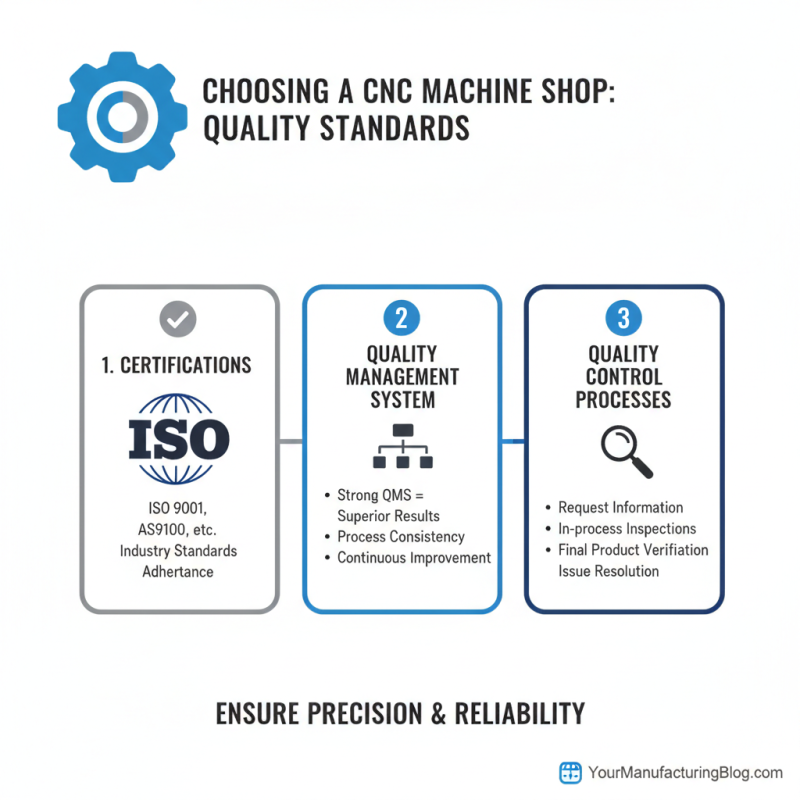
Quality and precision are non-negotiable. Industry standards suggest that tolerances should be maintained within 0.01 mm for most parts. Yet, many shops struggle to meet these standards consistently. Visiting potential CNC shops can provide insight into their capabilities. Look for signs of outdated technology or lack of certifications. These factors can negatively affect the quality of the final product. Ultimately, understanding your requirements can guide you in making a more informed decision.
How to Choose the Best CNC Machine Shop for Your Needs?
| Criteria |
Description |
Importance Level |
| Experience |
Years of operation, skill level of technicians. |
High |
| Capabilities |
Range of machines and technology available. |
High |
| Quality Assurance |
Standards for quality control and inspection processes. |
Very High |
| Lead Time |
Time required to complete projects. |
Medium |
| Customer Service |
Responsiveness and support throughout the project. |
High |
| Cost |
Pricing structure and overall affordability. |
Medium |
| Location |
Proximity to your business for shipping and visits. |
Medium |
Evaluating the Capabilities and Expertise of CNC Machine Shops
When evaluating CNC machine shops, their capabilities and expertise are crucial. A report by the National Tooling and Machining Association indicates that 70% of manufacturers consider machining precision vital for their success. Look for shops that showcase their past work, highlighting accuracy and craftsmanship. This transparency can reveal a shop's true abilities.
Furthermore, assess the shop's technology and equipment. Modern CNC machines can offer improved speed and quality. According to a survey from the Manufacturing Institute, 68% of companies report increased productivity with advanced CNC technology. However, not all shops keep their machines updated. Visit the facility if possible. It provides insight into their operations and standards.
Communication is another factor. A survey by IndustryWeek found that companies with strong communication practices see 35% fewer errors. Evaluate how potential shops respond to inquiries. Delays or vague answers may indicate underlying issues. Be cautious about shops that promise everything without evidence. Each aspect of your evaluation should lead to informed decisions.
Comparing Pricing Structures and Quotes from Different Shops
When choosing a CNC machine shop, pricing structures can vary widely. According to a recent industry report, pricing can differ by as much as 30% among shops for similar services. This variation reflects differences in operational costs, such as labor and equipment efficiency. Accurate quotes are vital. Request detailed breakdowns of charges from multiple shops.
Tips: Always compare apples to apples. Ensure you are considering similar services and materials when reviewing quotes.
Another factor to consider is the pricing model. Some shops charge per hour, while others may quote based on the project. A 2022 survey showed that 45% of companies preferred fixed pricing for predictability. Yet, hourly rates can be competitive if the project timeline is clear.
Tips: Don’t hesitate to ask questions. Clarify what each quote covers. Transparency will lead to better decision-making.
Evaluating these aspects will help identify the best fit for your needs. Remember, the cheapest option isn’t always the best. Quality and reliability should factor into your decision.
Reviewing Customer Testimonials and Case Studies for Reliability
When selecting a CNC machine shop, customer testimonials hold significant value. Reviews provide insights into previous clients' experiences. A shop with numerous positive testimonials often indicates reliability and quality work. However, one must approach these reviews critically. Some testimonials may be overly positive, lacking depth. Look for detailed accounts that describe specific projects and outcomes.
Case studies can be a goldmine of information. They showcase real-life examples of how the shop solved problems or met challenges. A well-documented case study reveals the shop’s expertise and adaptability. Yet, not all case studies highlight failures or lessons learned. A truly informative case study should include both successes and setbacks. This transparency can indicate a shop’s commitment to continuous improvement.
While testimonials and case studies are useful, they should not be the sole deciding factors. Consider scheduling consultations with potential shops. Conversations can reveal their communication style and willingness to understand your needs. Genuine engagement often reflects a shop's dedication to customer service. Take the time to explore various sources and compare experiences before making your choice.
Customer Satisfaction Ratings for CNC Machine Shops