How to Choose the Best Car Parking System for Your Business?
Choosing the right Car Parking System for your business can be a daunting task. With various options available, understanding your specific needs is crucial. Each business has unique requirements, whether you’re managing a retail space or an office building. A well-suited parking system can increase efficiency and enhance customer satisfaction.
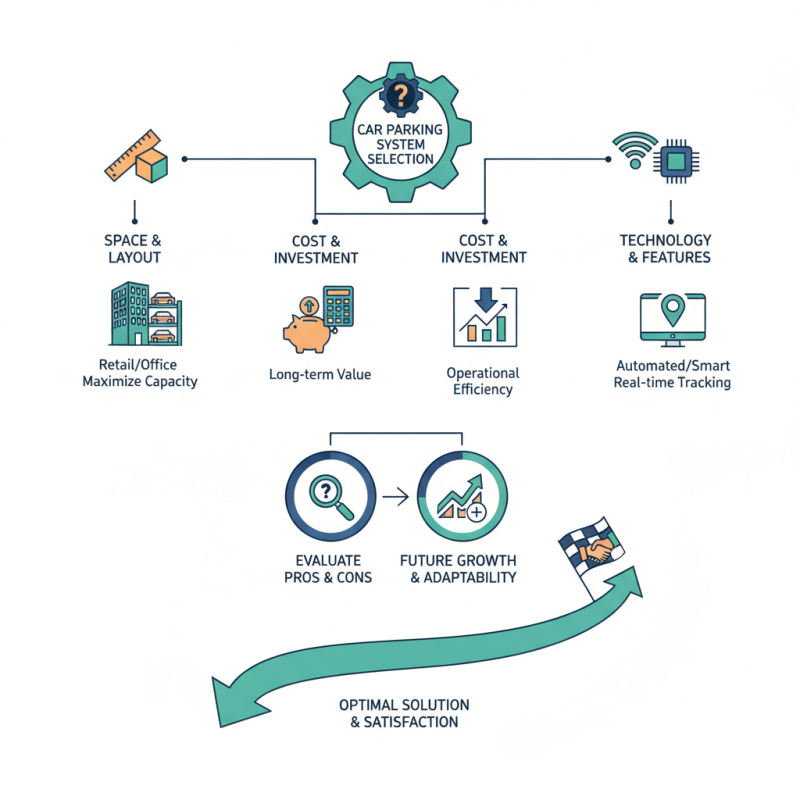
It's essential to consider factors such as space, cost, and technology. An effective Car Parking System should maximize available space while minimizing costs. Some systems might offer advanced features like automated parking or real-time occupancy tracking. However, not all solutions suit every business. You should carefully evaluate the pros and cons of each option.
Common mistakes include overlooking future growth or underestimating user experience. A reliable system should adapt to evolving needs. Engaging with professionals can offer insights, but ultimately, the decision rests with you. Assess your options, prioritize what matters, and move toward a solution that fits your vision.
Understanding Different Types of Car Parking Systems Available
Choosing the right car parking system is critical for business efficiency. Several types are available, each with distinct features. Automated parking systems utilize robotics to park cars, saving space and enhancing safety. According to a report by the International Parking Institute, such systems can increase parking capacity by up to 60%. This technology is growing in popularity, especially in urban environments.
Traditional parking garages remain common. They offer a lower initial investment but may require more space. It is essential to analyze the available area and traffic flow. Some businesses find that valet services are practical, providing convenience at a cost. However, they can introduce issues like management challenges and inconsistent service quality.
Electric vehicle (EV) charging stations are another emerging requirement. The Electric Vehicle Charging Association reports a 40% increase in demand for EV charging. Integrating these stations can attract eco-conscious customers but may lead to logistical hurdles. Evaluating your specific needs and the local demographic is vital to deciding which parking system best fits your business.
Assessing the Space and Layout Requirements for Your Business
When assessing space and layout requirements for a car parking system, understanding the dimensions of your business environment is crucial. According to a report from the International Parking Institute, approximately 30% of urban land is used for parking. This statistic highlights the importance of efficient space utilization. A detailed analysis of available parking space helps ensure optimal placement and flow, reducing congestion and maximizing accessibility.
Consider various factors like the number of vehicles to accommodate. Industry data indicates that a well-planned parking area can boost customer satisfaction by up to 40%. Furthermore, layouts should facilitate smooth traffic patterns to prevent bottlenecks. For example, angled parking can be a solution to limited space. Yet, it's essential to reflect on possible inefficiencies. An overly compact design may lead to difficulty in maneuvering for larger vehicles, which could disappoint users.
Utilizing advanced technology for space management is also vital. Smart parking solutions can enhance real-time space availability and guidance. However, these systems require space for the necessary hardware, which can complicate layout planning. Always question whether the chosen system meets practical needs without sacrificing the user experience. Continuous evaluation of both physical layout and technology is key to achieving long-term success.
How to Choose the Best Car Parking System for Your Business?
| Parking System Type | Space Required (sq. ft.) | Capacity | Installation Time | Cost Range ($) |
| Traditional Parking Lot | 3000 | 100 Cars | 2 Weeks | 15,000 - 30,000 |
| Automated Parking System | 2000 | 50 Cars | 1 Month | 50,000 - 100,000 |
| Valet Parking System | 1500 | 40 Cars | 1 Week | 10,000 - 25,000 |
| Multi-Story Car Park | 5000 | 200 Cars | 3 Months | 100,000 - 250,000 |
Evaluating the Budget and Costs Involved in Parking Systems
When evaluating the budget for a new parking system, several key factors emerge. The initial investment often varies based on the technology used. A study by the International Parking Institute revealed that automated parking systems can cost between $20,000 to $40,000 per space. In contrast, traditional parking setups usually cost around $5,000 to $10,000. This significant difference necessitates a thorough analysis of the long-term benefits versus upfront costs.
Operational costs also play a crucial role. Facilities may incur expenses for maintenance, electricity, and staff training. According to a report from the National Parking Association, operational costs can consume up to 30% of a parking facility's budget. It’s vital to remember that some advanced systems may reduce operational costs over time through automation. However, transitioning to new technologies can introduce temporary inefficiencies, warranting careful consideration.
Space optimization should also be factored into your budget. Well-designed systems can enhance parking capacity by up to 60%. Conversely, poorly planned setups may lead to wasted space and lost revenue. Ultimately, striking a balance between upfront costs and long-term value will impact your bottom line. Reflecting on these aspects is critical for making an informed decision about your parking system investment.
Analyzing User Experience and Accessibility Features in Design
When designing a car parking system, user experience and accessibility are critical. Studies show that 35% of users abandon their parking attempts due to poor signage or confusing layouts. Ensuring clear navigation within parking structures can significantly enhance customer satisfaction. Clear lines, intuitive signage, and well-marked pathways are essential. Moreover, systems should accommodate both able-bodied and differently-abled individuals. According to a report from the International Parking Institute, accessible parking features improve patronage by up to 25%.
Accessibility extends beyond physical spaces. Digital interfaces, such as mobile apps for real-time availability, must be user-friendly. Research indicates that 60% of users prefer apps that provide simple, quick access to parking locations. Introducing features like voice commands can further assist users with disabilities. Yet, design flaws often hinder these goals. It’s crucial to regularly gather feedback and perform usability tests. Failure to do so might alienate potential clients.
Color contrast is another consideration. High contrast can enhance visibility for those with visual impairments. However, many designs overlook this essential detail. A study revealed that 70% of parking facilities need better lighting to boost safety and accessibility. Investing in these areas can create a more welcoming environment for everyone.
Comparative Analysis of User Experience in Car Parking Systems
Considering Scalability and Future Expansion Needs for Parking Solutions
When considering parking solutions, scalability is crucial. Businesses grow, and so do their parking needs. A flexible system can adapt to changing requirements. It prevents over-investment in hardware that becomes obsolete. Evaluate options that allow for easy expansion, like modular systems. These systems can be updated as your business evolves.
Think about the future layout of your parking environment. Will you host more vehicles? What about electric car charging stations? Anticipating these needs can guide your decision. A reliable system should accommodate these enhancements without significant redesign. Choose solutions that can integrate with existing technologies. This ensures a smooth transition.
It's essential to involve stakeholders in this decision. Gather input from those who will use the parking systems. Their insights reveal practical challenges. Not every solution is a one-size-fits-all approach. Reflect on past experiences and assess their impact on the workspace. This step is vital for long-term success.