How to Choose the Best Aluminum Die Casting Mold for Your Needs?
Choosing the right Aluminum Die Casting Mold is crucial for efficient production. According to the “Global Aluminum Die Casting Market Report,” the industry is expected to grow by over 6% annually. This growth reflects increasing demand across sectors like automotive and consumer goods.
Expert David Johnson, a leading figure in die casting technology, states, “Selecting the right mold is essential for both quality and cost-efficiency.” His insights highlight the importance of understanding material specifications and production volumes.
When faced with various options, manufacturers often overlook critical details. The right mold can minimize defects, improve durability, and enhance overall performance. Assessing your specific needs, such as part intricacy and production quantity, becomes vital. The wrong choice can lead to wasted resources and time. Emphasizing informed decisions in selecting Aluminum Die Casting Molds will yield optimal results in the long run.
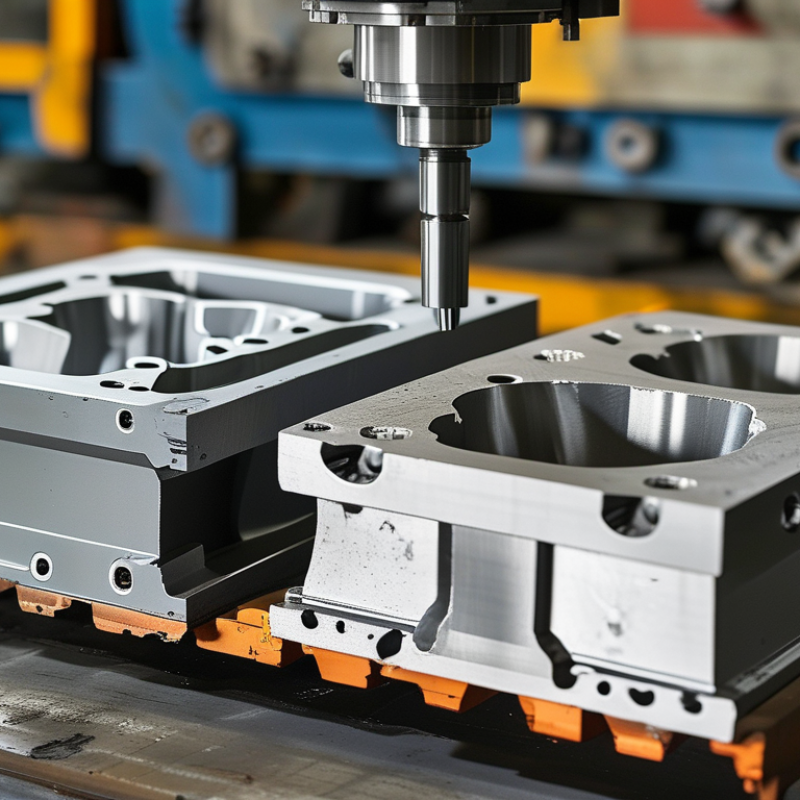
Understanding Aluminum Die Casting Molds and Their Applications
Aluminum die casting molds play a crucial role in manufacturing. Their primary function is to produce parts with precise dimensions and intricate designs. Understanding their applications is essential for choosing the right one for your needs. Industries such as automotive, electronics, and aerospace rely on these molds for various components. Each application demands different specifications, influencing mold design and material selection.
For example, automotive parts require molds that can withstand high temperatures and provide durability. In contrast, molds for electronic applications must focus on precision and fine details. It's essential to assess the production volume and complexity of the component. Higher volumes may necessitate more robust molds, while low-volume runs can benefit from simpler designs.
Despite their advantages, not all molds perform perfectly. Some may struggle with maintaining consistency during high-volume production. Others might face challenges with material flow or cooling. These imperfections warrant careful consideration and ongoing assessment for optimal results. Regular reflection on the mold's performance can lead to improvements and better alignment with production goals.
Factors to Consider When Choosing an Aluminum Die Casting Mold
Choosing the right aluminum die casting mold involves several critical factors. Understanding your design specifications is paramount. The complexity of the part dictates mold design. A study indicated that over 70% of production issues arise from inadequate mold design. This highlights the need for precise engineering.
Material selection is another vital consideration. High-quality aluminum alloys are essential for durability and performance. Research suggests that using superior alloys can improve the lifespan of molds by up to 30%. However, not all molds require premium materials. Balancing budget constraints with performance needs requires careful thought.
Additionally, manufacturing processes affect mold effectiveness. The cooling time, filling speed, and injection pressure play significant roles. Each parameter impacts the cycle time and overall part quality. Some manufacturers report cycle times varying by up to 25%, depending on these factors. Understanding these intricacies ensures better outcomes in production. It’s crucial to involve experienced engineers in the decision-making process to avoid costly mistakes.
How to Choose the Best Aluminum Die Casting Mold for Your Needs?
| Factor | Description | Importance Level |
| Material Quality | Consider the type of aluminum alloy used for durability and performance. | High |
| Mold Design | Evaluate the complexity of the design and ensure it meets your specifications. | Medium |
| Production Volume | Determine the quantity of components required to choose the right mold type. | High |
| Lead Time | Consider the time required for mold production to meet your project deadlines. | Medium |
| Budget | Assess the cost of the mold against your budget constraints. | High |
| Supplier Experience | Evaluate the supplier's expertise and track record in producing aluminum die casting molds. | High |
| Post-Production Support | Inquire about the support provided after the mold is delivered, including maintenance and repairs. | Medium |
Types of Aluminum Die Casting Molds and Their Advantages
When selecting aluminum die casting molds, understanding the types available is crucial. There are several primary types: gravity, low pressure, and high pressure molds. Each type offers unique advantages that can significantly affect production outcomes.
Gravity die casting molds are often favored for their simplicity and cost-effectiveness. They allow aluminum to flow into the mold with the help of gravity, creating parts with excellent surface finishes. However, they may not be suitable for more complex designs or high-volume production.
Low pressure molds, on the other hand, use controlled pressure to fill the mold, resulting in fewer air pockets and higher density. This method enhances the mechanical properties of the final product, but it may require more investment upfront.
High pressure die casting molds are typically used for mass production of intricate parts. They provide greater precision and can produce components with thinner walls. However, this method can lead to longer lead times and increased costs. It's vital to weigh these factors, considering the specific needs of your production. Each mold type comes with trade-offs, and reflecting on these nuances is essential for making an informed decision.
Assessing Quality and Durability in Die Casting Molds
When assessing quality and durability in die casting molds, it’s crucial to consider material selection. Aluminum molds should be made from high-grade aluminum alloys. These materials ensure that molds can withstand high temperatures during the casting process. High thermal conductivity is vital for even heat distribution. A mold that retains heat could lead to defects in the cast product.
The design of the die casting mold also impacts its longevity. A mold with a complex design may be more difficult to maintain. Regular inspections can help identify wear and tear early. Look for molds that offer ease of maintenance. This can save time and cost in the long run. Additionally, understanding the molding process is essential. Designing molds for specific applications requires expertise.
It’s important to verify the manufacturer's credibility. Look for certifications that ensure quality standards. Customer feedback and industry reviews can provide insight into mold performance. A reliable mold supplier will offer a warranty or support. This adds a layer of trust to your investment. Ultimately, balancing quality with practicality is key. Frequent evaluation of both performance and conditions is necessary.
Cost vs. Performance: Making an Informed Decision on Molds
When selecting an aluminum die casting mold, cost and performance are crucial. A low-cost mold may save money upfront but could lead to higher production costs later. Poor quality molds can result in defects, waste material, and rework. Factoring in potential long-term expenses is essential. A mold that lasts longer can reduce costs in the long run. It’s a balancing act between initial investment and durability.
Understand your project requirements clearly. For high-volume production, investing in a durable mold pays off. It produces consistent quality parts. Short-term projects might not require such an investment. Additionally, analyze material quality. Aluminum alloys differ in performance and applications. Your choice influences mold longevity and part quality. Engage with experienced professionals for advice. They can guide you through the complexities.
Reflecting on mold selection may reveal overlooked factors. Are there unique design requirements? What is the expected production cycle? Addressing these questions helps refine your decision. Sometimes, the cheapest option results in the highest costs due to inefficiencies. Revenues gained from high-quality production can justify higher mold costs, leading to sustainable growth.
Cost vs Performance for Aluminum Die Casting Molds
This chart compares the performance scores of aluminum die casting molds based on cost categories. Lower cost molds tend to offer adequate performance, while medium and high cost molds provide significantly better performance, making them suitable for more demanding applications.