How to Choose the Best Aluminium Door Profile for Your Needs?
When selecting the best Aluminium Door Profile for your home or business, many factors come into play. Aluminium door profiles differ in design, durability, and functionality. Each option offers unique advantages that cater to specific needs and preferences. Understanding these aspects is crucial.
Aluminium is known for its strength and resistance to weather conditions. A quality Aluminium Door Profile can enhance security while providing aesthetic appeal. However, not all profiles are the same. Consumers often overlook crucial details like finish and insulation properties. These can significantly affect both performance and energy efficiency.
Navigating through the available options can be daunting. It’s essential to consider both style and practicality. Relying on expert advice can help you make informed decisions. However, each choice requires thoughtful reflection on your specific situation and environment. The best Aluminium Door Profile should not only meet your expectations but also adapt to the evolving needs of your space.
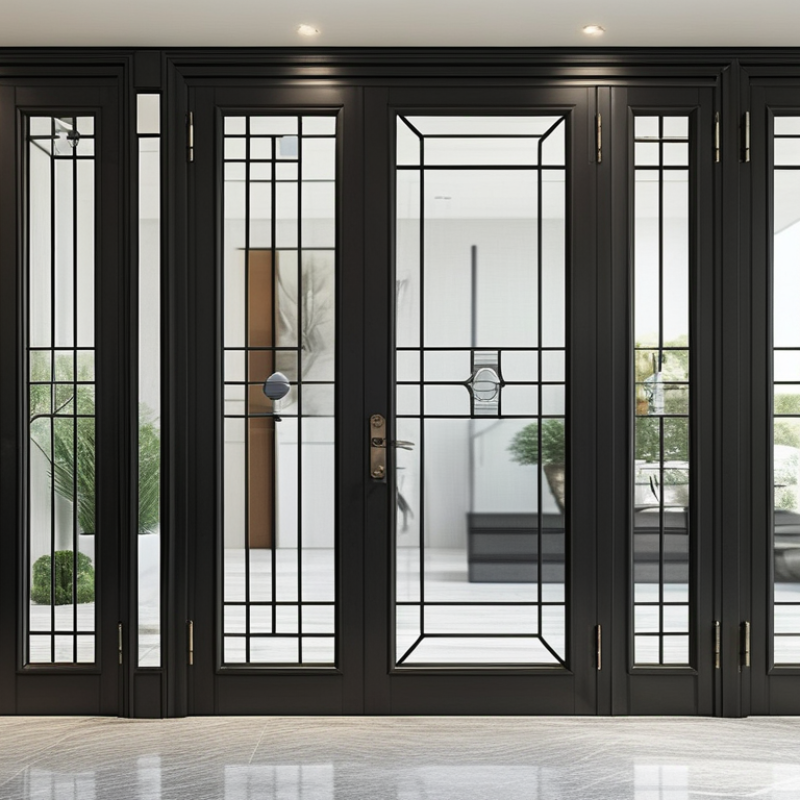
Understanding Different Types of Aluminium Door Profiles Available
When selecting the right aluminium door profile, it's crucial to understand the various types available. Generally, aluminium profiles fall into three main categories: thermal break, non-thermal break, and architectural. Each type serves specific needs, contributing to energy efficiency, durability, and aesthetic appeal.
Thermal break profiles are increasingly popular due to their energy-saving potential. According to a report by the Aluminium Federation, these profiles can improve thermal efficiency by up to 60%. This makes them ideal for climates with extreme temperatures. On the other hand, non-thermal break profiles, while usually more affordable, may lead to higher energy bills, especially in harsh weather conditions. They work well in interior applications or mild climates.
Architectural profiles provide a blend of performance and style. They are designed for high-end projects, often showcasing sleek lines and modern aesthetics. Many designers prefer these profiles for their versatility and durability. However, quality can vary significantly, emphasizing the need for thorough research before purchase. Understanding these profiles' advantages and limitations can greatly impact your decision-making process.
Key Factors to Consider When Selecting Aluminium Door Profiles
When selecting aluminium door profiles, several key factors come into play. One primary consideration is the thermal performance. Data from industry reports indicate that high-quality aluminium profiles can reduce energy consumption by up to 25%. This is particularly important for those living in regions with extreme temperatures.
Durability is another essential factor. Aluminium profiles require less maintenance compared to wood or PVC options. Reports show that aluminium can withstand harsh weather conditions for over 30 years without significant deterioration. However, choosing profiles with appropriate coatings is vital to prevent corrosion.
Tip: Always check for a warranty on aluminium door profiles. A standard warranty usually spans 10 years and can reflect the manufacturer's confidence in their product.
Another aspect to consider is the aesthetic appeal. Different finishes and styles can complement various architectural designs. It can be tempting to focus solely on functionality, but visual details are critical.
Tip: Create a mood board featuring different aluminium finishes. This can aid in visualizing how profiles will look in your space. Balancing practicality with style is essential for a successful selection.
Assessing Durability and Weather Resistance in Door Profiles
When selecting an aluminium door profile, assessing durability and weather resistance is crucial. Research indicates that profiles should withstand various environmental factors. For instance, a study by the Aluminium Door and Window Manufacturers Association (ADWMA) found that high-performance doors can resist winds up to 130 mph. This resistance is vital in storm-prone areas.
Temperature fluctuations can cause expansion and contraction in materials. Profiles with a thermal break feature are less susceptible to these stresses. A significant percentage of failures in door profiles originate from these temperature changes. Choose products with a high thermal insulation value to mitigate issues.
Tips: Look for doors rated for specific weather conditions. Check for certifications that guarantee weather resistance. Additionally, frequent inspections can reveal potential weaknesses early. Don't overlook the importance of seals and gaskets, as they play a critical role in protecting against moisture and air infiltration.
Aluminium Door Profile Durability and Weather Resistance Assessment
Comparing Aesthetic Options and Customization for Aluminium Doors
When selecting aluminium door profiles, aesthetics and customization are key factors. Aluminum doors offer a sleek and modern appearance. According to industry reports, 70% of homeowners prioritize design when choosing doors. The material's versatility allows for various styles, colors, and finishes. You can choose from matte, glossy, or textured surfaces. Customization options further enhance their appeal, tailoring each door to fit unique spaces.
A recent survey indicated that 65% of architects recommend bespoke solutions for residential projects. This approach allows homeowners to select specific features. Options include different frame shapes, panel styles, and even hardware. Engaging with professionals ensures that the design remains functional. However, some may overlook energy efficiency during customization, which can lead to higher utility costs over time. It's essential to balance aesthetic desires with practical needs.
Understanding the full range of options can be overwhelming. Many people get lost in trends, forgetting the significance of personal preference. Remember, the perfect door profile should reflect your taste while meeting functional requirements. With careful consideration, you can achieve both beauty and practicality in your aluminium doors.
Budgeting and Cost Considerations for Aluminium Door Profile Choices
When budgeting for aluminium door profiles, it’s crucial to consider both initial costs and long-term value. According to industry reports, quality aluminium profiles can range from $50 to $120 per linear foot. This variation reflects differences in thickness, finishes, and design complexity. While it may be tempting to choose the cheapest option, investing in higher-quality materials can lead to lower maintenance costs over time. Installation costs also play a significant role. Professional installation for aluminium doors typically adds another $200 to $1,000 to the overall price. Some reports indicate that improper installation can lead to air leaks and increased energy bills. Thus, hiring qualified professionals is a wise choice. Consider potential savings from energy efficiency. High-performance doors can reduce heating and cooling costs by up to 15%.
Additionally, think about unforeseen expenses. For instance, replacements may arise sooner than expected with low-cost materials. A study indicated that over half of homeowners regretted their choice due to durability issues. Balancing upfront costs with long-term benefits is not easy but essential for making a wise decision.