Why Choose Waterproof Cable Sleeve for Your Projects?
In today's fast-paced world, ensuring the safety and longevity of electrical projects is paramount. That's where the Waterproof Cable Sleeve comes into play. These sleeves offer fantastic protection against moisture, corrosion, and environmental stresses. Whether you are working on outdoor installations or in humid conditions, they provide a reliable solution.
The benefits of using a Waterproof Cable Sleeve extend beyond just shielding wires. They also enhance organization and streamline project aesthetics. A well-organized workspace can improve efficiency. However, it's important to note that not all sleeves are created equal. Some may lack the durability needed for challenging environments.
Investing in high-quality Waterproof Cable Sleeves is crucial. It can save time and costs in the long run. Yet, a common mistake is selecting based solely on price. Take the time to evaluate the materials and reviews. Make informed choices that will ultimately protect your projects effectively.
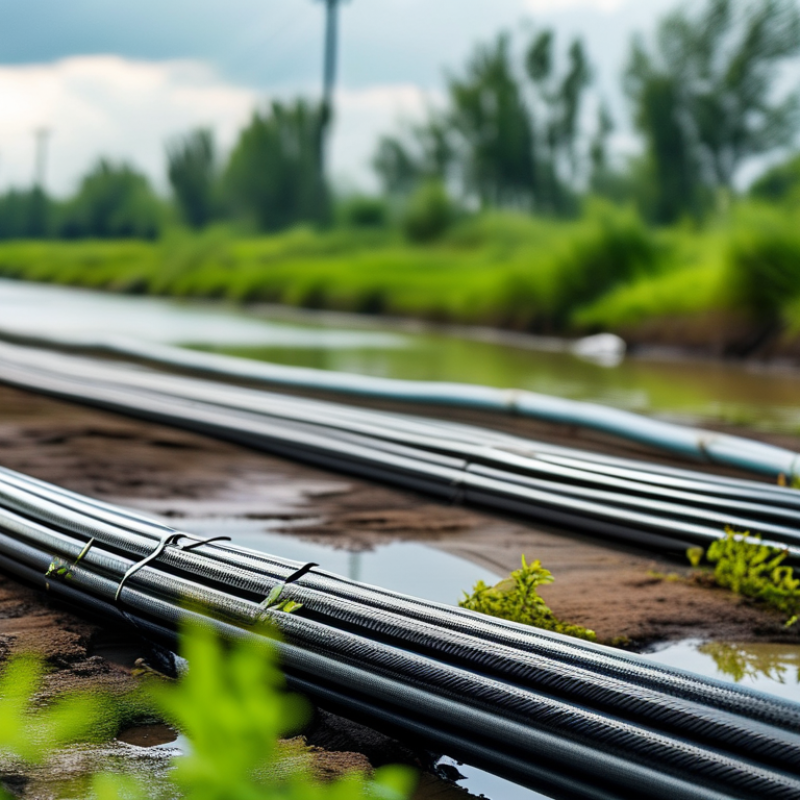
Benefits of Using Waterproof Cable Sleeves in Various Applications
Waterproof cable sleeves are essential in many applications. They protect wires from moisture, dust, and other environmental hazards. Using these sleeves can enhance safety and prolong the lifespan of electrical connections.
In outdoor settings, waterproof cable sleeves are indispensable. They prevent water damage, which can cause electrical failures. Many professionals in construction and marine industries rely on these durable sleeves. It's important to choose sleeves based on specific environmental conditions. Evaluating factors like temperature and exposure to the elements will ensure optimal performance.
Tip: When installing, ensure the sleeves are tightly fitted. Loose sleeves can defeat their purpose. Test connections after installation to confirm effectiveness.
In more complex setups, like automotive or industrial machinery, waterproof cable sleeves provide robustness. They help to avoid short circuits caused by water ingress. This can save both time and costs related to repairs. Understanding the installation process is crucial for maximizing benefits.
Tip: Label cables after installing waterproof sleeves. This will help keep track of connections and make future maintenance easier. Inspect cables regularly to maintain their integrity.
Benefits of Using Waterproof Cable Sleeves in Various Applications
Types of Waterproof Cable Sleeves and Their Functional Features
Waterproof cable sleeves are essential in various projects, providing durability and protection. Several types of waterproof cable sleeves are available, each with unique features. These materials often include plastic, silicone, and fabric, each offering different levels of flexibility and resistance to environmental factors.
For example, polyethylene sleeves boast high resistance to moisture and chemicals, making them suitable for harsh outdoor conditions. According to industry reports, around 45% of wiring failures stem from moisture damage. In contrast, silicone sleeves are more flexible, allowing for easy installation and movement while still offering significant protection. This flexibility is crucial in applications where cables must bend regularly.
Additionally, fabrics such as nylon can provide additional mechanical protection. These sleeves generally protect cables from abrasion and impact. Interestingly, a study revealed that using protective sleeves can extend the lifespan of cables by up to 30%. Choosing the right type of waterproof cable sleeve depends on project needs, environmental conditions, and specific cable types. Each choice reflects a balance between protection and flexibility, highlighting the complexity of achieving optimal cable management.
How Waterproof Cable Sleeves Improve Safety and Durability
Waterproof cable sleeves play a crucial role in enhancing safety and durability in various applications. According to a report by the International Electrotechnical Commission, around 10% of electrical failures are linked to inadequate insulation and exposure to environmental elements. Waterproof sleeves provide an effective barrier against moisture, dust, and chemicals, thus mitigating these risks. Their construction often includes materials like silicone or nylon, which are known for their resistance to extreme temperatures and corrosion.
In industrial settings, the importance of these sleeves cannot be overstated. Equipment failures due to water damage can lead to significant downtime and increased maintenance costs. A study published by the National Electrical Manufacturers Association states that over 30% of electrical malfunctions are preventable with proper insulation. Waterproof sleeves can dramatically extend the lifespan of wiring systems by protecting them from harsh conditions. However, it’s essential to choose sleeves that match specific environmental requirements, as not all sleeves are created equal.
Reflecting on safety margins, relying solely on waterproofing may lead to complacency. Regular inspections should still be part of any maintenance routine. Implementing waterproof cable sleeves certainly aids in improving reliability, yet overlooking potential installation flaws can offset these benefits. A proactive approach, balancing robust materials with vigilant maintenance, can forge a path towards superior safety standards in electrical installations.
Installation Tips for Waterproof Cable Sleeves in Your Projects
When considering the installation of waterproof cable sleeves, understanding the environment is crucial. Research indicates that approximately 30% of electrical failures are due to moisture intrusion. Thus, these sleeves protect cables intimately exposed to water, such as those used in outdoor lighting or marine applications. Selecting the right sleeve ensures longevity and enhances safety.
Proper installation techniques make a difference. Clean surfaces before application, as dirt can compromise adhesion. Ensure the sleeve fits tightly around the cable, preventing water seepage. Expert recommendations suggest using heat-shrinkable sleeves for added protection. These can expand and contract with temperature shifts while maintaining a secure seal.
While waterproof sleeves offer many advantages, challenges remain. Some sleeving materials can be difficult to work with, leading to installation errors. Additionally, ensuring compatibility with existing equipment is vital. A mismatch might cause deterioration over time. Investing time in research and preparation helps minimize such risks, ultimately leading to successful project outcomes.
Why Choose Waterproof Cable Sleeve for Your Projects? - Installation Tips for Waterproof Cable Sleeves in Your Projects
| Feature | Description | Benefits |
| Material | Made from high-quality thermoplastic elastomer (TPE) | Durable and flexible, resistant to harsh weather |
| Size Options | Available in various sizes to accommodate different cable diameters | Customized fit for various project needs |
| Installation | Easy to install with no special tools required | Saves time and labor costs on installation |
| Water Resistance | Provides superior protection against moisture and water | Prevents corrosion and enhances cable longevity |
| Fire Resistance | Meets fire safety standards, rating UL 94 V-0 | Ensures safety in electrical installations |
Cost-Effectiveness of Waterproof Cable Sleeves in the Long Run
When considering projects that involve electrical components, the choice of materials is crucial. Waterproof cable sleeves may seem like a luxury at first glance. However, their cost-effectiveness becomes evident over time. These sleeves protect against moisture, which can lead to electrical failures. Repairs due to water damage can be costly and time-consuming. By investing in waterproof cable sleeves, project managers can save money in the long run.
While the upfront cost may be higher, the durability of these sleeves often pays off. They resist wear and tear, minimizing the need for replacements. With the right installation, these cable sleeves can last for years. In contrast, traditional options may need frequent replacements, leading to increased expenses. Choosing waterproof sleeves ultimately supports more efficient project budgets, as it reduces callbacks and repairs.
However, it's essential to consider installation practices. Poor installation can negate the benefits of waterproof sleeves. Even the best materials need proper handling to perform effectively. Investing in training or hiring experienced professionals can help ensure the longevity of waterproof sleeves. Failures due to bad installation could offset any cost savings in the long run. Thus, combining quality materials with expert work is key to maximizing value and reliability.