China Top Prototype Metal Fabrication Supplier?

Choosing China’s top prototype metal fabrication supplier requires more than comparing prices. Engineers need evidence of practical experience, stable processes, and honest communication. A capable partner should understand sheet metal, CNC machining, laser cutting, welding, and finishing requirements. The right choice often depends on small details.

This guide examines how suppliers manage prototype metal fabrication from design review to final inspection. It considers material selection, drawing interpretation, tolerance control, surface treatment, and delivery planning. For example, a qualified team should identify a sharp internal corner before production begins. It should also explain whether a 0.02 mm tolerance is realistic for the chosen material and process. These conversations reveal technical maturity.

Details matter.

Reliable suppliers usually provide inspection records, sample feedback, and clear revision control. Certifications can support credibility, but documents should be verified against actual production practices. A clean factory tour is useful, yet it cannot replace measured parts and consistent communication. No supplier is perfect. Even experienced manufacturers may miss a feature, misunderstand a finish, or underestimate packaging risks. The important question is how quickly and responsibly they respond. That takes judgment.

The following discussion focuses on practical evaluation rather than marketing claims. It compares capability, quality systems, engineering support, pricing transparency, and production flexibility. It also considers whether a supplier can support both one-off prototypes and later design changes. A strong supplier should protect the prototype’s function, not merely deliver attractive metal parts. Careful sourcing reduces rework, delays, and avoidable engineering costs. However, final selection still requires technical review, sample approval, and direct communication with the production team.
China Top Prototype Metal Fabrication Supplier?

Prototype Metal Fabrication in China: Processes, Materials, and ±0.05 mm Tolerances

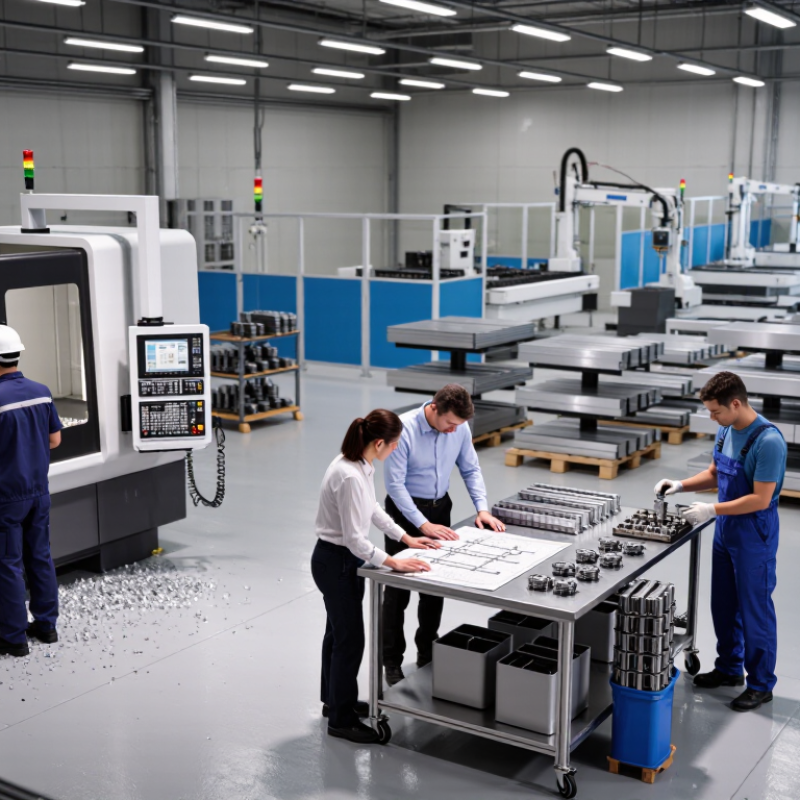
China’s prototype metal fabrication sector supports rapid testing for mechanical, medical, automation, and consumer hardware teams. Experienced suppliers begin by reviewing drawings, datums, surface requirements, and expected quantities. CNC milling and turning suit tight features. Sheet-metal cutting, bending, welding, and laser processing support larger enclosures. Metal additive manufacturing can produce complex internal channels, but machined finishing may still be necessary. Details matter.

Common materials include aluminum 6061, stainless steel 304 or 316, mild steel, brass, and titanium. Selection should match strength, corrosion exposure, weight, and finishing needs. A ±0.05 mm tolerance is realistic for selected CNC dimensions, not every feature or process.

Tool wear, thermal expansion, clamping pressure, and measurement methods can affect results. A reliable supplier confirms critical tolerances before production. Calibrated CMMs, micrometers, height gauges, and gauge blocks provide useful inspection evidence. First-article reports connect measured values with drawing requirements.

Practical project reviews often show that clear communication beats impressive promises. Suppliers should explain achievable tolerances, corner radii, thread limits, and inspection points before cutting metal. Prototype changes are normal. One overlooked datum can cause rework. A neat first sample may still reveal poor assembly after coating. That mistake deserves attention. Allowing for coating thickness, trial assembly, and customer feedback creates a more dependable development process.

How China’s Top Suppliers Deliver Metal Prototypes in 3–15 Business Days

China’s leading prototype metal suppliers can often deliver parts in 3–15 business days. The schedule depends on geometry, material availability, surface finish, and inspection requirements. Experienced teams begin with a manufacturability review, not a rushed price. They check wall thickness, bend radii, hole tolerances, and drawing conflicts before cutting metal. That early review prevents avoidable delays. Sometimes, a lower-cost design needs more time.

After approval, engineers match the design to CNC machining, sheet-metal forming, laser cutting, or metal additive processes. Common prototype materials include aluminum, stainless steel, mild steel, and brass. Material certificates and first-article measurements add practical confidence. Some suppliers provide digital inspection reports using calipers, gauges, and coordinate measuring equipment. Clear communication matters. A question about a 0.2-millimeter tolerance can save days. Still, not every quoted lead time is equally reliable. Ask whether it includes tooling, finishing, rework, and delivery.

For a simple bracket, three to five business days may be realistic. A complex enclosure with powder coating and tight tolerances may need ten to fifteen. Fast production should not erase traceability. Request revision-controlled drawings, inspection records, and production photos before shipment. One weakness remains common: prototype feedback can arrive too late. An overlooked burr, sharp edge, or mismatched finish may force rework. Send complete files and identify critical surfaces early.

Evaluating CNC, Sheet Metal, Laser Cutting, and 3D Printing Capabilities

Choosing a top prototype metal fabrication supplier in China requires more than a polished website. In real projects, capability must match geometry, material, quantity, and delivery pressure. CNC machining suits tight tolerances and functional aluminum or steel parts. Ask for measured samples, process notes, and clear tolerance reports. A supplier should explain tool access, fixturing, surface finish, and inspection methods in practical terms. Vague promises create expensive revisions.

Sheet metal work needs accurate bending, clean edges, and controlled weld distortion. Laser cutting can produce fast profiles, but heat effects and small features still require review. I look for bend allowances, corner reliefs, hole accuracy, and deburring standards. Small details matter.

A capable team also checks whether the drawing is manufacturable before production. This experience can prevent a beautiful but impossible design. Still, no workshop performs perfectly on every material or thickness. That is worth admitting.

3D printing adds speed when internal channels, complex forms, or low-volume trials matter. It does not automatically replace machined or formed metal. Ask about layer orientation, porosity control, post-processing, and final inspection.

Reliable suppliers document material certificates, first-article results, and corrective actions. Request a prototype sample before approving a larger batch. Compare actual dimensions against the CAD model, not only photographs.

I have learned that communication quality often predicts production quality. Yet engineers can overlook a simple assembly issue when schedules become tight. Leave room for testing, redesign, and honest feedback.

Quality Standards: ISO 9001, CMM Inspection, and First-Article Verification

China Top Prototype Metal Fabrication Supplier?

Quality begins with evidence, not promises. ISO 9001 provides a controlled framework for purchasing, production, inspection, and corrective action. The ISO Survey 2022 recorded 1,265,216 valid ISO 9001 certificates worldwide. This scale shows its importance, but certification alone proves little. A supplier must connect procedures with real batch records, calibrated tools, and trained inspectors.

For prototype metal parts, CMM inspection verifies critical dimensions against the engineering drawing. Operators should record probe qualification, fixture details, measurement results, and environmental conditions. ISO 10360 guidance also emphasizes measurement performance and uncertainty.

Small temperature changes can affect tight aluminum features. That detail is easy to ignore. It should not be.

First-article verification adds another control before repeated production. The inspection team reviews material certificates, surface condition, dimensions, threads, and functional interfaces. Results should include marked drawings and clear pass-or-fail evidence. Quality professionals often recommend focusing on prevention because correction costs rise after machining, finishing, and assembly.

Still, no inspection plan is perfect. A rushed fixture setup, unclear datum, or incomplete drawing can create false confidence. Experienced suppliers invite technical questions before cutting metal, then revise the control plan when evidence exposes a weakness.

Supplier Selection Metrics: MOQ, Material Traceability, Cost, and Global Shipping

China Top Prototype Metal Fabrication Supplier?

Supplier Selection Metrics: MOQ, Material Traceability, Cost, and Global Shipping

Selecting a prototype metal fabrication supplier requires more than comparing hourly rates. In real sourcing projects, MOQ often determines whether a supplier fits small-batch development. Ask for the minimum order quantity for each process, alloy, and surface finish. Some suppliers accept one prototype, while others require a small production lot. That difference can change your testing budget quickly.

Material traceability protects engineering decisions. Request mill certificates, heat numbers, inspection records, and clear labeling on each batch. Reliable suppliers should connect these documents with your purchase order and shipped parts. Cost should include tooling, setup, finishing, inspection, packaging, and possible revision fees. A cheap quotation may hide expensive assumptions. My own early mistake was comparing unit prices before checking inspection and packaging charges. That approach created delays and uncomfortable renegotiation.

Tips: Request a sample inspection report before placing an order. Confirm whether the quoted material matches your drawing specification. For global shipping, review lead time, export documents, customs information, packaging strength, and delivery terms. Use a written timeline with approval points. It sounds basic. It prevents confusion. Leave room for rework, because prototypes rarely develop perfectly on the first attempt.

Warning!

You are using an outdated browser. Things may not appear as intended. We recommend updating your browser to the latest version.

Close