The referenced articles were not included, so I can’t verify an industry report or an expert’s exact quotation. Please provide the source material, or allow me to write the introduction without an attributed quote.
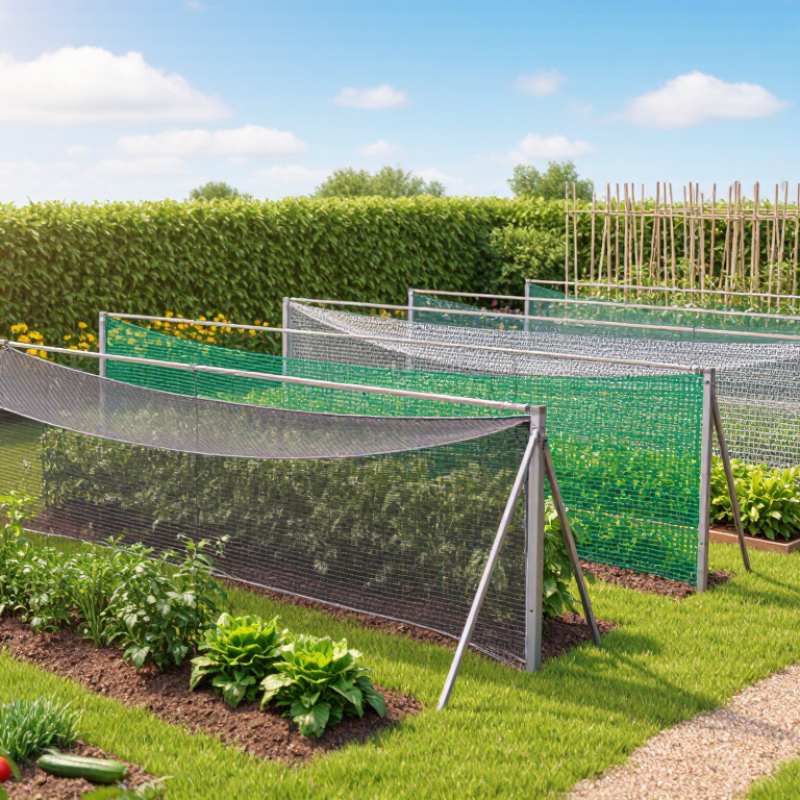
Garden sun screen netting is a woven mesh that reduces the intensity of direct sunlight. Its threads intercept and scatter some incoming light, while open spaces let air pass through. The result is softer light and less heat on exposed leaves and soil. The level of shade depends on the mesh density, so check the product’s stated shade rating rather than judging by color alone. Not waterproof. Rain can usually pass through, though dense mesh may slow it.
In a vegetable bed, netting can be stretched over hoops to create a small shaded tunnel. Leave space between the cover and foliage, and secure the edges so wind cannot lift them. Air movement matters. Trapped warm air can stress plants, especially on still afternoons. Watch the leaves and soil after installation: pale, scorched patches may signal too much sun, while weak, stretched growth can mean too little. A common misjudgment is covering every plant equally. Seedlings may welcome shade during a hot spell, but fruiting crops often need plenty of light. Adjusting the cover by season is useful, though it takes some trial and error.

There is no single best shade rating for every garden. A 30–50% shade net is a practical starting point for many mixed vegetable gardens; sun-loving crops generally need less shade, while seedlings and heat-sensitive plants may benefit from more. The sunlight-transmission values shown are calculated as 100% minus the nominal shade rating. Actual results vary with the net’s weave, color, and growing conditions.
The best garden shade netting matches the crop, local heat, and sunlight—not simply the darkest available mesh. University of Georgia Cooperative Extension greenhouse guidance gives 30–50% shade as a common starting range for many crops. Leafy greens may benefit from stronger protection during hot spells, while fruiting plants often need more light. A 50% rating means the net blocks about half of incoming light under rated conditions; it does not guarantee the same temperature drop in every garden. Check the label, then watch for leggy stems or pale leaves, signs that plants may be getting too little light.
Material and installation matter, too. UV-stabilized polyethylene is a practical choice for outdoor use, but lifespan varies with sun exposure, wind, and handling. Choose a mesh that allows airflow, and leave space between the net and foliage so leaves do not stay damp after rain. A tightly stretched net can also tear when gusts hit. I would test a small bed first; garden conditions rarely behave as neatly as product ratings suggest.
What Is the Best Type of Garden Sun Screen Netting?
Comparing Common Types of Garden Sun Screen Netting
Knitted polyethylene netting is a practical choice for vegetable beds: it is light, flexible, and less likely to unravel when cut. Woven netting is often sturdier, but frayed edges can be a nuisance. Reflective aluminized screens bounce away some radiant heat, making them useful over exposed patios or heat-sensitive crops. They can cost more and may reduce airflow if installed too low. Color matters less than the shade rating and placement. A 50% rating means the net blocks roughly half the incoming light, not half the heat.
University of Arizona Cooperative Extension guidance puts many vegetable-garden applications in the 30–50% shade range, depending on crop and conditions. That is a useful starting point, not a universal rule: leafy greens may welcome more protection, while fruiting crops often need stronger light. I still see gardeners choose the darkest net for the hottest spot. That can leave tomatoes pale and slow. Measure midday sun, then check plants again after installation.
Tips: Start with removable 30–40% knitted netting for mixed beds. Keep it several inches above foliage, secure the edges, and leave open sides for airflow. Watch for stretched stems or fewer flowers; both can signal too much shade.
Match shade percentage to the crop, season, and afternoon heat—not just the net’s color. Clemson Cooperative Extension guidance places many vegetables in the 30–50% shade range. A 30% net suits sun-loving tomatoes and peppers during hot spells, while leafy lettuce and spinach often benefit from 40–50% protection in midsummer. Check the net label: a 40% shade rating means it blocks about 40% of incoming sunlight. Keep airflow open around the bed.
Watch the plants, too. Pale, stretched stems can signal excessive shade; crisp leaf edges and midday wilting may indicate heat stress. Young seedlings are more sensitive than established plants, so start with moderate coverage and adjust after several sunny days. Small detail: measure light at plant height, not above the net. I have seen growers choose a heavier cloth for “extra protection,” then wonder why flowering slows. That choice can backfire. Shade needs also shift with latitude, cloud cover, and the angle of the afternoon sun, so treat extension ranges as starting points, not fixed rules.
| Plant or Garden Use | Typical Light Preference | Suggested Shade Net | When This Shade Level May Help |
|---|---|---|---|
| Lettuce and other leafy greens | Sun to partial shade; growth can suffer in hot conditions. | 30–50% shade | Use during hot, bright weather to reduce heat and slow premature flowering. Choose the lower end in milder conditions. |
| Spinach and cool-season greens | Sun in cool weather; partial shade during heat. | 30–50% shade | Helpful as temperatures rise, while maintaining enough light for continued growth. |
| Tomatoes | Full sun in most growing conditions. | 20–30% shade | Consider light shade during intense heat or heat waves. Too much shade can reduce flowering and fruit production. |
| Peppers | Full sun; may benefit from protection from extreme heat. | 20–30% shade | Can reduce sun stress in very hot climates. Monitor plants and remove or reduce shade if growth becomes weak. |
| Cucumbers and other heat-sensitive fruiting vegetables | Full sun to partial shade, depending on climate. | 20–30% shade | Useful during hot spells when leaves show heat stress; avoid heavy shade that limits flowering and fruiting. |
| Basil and similar culinary herbs | Usually full sun; afternoon shade can help in very hot areas. | 20–30% shade | Use temporarily in extreme heat or strong afternoon sun. In cooler conditions, these plants generally need more direct light. |
| Newly transplanted seedlings | Bright light, with gradual adjustment to outdoor sun. | 30–50% shade | Provides temporary protection while seedlings acclimate. Gradually reduce shade as plants become established. |
| Ferns and many shade-loving foliage plants | Indirect or filtered light; direct midday sun may scorch foliage. | 50–70% shade | Suitable for bright, exposed garden areas where plants need substantial protection from direct sunlight. |
| Shade-loving outdoor container plants | Bright shade or filtered light, depending on the species. | 40–60% shade | A moderate starting range for containers in sunny locations; adjust according to plant response and local conditions. |
| Sun-loving plants during unusually intense heat | Normally full sun. | 20–30% shade, used temporarily | Can provide short-term relief from extreme afternoon sun without making the growing area persistently too dark. |
Note: Shade percentage indicates the approximate portion of sunlight blocked by the net. Recommendations are starting points; plant variety, climate, season, and net height can affect the best choice. Check plant growth and adjust the shade level as needed.
What Is the Best Type of Garden Sun Screen Netting?
Installation and Care for Garden Sun Screen Netting
A suitable screen is only useful if it fits the garden’s needs. Check the stated shade percentage and choose one that suits the plants and local summer conditions. Leafy greens may need different light levels than sun-loving tomatoes. Measure the area before buying, and leave room to fasten the edges without stretching the fabric hard.
Use sturdy posts, a frame, or another stable support to carry the netting. Secure it with clips or ties spaced along the edges, rather than relying on a few corner knots. Keep it taut. A loose panel can flap in wind and rub against stems, while excessive tension may strain the fabric or supports. Leave enough clearance for airflow and plant growth. Check after rain.
Inspect the netting periodically for loose ties, small tears, and sagging sections. Repair minor damage early with a suitable patch or replacement tie. Brush away leaves and dirt gently; harsh scrubbing can weaken some materials. If the screen is removable, let it dry before storing it in a cool, dry place. I would not assume one installation suits every yard: wind exposure and changing plant height can call for adjustments during the season.
You are using an outdated browser. Things may not appear as intended. We recommend updating your browser to the latest version.
Close