7 Best Three Phase Diesel Generators for Buyers
A Three Phase Diesel Generator can power pumps, compressors, workshops, and commercial buildings when grid electricity is unavailable. Choosing one is not simply a matter of buying the largest unit. The generator must match the equipment it will serve, including motor-starting demands and expected running loads. A mismatch can mean wasted fuel, unstable performance, or a unit that cannot handle peak demand.
This guide compares seven options for buyers, with attention to rated output, voltage, frequency, fuel capacity, controls, and service access. Check whether a model’s rating is for prime or standby use; these figures describe different operating conditions. Also consider where the generator will sit. A narrow service aisle, a difficult delivery route, or a small fuel tank can matter more than a polished specification sheet. Small details matter.
Look for clear manufacturer documentation and a support network that can supply routine parts. Noise levels, enclosure design, and required connections deserve practical review before purchase. Confirm site requirements with a qualified installer, since local conditions and equipment differ. A listed “best” choice is only a starting point, not a promise that one model suits every buyer. I would still question any recommendation that ignores load testing and ongoing maintenance. Those are easy to overlook. The comparisons ahead aim to help buyers shortlist suitable machines, ask better questions, and verify claims against their own operating needs.
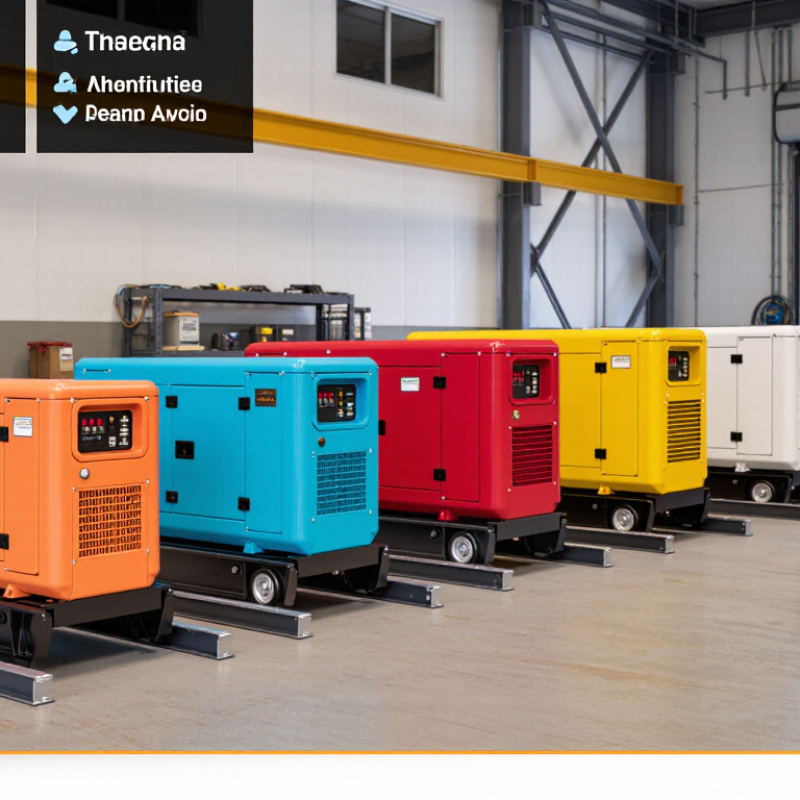
How Three-Phase Diesel Generators Work
A three-phase diesel generator converts fuel energy into electricity in two stages. The engine compresses air, injects diesel, and ignites it using compression heat. Its crankshaft turns the alternator rotor, creating a moving magnetic field. This induces voltage in three stator windings, spaced 120 electrical degrees apart. Their waveforms peak in sequence, delivering power to connected loads. The easy part is overlooked.
Frequency depends on rotor speed and pole count: a four-pole generator turning at 1,800 rpm produces 60 Hz; at 1,500 rpm, it produces 50 Hz.
The U.S. Department of Energy’s reciprocating-engine fact sheet reports electrical efficiencies of roughly 27–41% for engine-based systems, depending on configuration. Treat that range as context, not a guarantee for a specific generator or load. During operation, the governor adjusts fuel to help maintain engine speed and frequency. An automatic voltage regulator adjusts alternator excitation to stabilize voltage. When a pump starts, its inrush current can briefly pull voltage down. Real installations are messier. Check phase-to-phase voltage, frequency, and current on all three legs under actual load; a balanced no-load reading can hide problems.
Key Factors to Consider When Choosing a Generator
Choosing a three-phase diesel generator starts with the load, not the catalog rating. The IEA’s Electricity 2024 report projects global electricity demand will grow by about 3.4% annually through 2026. That trend supports careful backup planning, but it cannot size a specific site. List each essential machine’s running kW, power factor, and starting surge. Pumps and compressors may draw several times their normal current at startup. Small details matter. Check phase balance, since one overloaded phase can restrict usable output even when total capacity appears sufficient.
Tips: Compare the generator’s kW and kVA ratings with your measured peak load. Leave room for future equipment, but avoid excessive oversizing, which can cause inefficient operation at light loads. Ask for output derating data for your site’s altitude and ambient temperature.
Also confirm whether the unit is rated for standby or continuous operation; these ratings serve different duty cycles. Review fuel consumption at expected loads, tank runtime, service access, and sound levels. A load-bank test can help verify performance before an outage. Specifications on paper are useful, though actual site measurements may reveal a less tidy picture. Weigh the cost of added capacity against the consequences of a failed start, especially for critical pumps, refrigeration, or production equipment.
Seven Three-Phase Diesel Generators for Buyers
Buyers comparing seven three-phase diesel generator types should begin with the load, not the advertised output. The U.S. Energy Information Administration reported an average 5.5 hours of customer power interruptions in 2022, excluding major events (Electric Power Annual). That figure is a planning signal, not a guarantee of local reliability. Load comes first. Consider these seven applications: small-shop standby, farm operations, construction sites, healthcare facilities, data centers, parallel-ready installations, and mobile rental fleets. Each demands a different balance of starting capacity, runtime, noise control, and portability.
For a workshop, check motor-starting demand; pumps and compressors can draw far more current at startup. Farms often need long runtimes and accessible service points. Construction buyers may value a weatherproof enclosure and easy transport. Healthcare and data-center buyers should assess redundancy, transfer equipment, and maintenance support with qualified electrical professionals. Parallel-ready units can expand capacity, but controls and load sharing add complexity. Mobile rental models favor lifting points and quick connection access. ISO 8528 provides performance and testing frameworks for generating sets; compare rated and standby output consistently. A buyer’s spreadsheet can still miss real starting surges. Measure actual loads where possible, then leave a sensible capacity margin.
Comparing Power Output, Efficiency, and Features
7 Best Three Phase Diesel Generators for Buyers
Comparing Power Output, Efficiency, and Features
When comparing seven three-phase diesel generators, start with the load, not the largest rating. Add the running watts of motors, pumps, and other equipment, then account for starting surges. A motor can briefly demand much more power than its normal operating load. Check whether each rating is for prime or standby use; they are not interchangeable. Choose enough capacity for your real workload, but avoid oversizing without a reason. A lightly loaded generator may use fuel less efficiently.
Tips: Check the nameplate. Compare fuel consumption at the same load, such as 50% or 75%. Also verify voltage, frequency, and phase configuration match your equipment.
Features matter after the numbers. Automatic voltage regulation helps keep output stable as loads change, while an accessible control panel makes readings easier to check. Look for clear indicators for oil pressure, coolant temperature, and operating hours. An acoustic enclosure can reduce noise, but ventilation and service access still matter. Small details matter. Compare maintenance intervals and tank capacity, too. Longer runtime sounds appealing, yet actual fuel use varies with load, temperature, and upkeep. I would not rank a unit by advertised efficiency alone; published figures may use different test conditions. A careful buyer checks the manual and asks how the generator performs under the intended duty cycle.
How to Match a Generator to Your Application
A three-phase diesel generator should be matched to the load, not chosen by its largest advertised kVA. List each essential device, its running kW, starting demand, and required operating hours. Pumps, compressors, and fire-service motors can create brief surges that a simple total-load estimate misses. Check the generator’s rated kW and kVA, power factor, and transient-response data against those loads. ISO 8528-1 provides the framework for generator-set ratings; confirm which rating applies to your expected duty.
Runtime matters, too. The U.S. Energy Information Administration’s 2023 reliability data reported about 5.6 hours of average customer interruptions when major events were included. That national figure is only a reference, not a fuel-planning target. Use local outage records and account for fuel delivery, site access, and the consequences of a shutdown. A spreadsheet can still miss the awkward detail: a large motor starting while other equipment is already running.
Tips: Ask an electrician to record actual peak demand and motor-starting conditions. Add only a justified reserve; excessive oversizing can mean poor loading and inefficient operation. Test the setup under realistic load, then revise the estimate if the readings disagree.