Best Sandblaster Gun for Effective Surface Cleaning and Coating?
When it comes to surface cleaning and coating, the choice of tools can make a significant impact. The Sandblaster Gun has emerged as a preferred option for many professionals and DIY enthusiasts alike. With its powerful abrasive jet, this tool efficiently removes rust, paint, and other unwanted materials. However, selecting the right Sandblaster Gun requires careful consideration.
Many users have had mixed experiences with different models available in the market. Some find that certain guns lack the power needed for tough jobs, while others struggle with inconsistent performance. A reliable Sandblaster Gun should offer adjustable pressure settings and various nozzle sizes to meet various tasks. It's essential to analyze brands and user feedback to ensure you choose an effective tool.
Despite its advantages, using a Sandblaster Gun requires a level of expertise. Mistakes can lead to surface damage or inefficient cleaning. It's vital to practice safety measures and understand the material you’re working with. Ultimately, the effectiveness of a Sandblaster Gun lies not just in its features, but also in the user's proficiency.
Types of Sandblaster Guns and Their Applications
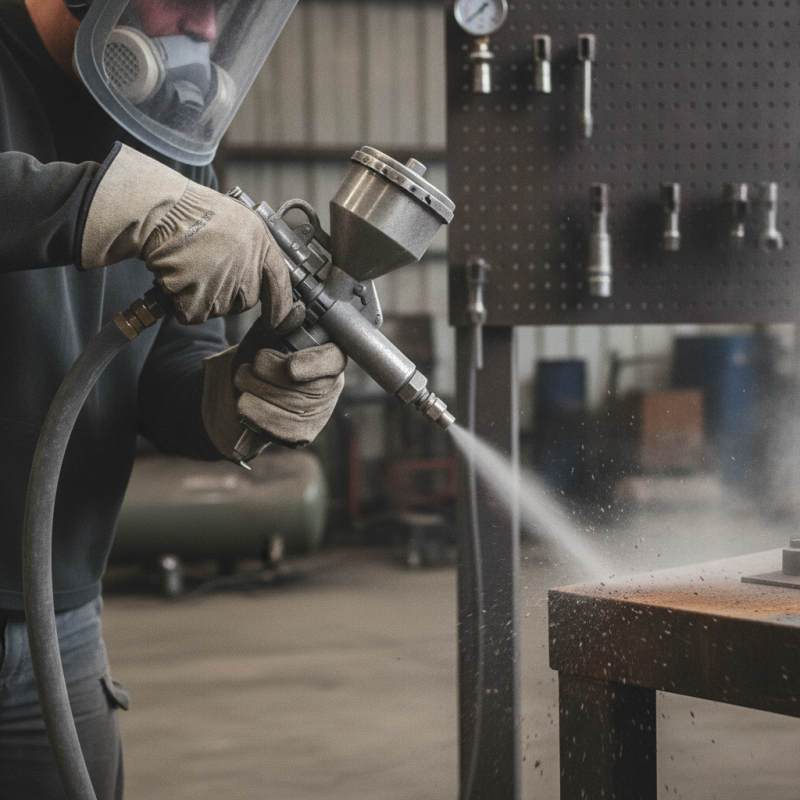
Sandblaster guns come in various types, each designed for specific applications. The most common types include siphon, pressure, and gravity feed sandblasters. Siphon guns use a vacuum to draw abrasive material. They are ideal for smaller tasks and areas with limited space. Pressure sandblasters, on the other hand, offer higher efficiency and speed. They are suitable for large projects, as they can cover extensive surfaces rapidly.
According to a recent industry report, pressure sandblasters can operate at airflow rates of up to 90 CFM, making them 30% more efficient than siphon models. These tools are commonly used in industrial settings, particularly for heavy-duty cleaning and surface preparation. Gravity feed models are simpler and often cheaper, but they lack the power of the more robust variants.
The choice of sandblaster also affects safety and precision. Poorly selected equipment could lead to uneven surfaces or excessive wear on materials. It’s crucial to be mindful of the type of abrasive used. For example, silica sand, though effective, poses health risks. Alternatives like garnet or glass beads are safer and can achieve similar results without compromising health. Understanding these aspects is vital in ensuring effective and safe surface cleaning and coating.
Key Features to Look for in a Sandblaster Gun
When selecting a sandblaster gun, it's crucial to understand the key features that enhance its effectiveness. One important aspect is the nozzle size. A smaller nozzle allows for precision but may require higher air pressure. Conversely, a larger nozzle can cover more area quickly but may not reach intricate details. According to industry reports from the Abrasive Blasting Institute, nozzle sizes from 3/32 to 1/4 inch are commonly used for different applications, affecting both efficiency and outcome.
Another significant feature is the construction material. High-quality guns are often made from durable metals. This durability ensures longevity and consistent performance under pressure. A study revealed that guns made from ceramic or hardened steel can last up to three times longer than standard aluminum options, making them a more reliable investment. Moreover, ease of use is paramount. Adjustable pressure settings allow operators to customize the intensity, enabling a range of applications from heavy-duty stripping to delicate surface preparation.
Lastly, look for a gun that minimizes user fatigue. Features like ergonomic handles and lightweight designs can significantly affect productivity. A report noted that equipment that reduces strain improves job satisfaction and efficiency. However, not all sandblaster guns prioritize comfort, so testing a few options can be beneficial.
How to Choose the Right Sandblaster Gun for Your Project
Choosing the right sandblaster gun is crucial for effective surface cleaning and coating. Consider the project requirements first. Different materials, such as metal or glass, demand specific types of abrasives. A recent industry report noted that 70% of professionals prefer versatile guns that handle various media. These guns allow flexibility, saving time and resources.
Next, evaluate the gun's design and functionality. Lightweight models are easier to maneuver, which is vital for intricate jobs. Look into the nozzle size as well. A smaller nozzle provides precision for detailed work, while a larger one covers more area. Research shows that improper nozzle choices can lead to inconsistent finishes. This often leads to rework, increasing project costs.
Don't overlook the ease of maintenance. Some guns require more upkeep than others. Regular cleaning can prevent clogs and ensure performance longevity. Industry standards suggest performing maintenance checks every 100 hours of use. Neglecting this can result in decreased efficiency, making the initial investment feel less worthwhile. Prioritize guns with user-friendly maintenance features.
Tips for Using a Sandblaster Gun for Surface Cleaning
When using a sandblaster gun for surface cleaning, proper technique is crucial. This tool can remove rust, paint, and more, but misuse can damage surfaces. Start by wearing protective gear. Goggles and gloves are essential to avoid injuries. Consider the type of media you’ll use. Different materials can produce varying effects on surfaces.
Tip: Always test your sandblaster on a small area first. This ensures compatibility and helps you gauge the right pressure settings. Adjust the distance between the nozzle and the surface as needed. Too close can cause gouging, while too far may not clean effectively.
Also, maintain a consistent angle. Aiming directly can create uneven surfaces. Maintain a steady motion for an even clean. Keep the workspace ventilated to avoid inhaling dust. Regularly clean the gun to prevent clogs. These simple practices can lead to better results. Remember to reflect on your technique and adjust as necessary for optimal surface cleaning.
Comparison of Sandblaster Gun Types for Surface Cleaning
Maintenance Best Practices for Sandblaster Guns
Maintaining a sandblaster gun is crucial for achieving optimal performance. Regular inspections can prevent minor issues from escalating. Ensure that the nozzle and hose are free from blockages. A clogged nozzle reduces efficiency and can lead to unsatisfactory surface cleaning. Clean the components after each use. This simple step extends the life of your equipment.
Utilizing the right abrasive material is also essential. Using unsuitable materials can cause unnecessary wear. Follow the manufacturer's guidelines on abrasive types. Watch for signs of wear on seals and gaskets. Replace them promptly to prevent leaks.
Don’t overlook the importance of lubrication. Properly lubricated moving parts function smoothly. However, avoid over-lubrication as it can attract dust and debris, which hampers performance. Reflecting on these maintenance practices can help improve your skills. Regular upkeep can prevent frustration and improve results.