2026 Best Metal Stamping Techniques for Quality Manufacturing Solutions?
Metal stamping is a vital process in modern manufacturing. It involves shaping and assembling metal parts through techniques like die cutting and punching. The precision achieved through these methods is crucial for high-quality products. As industries evolve, improving metal stamping techniques is essential to meet growing demands.
In 2026, the focus will be on innovative approaches that enhance efficiency and reduce waste. Companies must explore new materials and technologies to stay competitive. The integration of automation and smart systems into metal stamping can lead to significant production improvements. However, adoption may come with challenges, such as initial costs and the need for skilled operators.
Reflecting on past practices can reveal areas for improvement. Many manufacturers still rely on traditional methods, which may not always meet today’s quality standards. Embracing change in metal stamping techniques can drive sustainability and better results. It's an ongoing journey of learning and adapting to meet market expectations.
Overview of Metal Stamping Techniques in Quality Manufacturing
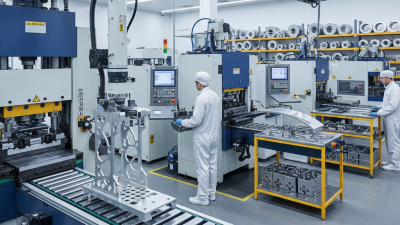
Metal stamping is a crucial process in manufacturing. It involves forming metal sheets into desired shapes. Different techniques exist, each with unique advantages. A recent industry report showed that precision and efficiency are key metrics for success. Over 65% of manufacturers prioritize these aspects.
Progressive stamping is gaining popularity for its ability to create complex parts. It efficiently combines multiple steps into one operation. This reduces cycle time significantly. However, this method requires precise machinery and skilled operators. Issues like tool wear can affect quality if not monitored closely.
Another technique, deep drawing, allows for the production of deep, hollow shapes. It is vital in industries like automotive. However, challenges such as material thinning can arise, leading to defects. Research indicates that nearly 30% of rejected parts come from these issues. Continuous improvement in techniques and quality control can mitigate these risks. Investing in technology is essential to stay competitive. Manufacturers must adapt to evolving trends and refine their processes constantly.
2026 Best Metal Stamping Techniques for Quality Manufacturing Solutions
| Technique |
Description |
Applications |
Advantages |
| Progressive Stamping |
A method using a single die to produce multiple operations in one cycle. |
Automotive parts, electronics, appliances |
High efficiency, reduced handling time |
| Deep Drawing |
Forming a flat sheet into a hollow shape. |
Containers, automotive body panels |
Enhanced strength, better material efficiency |
| Blanking |
Cutting out a flat piece from a sheet of metal. |
Various metal parts for assembly |
High precision, minimal waste |
| Piercing |
Creating holes in metal sheets using dies. |
Electrical enclosures, brackets |
Highly customizable, efficient production |
| Coining |
Using high pressure to imprint designs into metal. |
Bells, automotive parts |
High accuracy, detailed design reproduction |
Advantages of Various Metal Stamping Processes for Production Efficiency
Metal stamping processes offer numerous advantages for production efficiency in various industries. Precision and consistency are key benefits. Techniques like progressive stamping enhance output by allowing multiple operations in one cycle. This reduces the need for secondary operations, saving time and labor costs. However, implementing these processes requires careful planning. Any miscalculation can lead to material waste or defective parts.
Another technique, deep drawing, is vital for creating complex shapes. It can produce parts with high strength and durability. Yet, achieving the desired specifications often involves trial and error. Adjustments in tooling and setup may be necessary. This can slow down production initially, but the long-term benefits of higher quality materials often outweigh the drawbacks.
Last but not least, fine blanking stands out for its ability to achieve tight tolerances. This is crucial for components used in critical applications. However, the initial setup can be time-intensive. Still, manufacturers can achieve significant savings through decreased scrap rates and enhanced durability. Reflecting on these processes allows for continuous improvement in metal stamping operations.
Key Factors Influencing the Selection of Metal Stamping Techniques
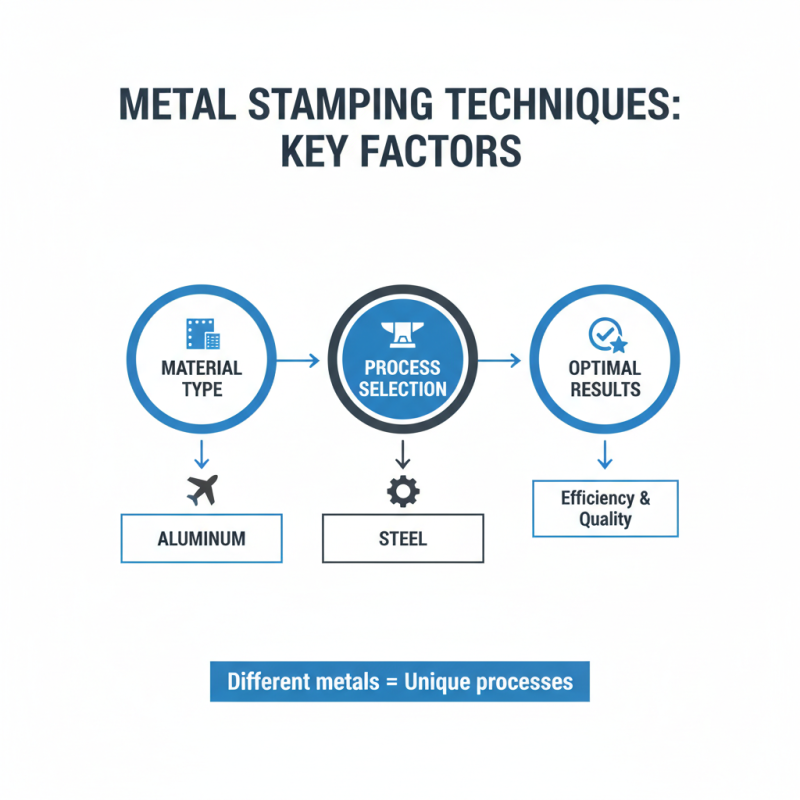
In selecting metal stamping techniques, several key factors come into play. One critical aspect is the material type. Different metals require unique processes for optimal results. For instance, aluminum and steel have distinct properties that can affect the choice of stamping technique.
Machine capability is another influencing factor. Not all equipment can handle every technique. Operators must consider the limits and advantages of their machinery. Costs also play a role; sometimes, a high-quality stamping method may not fit the budget. Yet, skimping on quality can lead to costly errors later on.
Design complexity cannot be overlooked. Intricate designs may need more advanced techniques, which could complicate production. It’s crucial to balance design intent with manufacturing realities. Reflecting on these elements can uncover potential pitfalls. Overlooking one factor can derail the entire project or lead to subpar products. Each decision requires careful consideration and, sometimes, a willingness to adapt.
Innovative Technologies Enhancing Metal Stamping Quality and Precision
Innovative technologies in metal stamping are transforming quality and precision in manufacturing. According to a recent industry report, the global metal stamping market is projected to reach $232 billion by 2026. This growth showcases the increasing demand for precise metal components across various sectors. Advanced techniques such as progressive die stamping and fine blanking are pivotal in enhancing manufacturing quality.
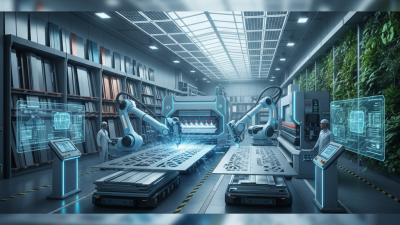
Automation plays a crucial role in modern metal stamping. Robotics and AI-driven systems improve efficiency and reduce human error. Industry data indicates that companies adopting automated stamping solutions report up to a 30% increase in production accuracy. Despite these advancements, challenges remain. Quality control processes sometimes lag behind technological integration, leading to inconsistencies. Regular audits are necessary to identify discrepancies and improve outcomes.
3D printing also impacts metal stamping techniques. It allows for rapid prototyping and the creation of complex geometries. Studies reveal that incorporating 3D elements can reduce material waste by 20%. However, the learning curve for integrating these technologies can be steep. Not all companies are prepared for the investment required, leading to a mixed approach in adopting innovative solutions. Manufacturers must constantly reassess their strategies to stay competitive in this evolving landscape.
2026 Best Metal Stamping Techniques - Quality and Precision
Future Trends in Metal Stamping for Sustainable Manufacturing Solutions
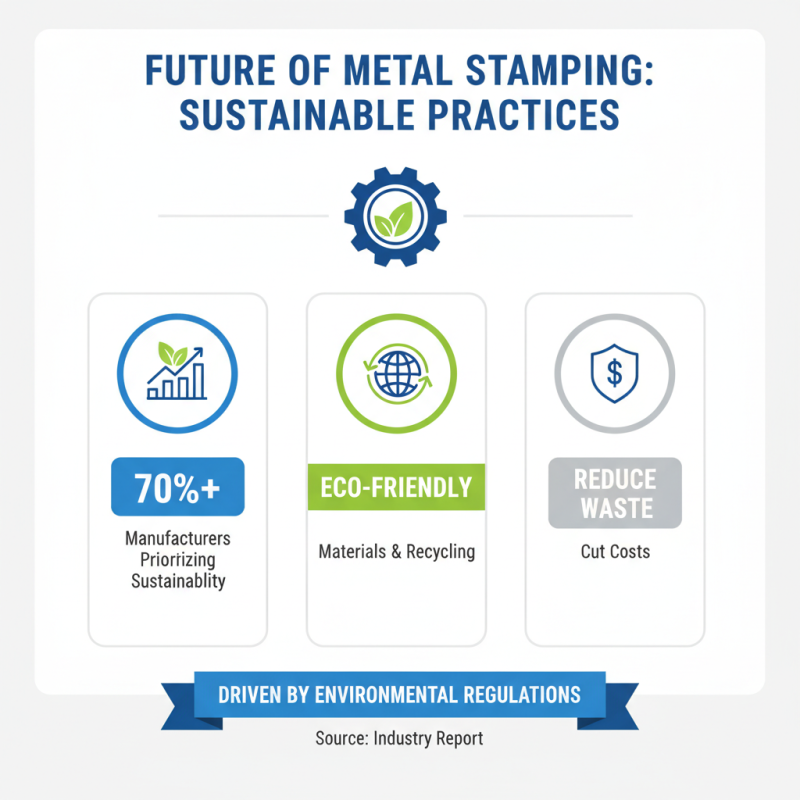
The future of metal stamping is rapidly evolving towards sustainable practices. According to a recent industry report, over 70% of manufacturers are prioritizing sustainability in their production processes. This shift is critical as environmental regulations become more stringent. Many companies are exploring eco-friendly materials and recycling techniques. This not only reduces waste but also cuts costs in the long run.
Innovative technologies such as 3D printing have shown potential in transforming traditional metal stamping methods. These advancements allow for the creation of complex parts with minimal material waste. However, integrating such technologies poses challenges. The initial investment can be high, and the learning curve steep. Some manufacturers may struggle to adapt.
Moreover, the industry faces a skill gap. There is a pressing need for training programs that focus on both sustainable practices and new technologies. As companies embrace these trends, they must also reflect on their current practices and identify areas for improvement. The journey toward sustainable manufacturing is not without obstacles, but it is a path that the industry must take.