2026 Best Cable Lug Types for Global Buyers?

Global demand for dependable power connections is rising with grid upgrades, renewable projects, data centers, and industrial electrification. Mordor Intelligence estimates that the global cable accessories market could grow from approximately USD 53 billion in 2024 to more than USD 72 billion by 2029. Cable Lug products represent a critical, but often overlooked, part of this supply chain.

The selection is not simply about choosing copper or aluminum. Buyers must examine conductor class, barrel length, plating, crimp geometry, operating temperature, and corrosion exposure. A lug installed beside a coastal substation faces different risks than one inside a dry control cabinet. IEC 61238-1-1 and UL 486A-486B provide important references for connector performance and installation quality. However, certification alone cannot correct an unsuitable die, poor stripping, or uneven compression.

Electrical safety author John Cadick has emphasized, “The quality of an electrical connection depends on the quality of its materials and workmanship.” That principle remains practical for every Cable Lug purchase. It also deserves a more critical reading. A compliant lug can still fail when installers use the wrong crimping tool or ignore torque instructions. This guide compares major Cable Lug types for global buyers, including compression, mechanical, bimetallic, and insulated designs. It considers standards, material compatibility, project conditions, and supplier reliability. No universal winner exists. A lower purchase price may become an expensive weakness when heat, vibration, or moisture exposes the connection.
2026 Best Cable Lug Types for Global Buyers?

Cable Lug Basics and Their Role in Electrical Connections

2026 Best Cable Lug Types for Global Buyers?

Cable Lug Basics and Their Role in Electrical Connections

A cable lug is a metal connector fitted to the end of an electrical cable. It links the conductor to a busbar, terminal, switchgear, or grounding point. This simple part controls how safely current enters the connection. A loose lug can create resistance, heat, and eventual insulation damage.

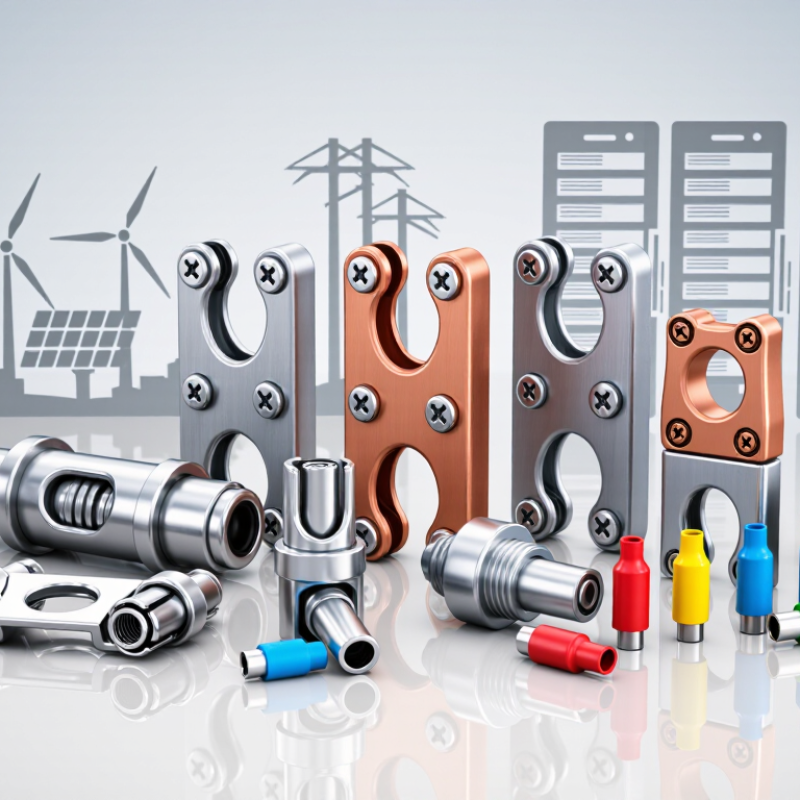
Common types include copper, aluminum, bimetallic, tubular, pin, and fork lugs. Copper lugs provide strong conductivity and suit many industrial installations. Aluminum lugs reduce weight but require careful surface preparation. Bimetallic lugs help connect copper cables to aluminum terminals. Crimping lugs need the correct die and pressure. Bolt-on lugs can support maintenance, but fasteners must match the application. Small part, major consequence.

Selection should begin with conductor size, terminal hole diameter, material, current load, and operating temperature. Plated surfaces can improve resistance to oxidation in humid environments. In coastal or chemical areas, corrosion protection deserves extra attention. Field technicians usually inspect the crimp for full compression and visible conductor entry. They also check torque with a calibrated tool. Guessing by appearance is unreliable. I have seen correctly sized lugs fail because the wrong crimping profile was used.

Global buyers should request material data, dimensional drawings, test records, and batch traceability. Recognized electrical standards can guide verification, but local installation rules still matter. Packaging should protect contact surfaces from moisture and contamination. Sometimes the cheapest lug creates the most expensive rework. A careful sample test is worth the delay.

Key Cable Lug Types for Different Wiring Applications

2026 Best Cable Lug Types for Global Buyers?
Key Cable Lug Types for Different Wiring Applications

Choosing a cable lug starts with the wiring task, not appearance. Ring lugs suit panels, batteries, and equipment exposed to vibration. Their closed hole helps prevent accidental release. Fork lugs allow faster maintenance when terminal screws remain in place. They are practical, but less secure under repeated movement. Pin lugs fit compact terminal blocks and help stranded wires enter narrow clamps cleanly.

For larger power cables, compression lugs provide a stable connection after correct crimping. Mechanical lugs are useful when installation tools are limited or cable sizes may change. Copper lugs generally match copper conductors, while aluminum conductors require compatible lug materials. Mixed metals can create corrosion and heat problems. That detail is often missed.

Check conductor size, stud diameter, insulation clearance, and operating temperature before ordering. Use the specified die and verify the crimp with a pull test. A loose crimp may look acceptable. It can still overheat during continuous load. In humid areas, sealed or tinned designs may improve durability, though coating quality matters. I have seen installers select a lug by cable diameter alone, then discover poor terminal fit. That shortcut needs reconsideration. Confirm the applicable technical standard and installation torque for the destination market. Keep samples, measurements, and inspection records for repeat orders.

Materials, Sizes, and Compatibility Standards

2026 Best Cable Lug Types for Global Buyers?

Materials, Sizes, and Compatibility Standards

Material selection affects conductivity, corrosion resistance, and installation reliability. Bare copper lugs suit dry indoor panels and standard copper conductors. Tinned copper performs better in humid, coastal, or industrial environments. Aluminum lugs reduce weight, but they require careful preparation and compatible joining compounds. Bimetallic lugs connect aluminum conductors to copper terminals while reducing galvanic corrosion risks.

Size must match the conductor cross-section, not just its outside diameter. Common sizes range from 1.5 mm² to several hundred square millimeters. Check the conductor class, strand count, insulation clearance, and stud-hole diameter. A lug marked 35 mm² may not accept every 35 mm² cable. It depends on compactness and strand construction. Measure twice.

Compatibility also includes the crimping system. Use the specified die profile, compression sequence, and tooling range. A clean-looking crimp can still have poor pull-out strength. Standards such as IEC 61238-1, DIN 46235, and UL 486A-486B provide useful benchmarks, but certification requirements vary by market. Verify the applicable standard before purchasing. In field checks, loose strands, cracked barrels, and excessive oxide are frequent warning signs. Even experienced installers miss small details. Temperature, vibration, enclosure space, and expected current should guide the final selection.

How to Select the Right Cable Lug for Global Projects

Selecting cable lugs for global projects starts with the conductor, not the catalog image.

Confirm conductor material, cross-sectional area, strand class, and insulation diameter. Copper conductors usually need copper lugs, while aluminum conductors may require aluminum or bi-metal designs. Bi-metal lugs help connect dissimilar metals, but only when the interface is correctly engineered.

Measure twice. A drawing can hide a mismatch. For flexible cables, choose a lug barrel suited to fine strands and verify the crimp profile.

Compression lugs support repeatable installation when trained teams use matched dies. Mechanical lugs can simplify field work where crimping equipment is limited. That convenience needs inspection.

Project conditions narrow the choice further. Outdoor substations, coastal sites, tunnels, and battery rooms expose connections to different moisture, vibration, heat, and chemical risks. Select suitable plating and sealing features, then check the lug’s temperature and short-circuit ratings against the complete cable system.

Do not size from current alone. Fault energy matters. Confirm palm-hole dimensions, stud size, bend space, and creepage requirements before shipment. A lug that fits electrically may fail mechanically.

For international procurement, request material certificates, dimensional drawings, installation instructions, and traceable test evidence. Compare stated standards with the project specification and local approval requirements.

Samples should be crimped or torqued using planned tools, then inspected for barrel deformation, conductor insertion, torque, and contact surface quality. Photograph the setup. It prevents arguments later.

I have seen schedules favor familiar parts over suitable parts; that is an expensive habit. Recheck assumptions when cable suppliers, installers, or climates change. The most reliable selection is one your site team can install consistently, inspect clearly, and maintain safely.

Installation, Safety, Testing, and Maintenance Requirements

2026 Best Cable Lug Types for Global Buyers?

Cable lug selection depends on conductor material, load, environment, and installation method. Compression lugs suit permanent joints with verified crimping tools. Mechanical lugs help maintenance teams adjust connections in the field. Bimetallic lugs reduce galvanic problems between copper conductors and aluminium equipment. Tinned surfaces can improve resistance in humid or coastal locations, but coating damage still requires attention.

Installation quality controls performance. Strip only the required insulation length, and avoid cutting conductor strands. Insert the conductor fully before crimping or tightening. Use the correct die, bolt size, washer, and torque value. A torque wrench is essential. Hand tightening feels reliable, yet it often produces uneven contact pressure. Seal exposed joints with suitable heat-shrink material where moisture may enter. Keep the lug aligned, and respect the cable’s minimum bending radius.

Testing should include visual inspection, torque verification, continuity, and insulation resistance checks. Low-resistance testing can reveal a poor contact that appears normal. Thermal imaging under load may expose hot spots near the lug barrel. Maintenance teams should inspect discoloration, looseness, corrosion, and cracked seals during scheduled shutdowns. Conditions change. Salt, vibration, and repeated heating can weaken a connection within months. A checklist may miss these details, so recording temperature, torque, and inspection photographs improves traceability. Even experienced installers occasionally overlook the final recheck.

Warning!

You are using an outdated browser. Things may not appear as intended. We recommend updating your browser to the latest version.

Close