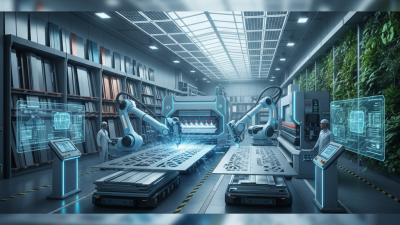
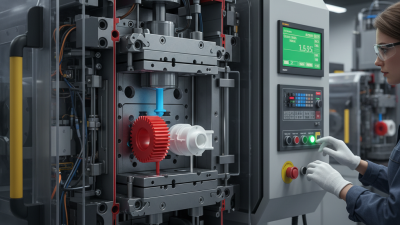
Investment casting, also known as lost-wax casting, has evolved significantly over the years. This technique offers exceptional precision and surface finish. It is widely used in various industries, including aerospace and automotive. The demand for more complex geometries drives innovation in investment casting technologies.
In 2026, we can expect to see trends that enhance efficiency. Digital tools and advanced materials are transforming traditional practices. These changes are not without challenges. The industry must adapt to new technologies while maintaining quality standards. Additionally, sustainability concerns are shaping investment casting practices. Companies face pressure to reduce waste and energy use.
As we explore the top trends in investment casting, it is crucial to evaluate both advancements and drawbacks. Embracing innovation often leads to unexpected issues. Understanding these complexities will be vital for future success in the investment casting arena.
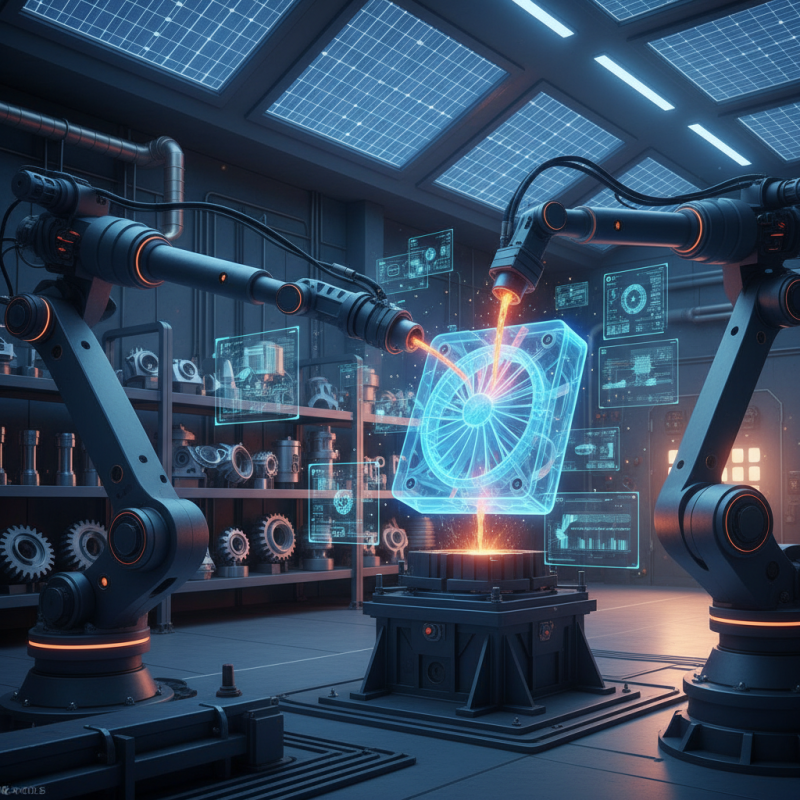
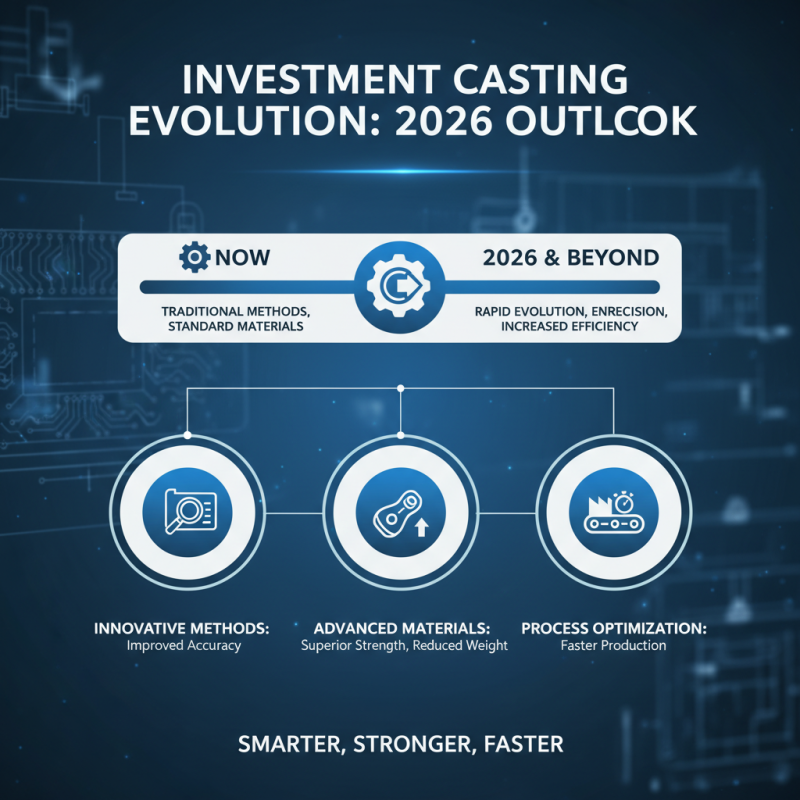
Investment casting is evolving rapidly as we approach 2026. Recent advancements showcase innovative methods that enhance precision and efficiency. One notable development includes the use of advanced materials in the casting process. These materials provide improved strength and reduce the overall weight of the components produced.
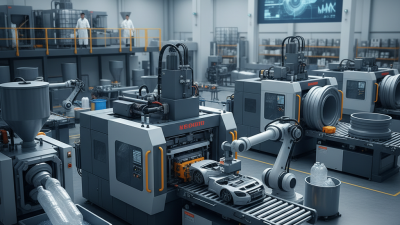
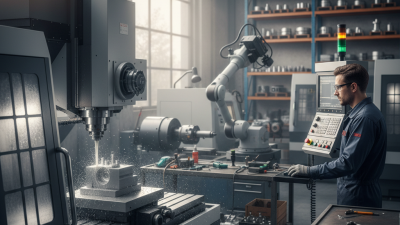
Another significant trend is the integration of automation and AI in the casting facilities. Automated processes streamline the workflow, making it more efficient. However, reliance on technology raises questions about potential skill gaps in the workforce. Human oversight remains crucial for ensuring quality and safety in production.
Sustainability is also becoming a key focus. Efforts to reduce waste in the investment casting process are gaining traction. Companies explore recycling scrap metal and reusing materials. Yet, not all manufacturers have adopted these practices. There's still room for improvement in environmental responsibility across the industry.
Investment casting is evolving rapidly. Emerging materials are at the forefront of this transformation. Recent studies show that the investment casting market is projected to reach $6.2 billion by 2026. Innovations in materials are expected to drive this growth significantly.
Materials like titanium alloys and advanced ceramics are gaining traction. They offer excellent thermal stability and corrosion resistance. For instance, titanium alloys can withstand extreme temperatures while maintaining structural integrity. This makes them suitable for aerospace and automotive applications. High-performance ceramics are also being utilized, especially in industries requiring lightweight components.
Despite these advancements, challenges remain. The high cost of new materials can be prohibitive. Additionally, the manufacturing processes for these advanced materials are often complex. There's a need for further research to optimize these techniques. Successfully addressing these issues could unlock the full potential of emerging materials in the investment casting sector.
This chart displays the popularity of different emerging materials in investment casting techniques predicted for 2026. Metal alloys are expected to dominate, followed by ceramics and plastic composites. The innovation in materials like 3D printed substances and recycled materials reflects the trend towards sustainability and advanced manufacturing.
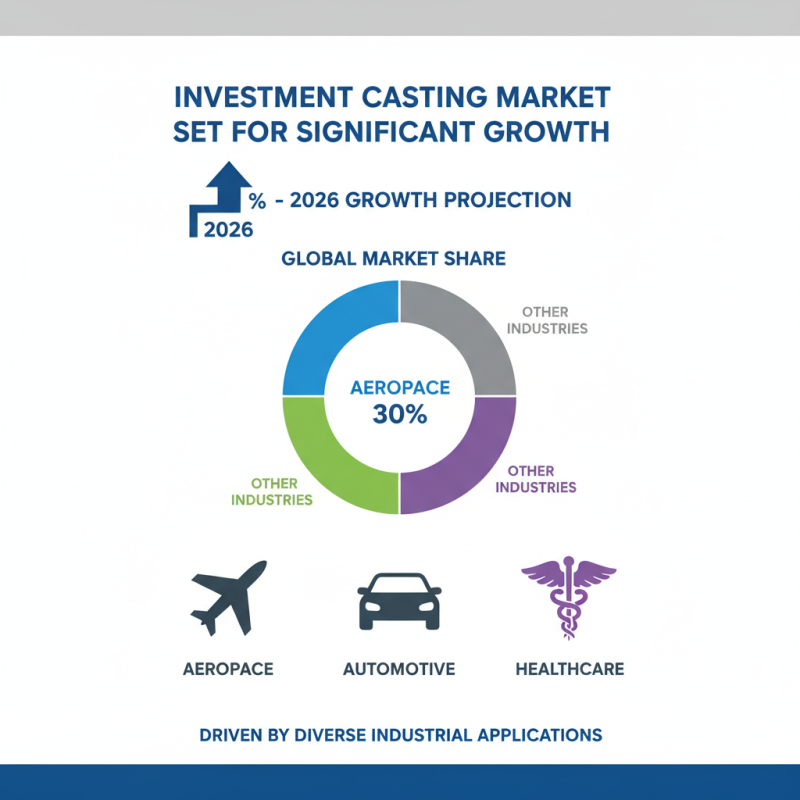
The investment casting market is projected to grow significantly in 2026. This growth will be driven by its widespread application across various industries. Aerospace, automotive, and healthcare sectors are leading the way. According to a recent market analysis, aerospace applications are expected to account for nearly 30% of the global investment casting market share.
In the automotive industry, lightweight and complex components are crucial. The trend towards electric vehicles demands innovative solutions. Investment casting allows for the creation of intricate parts like engine blocks and transmission housings. However, issues with lead times and costs remain. Companies will need to address these hurdles to maximize efficiency and output.
Healthcare applications show promising potential. Components in surgical instruments and implants require precision. Investment casting provides the needed accuracy. Yet, the challenge of quality control persists. Manufacturers must ensure that every piece meets stringent medical standards. The industry's ability to adapt will define its success in 2026.
The investment casting industry is experiencing a notable shift towards environmental sustainability. A recent report indicates that around 60% of companies have adopted greener practices in their casting processes. This includes using water-based binders instead of solvents, significantly reducing harmful emissions. Companies are also exploring bio-based materials that replace traditional waxes, minimizing environmental impact.
Moreover, advancements in recycling techniques are gaining traction. Data shows that over 75% of scrap metal in casting can be recycled, which not only saves costs but also conserves resources. However, not everyone is on board with these changes. Some manufacturers struggle with the initial costs of sustainable materials, which can deter implementation.
Consumer demand for eco-friendly products is increasing. Research indicates that 78% of consumers are willing to pay more for sustainable options. This creates opportunities for companies willing to invest in innovative casting techniques. Yet, the transition is fraught with challenges. Companies must balance between profitability and sustainable practices, prompting reflection on long-term strategies.
Investment casting technology is evolving. As industries demand more precision and efficiency, challenges emerge. According to a recent report by Mordor Intelligence, the global investment casting market is projected to reach $24 billion by 2026. This growth signifies opportunities for innovation but also highlights pressure on existing manufacturing processes.
Sustainability is a significant hurdle. Investment casting consumes energy and resources. The push for eco-friendly materials and methods is crucial. The foundry industry faces stiff competition from alternative processes, like 3D printing. Adaptation to new standards is not straightforward. Inadequate technology can lead to high defect rates, impacting profitability. The need for workforce training and technological upgrades is evident.
Emerging materials also present both challenges and prospects. New alloys can enhance product performance. However, meeting the specific requirements can complicate production. Manufacturers will need to refine their capabilities continuously. This journey is complex but necessary. Addressing these issues could determine a company's success in this competitive landscape.
| Trend | Description | Applications | Challenges | Opportunities |
|---|---|---|---|---|
| Automation in Casting | Increased use of robotics and automated systems. | Aerospace, Automotive | High initial setup costs, workforce retraining. | Improved precision and reduced labor costs. |
| Eco-Friendly Materials | Development of sustainable casting materials. | Consumer Goods, Machinery | Material compatibility, performance testing. | Meeting environmental regulations, market demand for eco-products. |
| 3D Printing Integration | Using 3D printing for mold creation. | Customized Parts, Prototyping | Material limitations, speed of production. | Faster turnaround times, design flexibility. |
| Digital Twins | Simulation of casting processes for optimization. | Industrial Equipment, Aerospace | Complexity in implementation, data management. | Enhanced process control, cost savings. |
| Advanced Alloys | Research into new alloy compositions for durability. | Heavy Machinery, Automotive | R&D costs, performance validation. | Increased product lifespans, market differentiation. |
You are using an outdated browser. Things may not appear as intended. We recommend updating your browser to the latest version.
Close