The 2026 Top Mobile Generator Suppliers for Global Buyers guide examines suppliers that combine dependable equipment, responsive service, and practical international support. A Mobile Generator must perform beyond factory testing. It may operate beside a construction site, through heavy rain, or across remote logistics routes. Buyers therefore need more than attractive pricing.
Important comparisons include rated and standby power, fuel consumption, noise control, emissions performance, mobility, and control systems. Suppliers should also provide clear manuals, spare parts access, warranty terms, and trained technicians. These details become critical when a generator supports a hospital extension, a temporary event, or a mine without stable grid access. Small gaps matter.
As Caterpillar energy specialist Ed Walsh has stated, “Power is only valuable when it is available where and when it is needed.” This principle remains central for global purchasing decisions. The strongest suppliers understand local voltage standards, climate conditions, transport restrictions, and after-sales expectations. They do not sell one configuration to every market.
This overview will assess leading manufacturers and distributors through an experience-based lens. It will consider product durability, digital monitoring, rental compatibility, delivery capability, and lifecycle cost. Some rankings may remain imperfect. Supplier data changes, and published specifications do not always reflect field conditions. Buyers should verify performance records independently. A careful shortlist is better than a rushed decision.
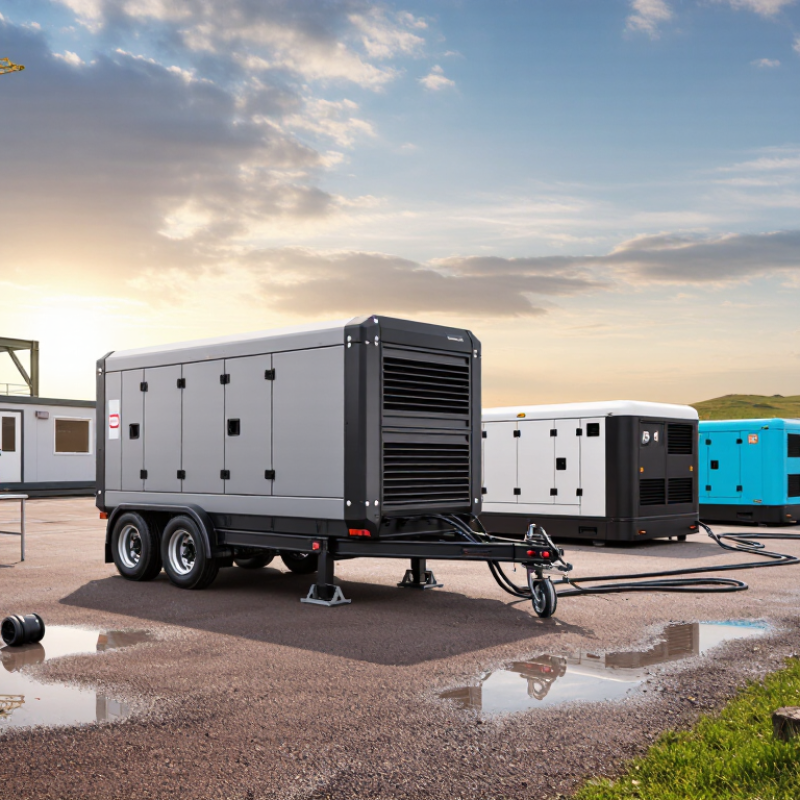
2026 Top Mobile Generator Suppliers for Global Buyers
Mobile generators are transportable power units designed for temporary or remote electricity supply. They usually combine an engine, alternator, control panel, fuel system, and protective enclosure. Trailer-mounted models suit construction sites, while compact wheeled units serve smaller facilities. Skid-mounted systems work well when equipment must be moved by forklift.
Common types include diesel, natural gas, gasoline, battery-hybrid, and dual-fuel generators. Diesel models often support heavy loads and long operating hours. Gas units can produce fewer local emissions where suitable fuel infrastructure exists. Battery-hybrid systems reduce noise during low-demand periods. They are not automatically better. Capacity, charging access, and weather conditions still matter.
Global buyers use mobile generators at hospitals, data centers, farms, mines, outdoor events, and emergency response locations. A hospital may require stable three-phase power for imaging equipment and refrigeration. A construction contractor may prioritize rugged frames, easy towing, and rapid refueling. Telecom teams often need quiet operation and remote monitoring near residential areas. Procurement should verify voltage, frequency, load profile, duty cycle, noise limits, emissions rules, and local service capability. Small details matter.
A generator that starts every time is ideal, but no specification guarantees it. Preventive maintenance, clean fuel, correct grounding, and realistic load planning remain essential. Buyers should request test records, warranty terms, spare-parts access, and clear documentation before shipment. Supplier claims deserve careful checking.

Global electricity demand is forecast to grow by about 4% annually through 2026, according to the International Energy Agency’s Electricity 2024 report. Buyers therefore need more than a low purchase price. A dependable mobile generator supplier should provide verified output tests, fuel-consumption curves, noise data, and clear operating limits. Ask for records from a witnessed load-bank test. Paper specifications are not enough.
Technical compliance deserves close attention. ISO 8528 performance ratings help buyers compare generator behavior under changing loads. However, certification alone does not prove field reliability. Review factory quality procedures, serial-number traceability, and maintenance records. ISO 9001 certification is useful, but it should support, not replace, technical inspection. Request evidence of spare-parts availability for at least three years. Small details matter.
Delivery capability can decide a project. The World Bank’s Logistics Performance Index 2023 highlights major differences in customs, infrastructure, and shipment reliability across markets. Suppliers should explain packing methods, export documents, local service coverage, and response times. Check whether technicians can reach a remote site with filters, belts, and control modules. Warranty wording also needs careful reading. Some suppliers promise fast support, yet exclude transport or labor costs. I would score every supplier with the same checklist, while admitting that no checklist captures every breakdown. A practical site visit remains valuable.
International buyers need mobile generator suppliers that understand more than engine output. They need reliable equipment, clear documents, and responsive technical support. In 2026, leading suppliers should provide tested units for construction sites, emergency facilities, events, and remote operations. Their specifications must state rated power, fuel consumption, noise levels, dimensions, and operating limits.
Practical procurement experience shows that after-sales service matters as much as the generator itself. Ask about spare-part availability, remote troubleshooting, warranty procedures, and technician training. A supplier should also explain shipping preparation, customs documents, voltage options, and local compliance requirements. Small details matter. A missing cable diagram can delay installation for days. No supplier is perfect. Buyers should question vague promises and verify performance records before placing large orders.
Tips: Request a load-bank test report and inspect recent production photos. Compare continuous power with standby power, not only the headline rating. Check whether the control panel supports your monitoring system. Confirm the fuel tank runtime under realistic loads. If possible, arrange an independent inspection before shipment. A lower purchase price may hide higher transport, maintenance, or downtime costs. Also, leave room for human error in the plan; operators may overlook routine checks, especially during urgent deployment.
For global buyers, mobile generator quality starts with verifiable product standards, not attractive brochures. In 2026, suppliers should state rated power, frequency, voltage, fuel consumption, noise level, and operating limits clearly. ISO 8528 test methods help buyers compare generator performance under defined conditions. Towable units also need reliable braking, lighting, coupling, and chassis documentation. Small details matter. A loose nameplate can delay inspection.
Certifications must match the destination market and the actual configuration. Depending on location, buyers may request CE or UKCA conformity, electromagnetic compatibility evidence, electrical safety reports, and engine emissions documentation. Certification should cover the complete mobile unit, not only its alternator or engine. Ask for certificate numbers, issuing bodies, test dates, and model references. Some suppliers provide old documents. That is a real risk.
Export compliance requires more than a commercial invoice. A dependable supplier prepares packing lists, certificates of origin, serial-number records, manuals, and correct customs classifications. The documents should match the generator’s label, shipment quantity, and destination requirements. Confirm whether local rules require emissions registration, road approval, noise limits, or inspection before operation. Factory load-test records are useful, but they do not replace independent verification. Buyers should review these files before payment, although even careful teams can miss a changed engine specification. That weakness deserves a second check.
For global buyers, supplier selection should begin with the load, not the catalogue. Confirm rated power, prime power, voltage, frequency, fuel type, and starting current. A generator that matches average demand may still fail during motor startup. Request test records, efficiency data, emissions documents, and clear product specifications. Check whether the supplier can support your destination’s import, safety, and environmental requirements.
Delivery details often decide whether a purchase succeeds. Ask for the shipping dimensions, gross weight, lifting points, and weatherproof packaging. Confirm the proposed Incoterm, port responsibilities, insurance coverage, and estimated transit schedule in writing. Batteries, control panels, cables, and spare filters should appear on the packing list. Small omissions can delay site installation for weeks. They happen.
After-sales support deserves the same attention as the engine. Require a written warranty, response times, maintenance intervals, and a parts availability plan. Ask whether remote troubleshooting is available and whether technicians can provide video guidance across time zones. Keep recommended filters, belts, fuses, and sensors near the operating site. Verify the manual’s language and emergency procedures before payment. A low purchase price may look attractive, but unavailable parts can cost more than the original saving. I would also ask for two customer references in similar climates, although references are never perfect proof. Expect occasional misunderstandings, and record every agreement.
You are using an outdated browser. Things may not appear as intended. We recommend updating your browser to the latest version.
Close