In 2026, global buyers will need more than a simple “best product” list. A carbide stator must match the equipment, fluid, temperature, pressure, and maintenance plan. A pump handling abrasive slurry needs different protection from a unit processing clean chemicals. Small design differences matter.
Dr. G. S. Upadhyaya, a recognized cemented-carbide specialist, emphasized that carbide performance depends on composition, microstructure, and manufacturing control. That principle remains highly relevant today. A buyer comparing tungsten-carbide cobalt grades, nickel-bonded options, coated surfaces, or segmented stator designs should examine more than hardness. Binder content, grain size, dimensional tolerance, surface finish, and thermal stability can change service life. Ask for test data.
The strongest 2026 carbide stator types may include fine-grain WC-Co designs, corrosion-resistant nickel-bonded grades, and application-specific hybrid structures. Each offers a different balance. Wear resistance is not everything. A very hard component can still fail through poor alignment, thermal shock, or an unsuitable seal. This is where many purchasing decisions become too optimistic.
Real-world experience matters. Inspect the stator after service. Record wear patterns, operating hours, pressure changes, and fluid contamination. Then compare those findings with the supplier’s technical claims. There is no universal winner. That is the uncomfortable part. A lower-cost carbide stator may perform better when its material and geometry fit the machine precisely. Global buyers should demand traceability, consistent inspection, and clear technical support before approving a 2026 supplier.
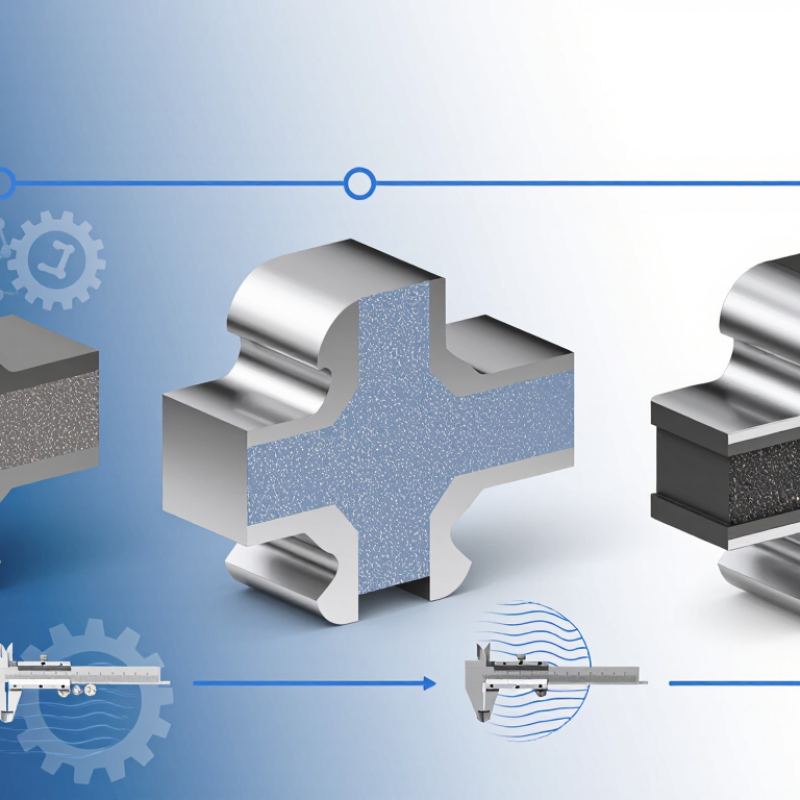
What Is a Carbide Stator? Grades, Functions, and Typical 89–93 HRA Hardness
A carbide stator is a stationary wear component used beside a rotating carbide or metal part. It helps control clearance, friction, leakage, and abrasive damage in pumps, mixers, and sealing assemblies. Tungsten carbide provides high wear resistance, while the binder affects toughness and corrosion behavior. Small details matter.
Common grades use cobalt, nickel, or blended binders. Cobalt-bonded carbide often offers strong impact resistance and suits dry or mildly corrosive service. Nickel-bonded grades can perform better in wet, chemically aggressive environments. Fine carbide grains may improve surface finish and wear resistance, but they can reduce tolerance to sudden impact. Grade selection is not simply a hardness contest.
Many carbide stators measure about 89–93 HRA, depending on composition, grain size, and processing. HRA means Rockwell A hardness. It does not directly predict service life. A buyer should also review density, transverse rupture strength, porosity, corrosion resistance, and dimensional tolerance. A polished face may look excellent, yet a small flatness error can create uneven contact. That shortcut is convenient, but incomplete. Practical inspection should include material certificates, hardness records, profile measurements, and surface-finish checks. Operating temperature, pressure, particles, and lubrication must match the selected grade. Without those details, even an accurately machined stator can fail earlier than expected.
| Carbide Stator Type | Typical Carbide Composition | Typical Hardness | Typical Density | Primary Function | Suitable Operating Conditions | Key Buyer Considerations |
|---|---|---|---|---|---|---|
| Standard WC–Co Stator | Tungsten carbide with approximately 6–15% cobalt binder | 89–93 HRA | 14.0–15.1 g/cm³ | Resists abrasive wear, sliding contact, erosion, and dimensional loss in the stator bore or working surface. | General abrasive slurries, mineral processing, drilling fluids, and wear-intensive pumping. | Balance hardness, toughness, corrosion exposure, tolerance, and the required mating rotor or sealing element. |
| Fine-Grain WC–Co Stator | Fine or ultrafine tungsten-carbide grains with a cobalt binder | 91–93 HRA | 14.2–15.0 g/cm³ | Provides a harder, smoother wear surface and helps maintain tight working clearances. | Fine abrasive particles, high-cycle service, precision flow-control components, and compact wear assemblies. | Higher hardness can reduce toughness; confirm impact load, edge geometry, and grinding capability. |
| Medium-Grain WC–Co Stator | Medium-grain tungsten carbide with a moderate cobalt content | 89–91.5 HRA | 14.0–14.8 g/cm³ | Combines wear resistance with improved resistance to chipping and mechanical shock. | Intermittent loading, moderate impact, coarse particles, and applications requiring practical toughness. | Often a practical compromise between service life, impact resistance, machining cost, and material availability. |
| High-Cobalt Toughened Stator | Tungsten carbide with approximately 15–20% cobalt binder | 86–89 HRA | 13.6–14.5 g/cm³ | Improves toughness and resistance to fracture, impact, and edge damage. | Shock loading, vibration, interrupted operation, and coarse or irregular solids. | Usually offers lower hardness and wear resistance than low-binder grades; use where fracture risk is significant. |
| Corrosion-Resistant Binder Stator | Tungsten carbide with a nickel-based or corrosion-resistant binder system | 88–92 HRA | 13.8–14.7 g/cm³ | Maintains wear resistance where corrosion of a conventional cobalt binder could shorten service life. | Chloride-bearing fluids, wet chemical service, brines, and selected acidic or alkaline environments. | Verify actual chemical compatibility, temperature, pH, galvanic conditions, and binder-specific test data. |
| Carbide-Lined Steel Stator | Carbide wear layer or inserts bonded, brazed, or interference-fitted into a steel body | 89–93 HRA | System-dependent | Combines a hard wear interface with a steel support body for structural strength and easier integration. | Heavy-duty pump, drilling, valve, seal, and rotary equipment assemblies with defined mounting interfaces. | Inspect bond integrity, thermal-expansion mismatch, concentricity, runout, and repair or replacement options. |
| Solid Carbide Stator Ring | Fully sintered tungsten-carbide component, commonly WC–Co or WC with a corrosion-resistant binder | 90–93 HRA | 13.8–15.1 g/cm³ | Provides a continuous, highly wear-resistant stator surface with no separate lining interface. | Small-to-medium precision components, high-wear sealing surfaces, and controlled-dimension rotary assemblies. | Higher material and grinding cost may be offset by long life; specify dimensional accuracy and surface finish. |
| Replaceable Carbide Stator Insert | Modular carbide segments or inserts installed in a reusable metal housing | 89–92 HRA | 13.8–15.0 g/cm³ | Allows the worn working surface to be replaced without discarding the complete stator housing. | Maintenance-sensitive equipment, remote installations, and assemblies where downtime and replacement cost matter. | Confirm insert retention, replacement procedure, sealing arrangement, and availability of matching spare parts. |